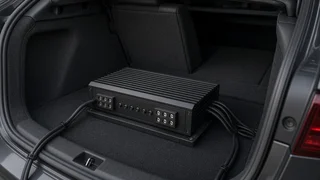
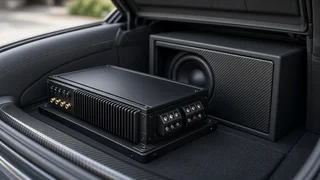
Pyle Car Audio Amplifiers

Choosing a Pyle car audio amplifier means matching the amp’s power output and input configuration to the rest of your mobile audio chain. A new amplifier is not a universal plug-in device; it depends on the head unit’s preamp signal or speaker-level connections, the impedance of each connected speaker, available mounting space, and the vehicle’s electrical supply. The goal is useful, controlled power rather than raw wattage alone. This research focus helps you evaluate whether a given Pyle model suits your sound goals, wiring setup, and practical installation constraints before you buy or begin system changes.
The direct answer
The immediate answer is that a Pyle car audio amplifier is most appropriate when you need an affordable way to increase clean output to standard full-range or subwoofer channels, provided your audio source and speaker wiring are compatible. The right choice starts with confirming the head unit can supply a low-level RCA signal or that the amplifier accepts speaker-level input. If the source signal is weak or noisy, adding an amplifier will also make that noise louder, so the head unit condition is a material factor.
Vehicle integration, signal reception, and antenna condition are separate from amplification but affect overall sound quality. An amplifier cannot correct a failing antenna or poor FM signal reception at the tuner, and a vehicle with limited mounting depth or small gauge power wiring may constrain useful output. Before selecting a model, estimate how many channels you need, whether you plan to drive full-range speakers or a subwoofer, and how much continuous current the factory electrical system can support without dimming or instability.