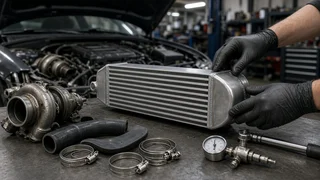
Proton Exora turbo intercooler
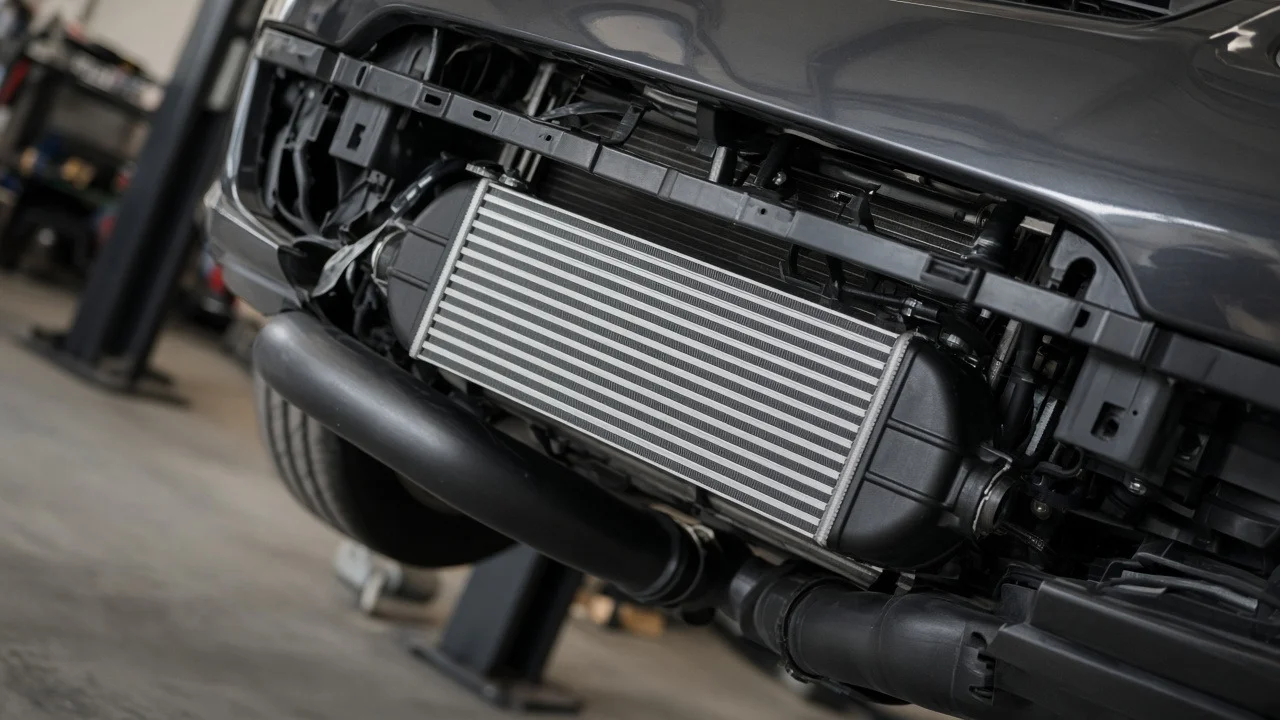
A turbocharged Proton Exora depends on effective intake-air cooling, and the intercooler sits at the center of that system. This heat exchanger lowers charge-air temperature after the compressor outlet, helping preserve air density and consistent boost pressure. Drivers researching an intercooler turbo Exora typically want to know whether an upgrade or replacement will actually improve response, reduce heat soak, or match the existing plumbing. The practical answer is that condition, fitment, and hose connection integrity matter more than size alone, especially when the original unit is aging or contaminated.
The direct answer
The direct answer is that the Proton Exora turbo intercooler is a replaceable charge-air cooler mounted in the intake path between the turbocharger and the throttle body. When it works correctly, it removes heat created during compression so the engine receives denser air. If the core is externally clogged, internally restricted by oil contamination, or leaking at a hose connection, charge-air temperature rises and pressure loss can make the vehicle feel sluggish. The part is not a universal wear item, but inspection is worthwhile when boost response or fuel economy declines.
Before choosing a replacement or upgraded core, confirm the end-tank shape, mounting points, and inlet-outlet positions match the Exora layout. A larger surface area may improve cooling at sustained load, but it can also add internal volume that slightly delays boost pressure if the turbocharger is small. For a road-driven vehicle, a stock-style core in clean condition often restores expected performance without packaging complications. Any suspected crack or oil residue should be treated as a reason for closer diagnosis, not an automatic intercooler failure.