ProPride 3P Sway Control Hitch Review
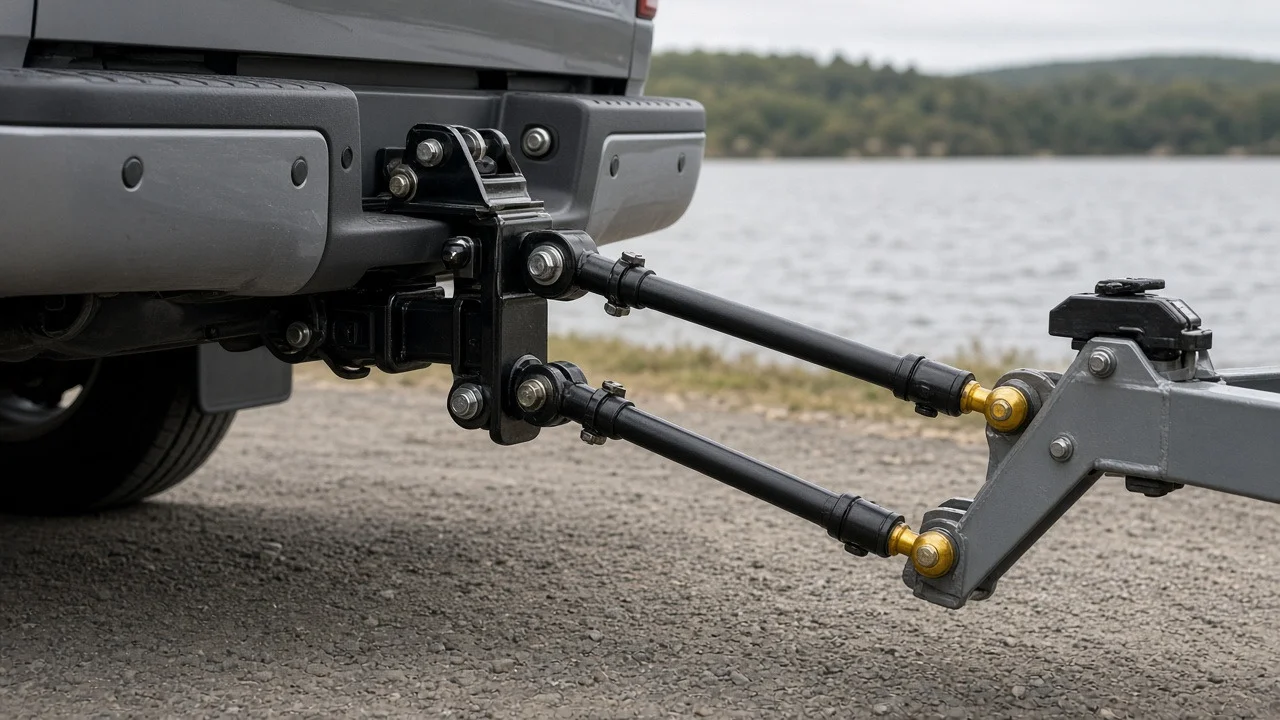
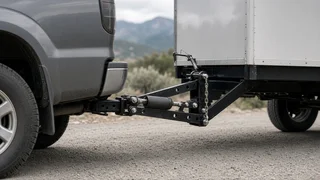
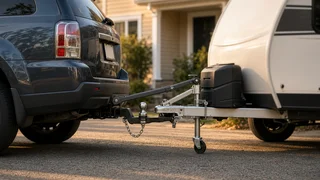
Choosing a sway control hitch means separating genuine stability gains from marketing claims, especially when a trailer begins moving under crosswinds or passing trucks. The ProPride 3P trailer sway control hitch uses a pivoting projection design rather than relying only on friction pads or spring bars. Owners researching a ProPride 3P trailer sway control hitch review typically want to understand how that mechanism affects handling, weight ratings, and everyday towing. A useful evaluation considers payload, tongue weight, and the tow vehicle configuration instead of focusing on the hitch in isolation.
The direct answer
The direct answer is that the ProPride 3P is designed to project the trailer's effective pivot point forward toward the rear axle, which reduces the sideways leverage that starts sway. In principle, this changes handling more fundamentally than a conventional weight distribution hitch with add-on friction sway control. The condition that matters most is correct setup: the hitch's benefit depends on matching spring bar tension, angle settings, and trailer loading to the specific combined weight rating and tongue weight.
Buyers should interpret this as a towing system rather than a universal cure. A trailer loaded too light on the tongue or operated above its gross vehicle weight rating can still become unstable, because weight placement and axle loading affect the trailer's yaw response. The pivoting geometry may control the trailer more continuously, but the driver still needs to keep the combination within the vehicle's axle rating and avoid a configuration that places excessive rear axle load behind the tow vehicle's suspension.