Proper Trailer Hitch Ball Height

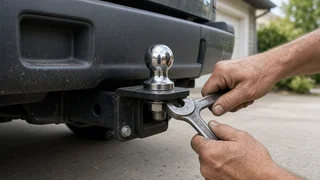
Choosing the correct trailer hitch ball height is the difference between a stable, predictable tow and a trailer that sways or loads the tongue unevenly. It is not a single number stamped on every vehicle; it depends on the tow vehicle’s loaded stance, the trailer’s coupler height when level, and the ball mount’s rise or drop. The right setup aligns the trailer frame nearly parallel to the road for balanced handling.
Essential answer
The proper height for a trailer hitch ball is the vertical distance from the ground to the top of the ball when the tow vehicle is fully loaded and the trailer is sitting level. For most light utility and boat trailers, that coupler height commonly falls in a practical working range, but there is no universal industry mandate. You measure with the vehicle on level ground, cargo and passengers in place, and the trailer parallel to the pavement.
A ball mount with a rise or drop adjusts the receiver’s fixed height to the trailer’s coupler. If the trailer tongue is lower than the receiver, use a drop mount; if it is higher, use a rise. Weight distribution and suspension sag also change the measurement, so checking after the vehicle is loaded prevents choosing a mount that works on paper but sits too high or low on the road.