Program 20M04 Power Door Lock Actuator Failure
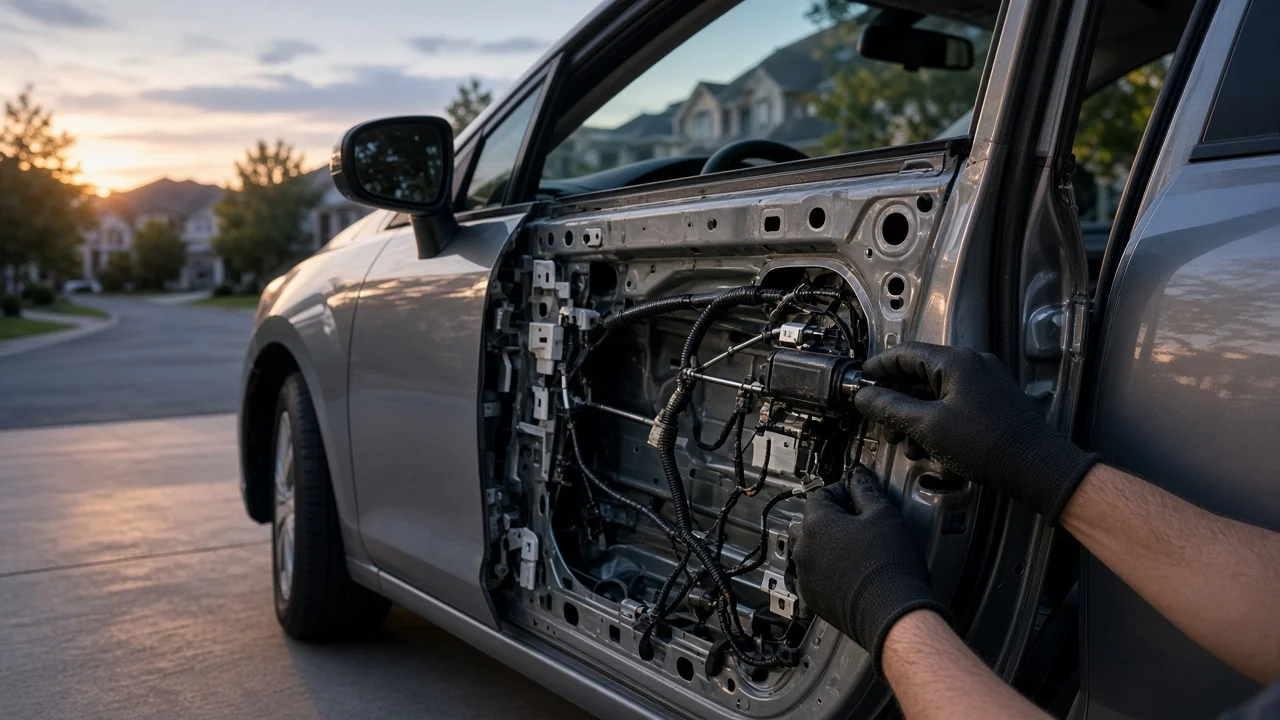
When a power door lock becomes unreliable, the issue often points beyond a simple switch or key fob. The phrase “Program 20M04 Power Door Lock Actuator Failure” suggests a specific service action rather than a universal recall, so the exact scope and vehicle fitment require careful interpretation. Understanding how a latch, hinge, actuator, wiring, and weather seal interact helps an owner separate a failed component from a related fault code or intermittent signal. The following explanation outlines what this type of program generally means and how a door lock actuator failure behaves in real vehicle use.
Essential answer
Program 20M04 is best understood as a manufacturer or service campaign identifier, not a standalone mechanical diagnosis. In automotive practice, such a program usually designates a limited coverage extension, technical service bulletin, or warranty adjustment tied to a known power door lock actuator concern. Because the evidence supplied here does not confirm the specific vehicles covered, production dates, or reimbursement terms, the essential answer is that the program refers to a recognized actuator failure pattern on certain applications. The owner should treat the code as a lead to verify eligibility through a dealer or manufacturer channel rather than as proof that a particular part has failed.
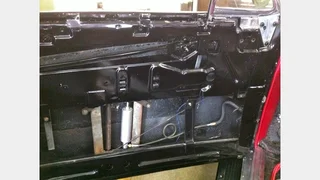
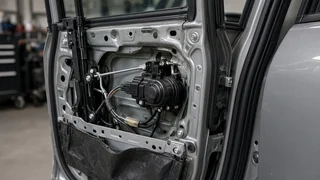
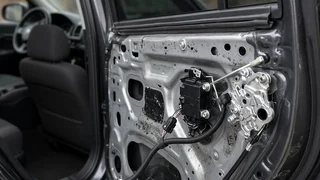
A power door lock actuator failure typically appears as a door that does not lock or unlock with the switch, remote, or key cylinder, often accompanied by a weak motor sound or no movement at all. The actuator is an electric or vacuum-operated device mounted near the latch, and its job is to move the lock linkage while the door’s hinge and alignment preserve the correct path for that motion. If the lock still tries to operate but produces a grinding or rapid clicking sound, the internal gear or motor may be binding. If there is no sound, the fault could be wiring, a connector, or the actuator coil itself. The program designation helps determine whether the repair falls under covered assistance, while the observed symptom helps a technician rule out a bent rod, a misaligned door, or a swollen weather seal that adds mechanical resistance.