Porsche 996 Turbo Wheel Offset

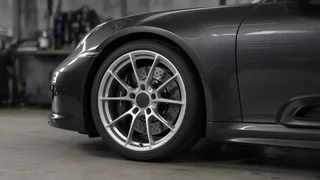
Wheel offset on a Porsche 996 Turbo determines where the tire sits inside the fender and how suspension loads travel through the hub. Because the turbocharged model uses wider rear bodywork, larger contact patches, and higher boost pressure than narrow-body 996s, the offset values matter for both clearance and steering response. Choosing an incorrect dimension can cause rubbing, altered track width, or increased stress on wheel bearings. Understanding how offset is measured and why the Turbo differs helps owners evaluate replacement wheels and fitment changes without guessing.
Essential answer
The Porsche 996 Turbo uses wheel offsets that position each rim farther inward relative to its mounting face than many other 996 models. Offset is the distance in millimeters between the wheel's centerline and the hub mounting surface. A lower positive number pushes the wheel outward, while a higher positive number tucks it inward. The 996 Turbo's standard offsets accommodate wide tires and the model's specific suspension geometry, but exact factory numbers can vary by wheel width and market specification.
Understanding offset requires considering the complete wheel package. Width, diameter, tire section, and suspension changes all interact with offset. A wheel that clears a stock 996 Turbo may contact the fender or suspension after the car is lowered or fitted with different control arms. When evaluating fitment, compare the entire proposed setup against the vehicle's existing clearances. Offset is not a standalone measurement; it works with backspacing and track width to define how the contact patch relates to steering axis and bodywork.