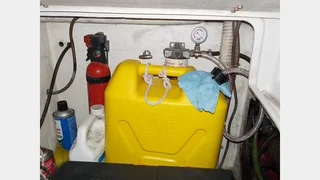
Porsche 928 in-tank fuel pump
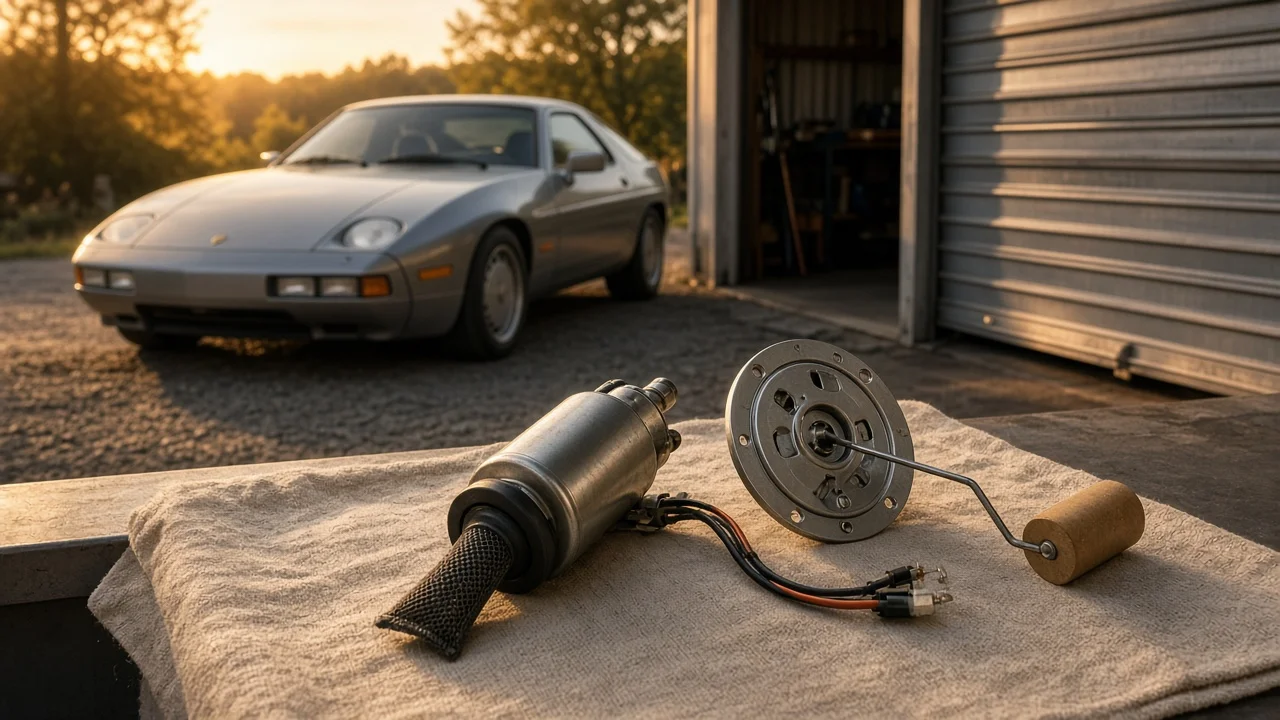
A weak or failing in-tank fuel pump changes more than just cold starting on a Porsche 928 — it can create heat soak stumbles, noisy operation, and fuel pressure loss under load. Because this pump sits inside the fuel tank and supplies the high-pressure system, diagnosis should focus on measured delivery rather than guesswork. United States owners typically evaluate replacement pumps, strainer condition, hose connections, and electrical supply together. The right next step depends on whether the current symptom points to the pump assembly, the fuel filter, or the wiring before the tank.
The direct answer
The immediate answer is to treat the Porsche 928 in-tank fuel pump as a high-pressure fuel delivery component that must be checked as part of a complete fuel supply path. The pump is not simply an accessory; it moves fuel from the tank through the filter to the injectors while maintaining the pressure the engine management system expects. When delivery falls short, the engine may idle acceptably but hesitate under acceleration or during hot restarts when vapor pressure and residual heat raise fuel demands.
A replacement decision should be conditional on confirming that the pump itself is the restriction. The same symptoms can appear with a clogged fuel filter, a collapsing pickup hose, a failing check valve elsewhere in the system, or voltage drop caused by corroded terminals. A pump that runs but cannot sustain fuel pressure under load still fails the functional test. For this reason, a new Porsche 928 in-tank fuel pump should be selected only after ruling out these easier and lower-cost causes, especially when the existing pump has unknown age or repair history.