Polaris RZR Turbo S Wheel Offset
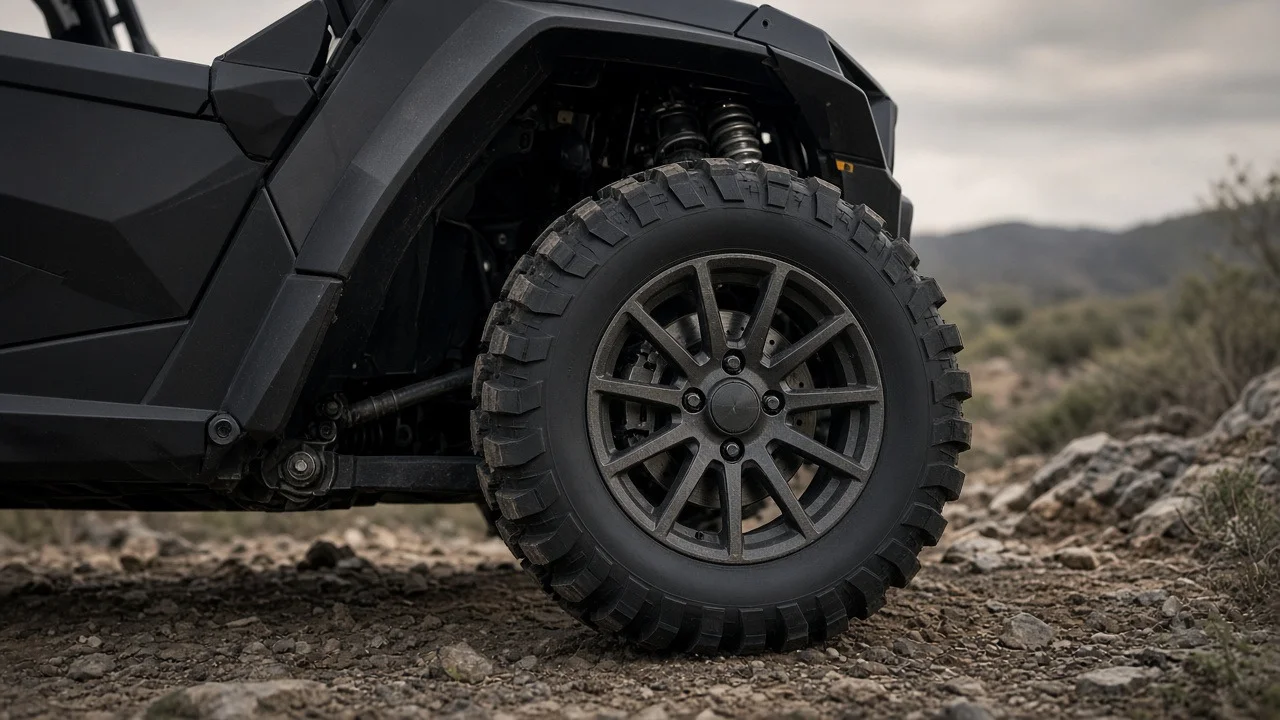
Wheel offset on the 2021 Polaris RZR Turbo S shapes how the tire sits relative to the suspension and body. Offset describes the distance between the wheel's mounting face and its centerline, influencing scrub radius, steering feel, clearance, and suspension leverage. A change moves the contact patch outward or inward, which can alter tracking through ruts while also increasing load on hubs and ball joints. Understanding this measurement helps owners choose wheels that preserve the machine's high-speed stability and long-travel suspension behavior without guessing at fitment.
Essential answer
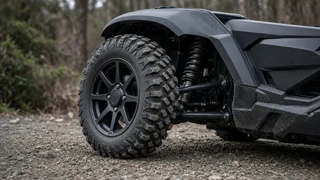
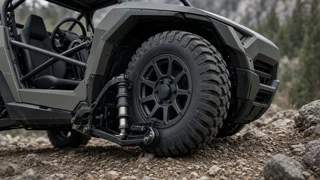
For the 2021 RZR Turbo S, wheel offset defines whether the tire sits farther outboard, closer to the fender, or tucked inward. Positive offset places the mounting surface toward the wheel's outer face, while negative offset pushes the rim and tire outward. The Turbo S uses a wider suspension package than many earlier RZR models, so the factory offset is part of that stance. An aftermarket wheel with more negative offset increases track width, which can improve cornering stability but also changes steering effort and may require fender clearance checks.
Choosing a different offset is not only a style decision. It changes the steering axis relationship to the tire contact patch, which affects how bumps feed through the steering wheel. A wheel pushed farther outward increases the leverage on suspension components, potentially raising wear on wheel bearings and tie rod ends during aggressive trail use. Conversely, a wheel tucked too far inward may contact suspension arms or reduce clearance for the brake caliper. Because the Turbo S produces substantial boost pressure and is driven hard, maintaining a sensible offset near the factory spec preserves predictable handling and reduces unintended stress on the driveline.