P1222 Code: Meaning, Symptoms, Causes, and Fixes
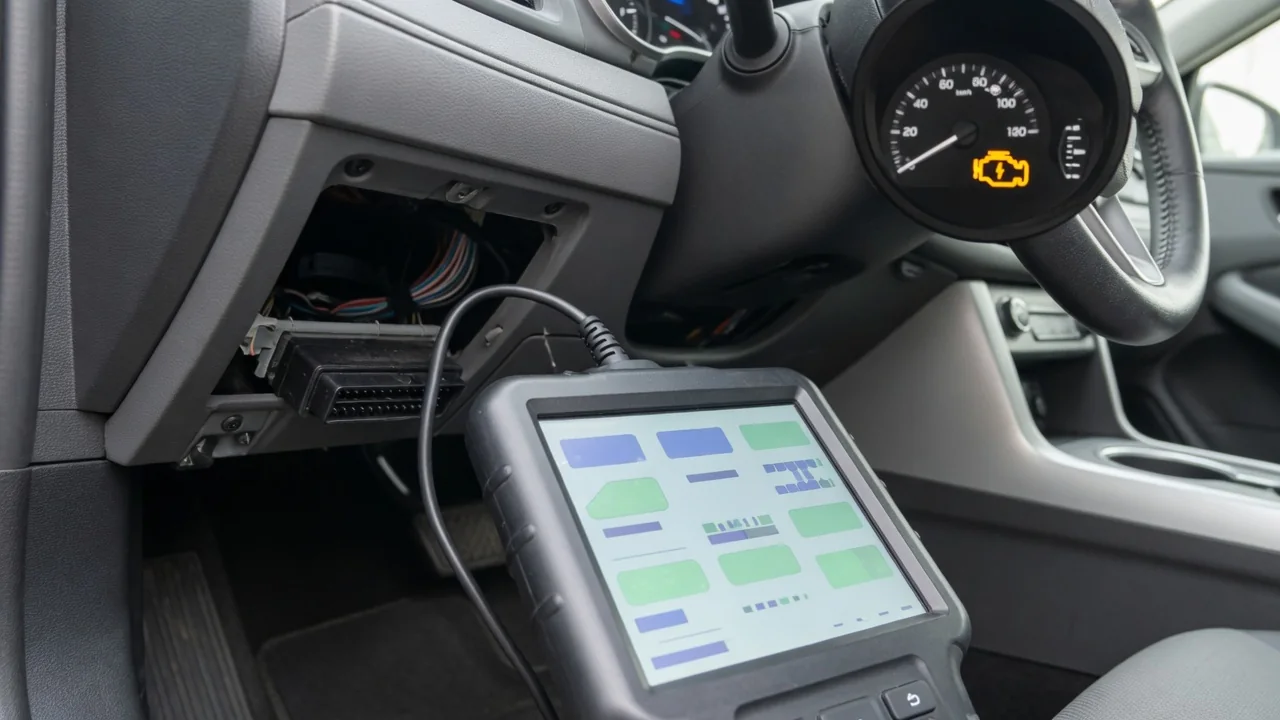
A stored P1222 code can be confusing because it does not mean the same thing on every car. This is a manufacturer-specific trouble code, so the definition depends on your vehicle’s make, model, year, and engine. The check engine light may come on for different reasons depending on which monitored circuit or condition the engine control module flags. To begin, you need to confirm what P1222 represents on your specific vehicle using factory service information or a scan tool with manufacturer definitions. From there, you can interpret symptoms, narrow down causes, and choose a safe repair path.
What P1222 Means and Why the Definition Depends on the Manufacturer
P1222 belongs to the P1xxx range, which automakers can assign to their own systems. Unlike generic P0xxx codes that follow a common standard, P1xxx definitions vary by manufacturer and even by engine or model year. On one vehicle, P1222 might describe a throttle position sensor circuit issue, while on another it could point to a fuel pump control fault or a crankshaft position sensor error. Because there is no single universal meaning, reading a generic online definition and applying it to your car can send you down the wrong path.
The exact diagnostic trouble code definition is the only reliable starting point. Check your owner’s manual, a subscription service, or a professional-grade scan tool that lists manufacturer-specific codes for your exact vehicle. Confirm the code’s description, the conditions that set it, and any related codes or freeze frame data. Remember that the scan tool’s wording describes a monitored circuit or condition—not a specific failed part. Even the official definition tells you which system to inspect, not which component to replace.
Symptoms Drivers May Notice With a Stored P1222
Depending on the system involved, a P1222 may produce a range of symptoms. The check engine light is the most common, but you might also notice reduced power, rough idling, hesitation during acceleration, or stalling. Some vehicles enter a limp mode that limits speed and throttle response to protect the engine or transmission. If the code relates to brake or stability systems, additional warning lights such as ABS or traction control may illuminate. These clues help a technician understand the fault’s impact.
Other vehicles may store P1222 with no obvious drivability change at all. The code might be set during a specific operating condition and remain pending until a drive cycle confirms it. If you do notice symptoms, write down when they occur: cold start, warm idle, hard acceleration, or wet weather. That detail reduces diagnostic time and helps the technician recreate the fault. Immediate professional attention is needed if the check engine light flashes, the vehicle enters limp mode, or multiple safety-system warnings appear.
Possible Causes Behind P1222 Across Different Vehicles
The root causes of P1222 fall into a few broad categories. Wiring and connector problems are common: corrosion, loose pins, chafed insulation, or rodent damage can disrupt the signal between a sensor and the engine control module. Sensor or actuator circuit faults include open or shorted wiring, high resistance, or a component that fails internally. Module or software issues may require a reflash or update. Low or unstable system voltage from a weak battery or failing alternator can also cause misleading electronic codes.
The category that applies to your P1222 depends on the manufacturer-specific definition you confirmed earlier. Do not assume one cause is more likely than another without testing. If other codes are stored, they may point to a shared root cause such as a power or ground problem affecting multiple circuits. A thorough inspection of the wiring harness and connectors, along with data from the freeze frame, will guide the diagnosis toward the correct category rather than a guess at a single part.
Safe Checks You Can Do Before Visiting a Shop
Before clearing the code or visiting a shop, record all stored and pending codes along with freeze frame data. This snapshot captures engine rpm, coolant temperature, and other conditions when the fault occurred. Use a basic OBD-II scanner or a code reader to retrieve this information, but do not clear the memory until you have written it down or saved it. Clearing codes erases freeze frame data and resets readiness monitors, making professional diagnosis harder.
Visually inspect easy-to-reach areas without disassembling components. Look for damaged wiring, loose connectors, or signs of rodent damage around the engine bay. Check the battery terminals for corrosion and ensure the connections are tight; low or unstable voltage can create false codes in many sensors. Understand the limits: a basic code reader cannot confirm which component failed. Clearing the code without performing a repair only hides the issue and may reset valuable diagnostic information needed to find the root cause.
How a Technician Diagnoses P1222
A technician starts by confirming the manufacturer-specific definition for your exact vehicle, then reviews freeze frame data and live data from the scan tool. They compare the actual sensor values or circuit status with the factory specifications under the conditions that set the code. Following the manufacturer’s diagnostic procedure, they may perform circuit tests on the wiring harness and connectors, check for technical service bulletins that describe known issues, and verify whether the engine control module software is up to date.
Professional testing is essential for systems like electronic throttle, braking, stability, or high-voltage components. These systems can involve complex calibration, safety interlocks, and special tools. A scan tool that reads basic codes cannot safely test them. Before approving any parts replacement, ask the shop what test confirmed the fault. A credible diagnosis will explain the measured fault and how it relates to the P1222 definition—not simply say the code points to that part.
Repair Approach and What to Expect After the Fix
The repair should follow the confirmed root cause, not the code number alone. If testing shows a wiring problem, the fix may be a connector repair or wiring harness replacement. A faulty sensor or actuator is replaced only after its circuit tests prove it has failed. A software issue requires reprogramming or an update from the manufacturer. Replacing parts based only on the code is often wasteful, since the actual cause may be a wiring fault or a voltage problem that remains after the new part is installed.
After the repair, the technician clears the code, completes the required drive cycle, and confirms the code does not return. A drive cycle follows a specific pattern of driving conditions to run the readiness monitors and verify the fault is gone. The cost and time vary widely by vehicle, system, and the difficulty of diagnosis. There is no universal price for a P1222 repair; the bill depends on whether the fix is a simple connector, a complex module, or hours of circuit tracing.
Is It Safe to Drive With a P1222 Code?
Driving safety with P1222 depends on the confirmed definition and the symptoms present, not on the code number alone. If the vehicle shows reduced power, stalling, hesitation, or warning lights for brakes, stability, or steering, limit driving and get a prompt diagnosis. In mild cases with no drivability change, you may be able to drive cautiously to a shop, but the risk is unknown until the code is defined. A scan tool that shows a generic definition offers no safety information by itself.
Ignoring the code can hide new faults because the check engine light is already on. A second, more serious problem may develop without a new warning light to alert you. Before an emissions inspection or a long trip, have the code diagnosed and repaired. Clearing the code without a fix will not pass the inspection and may leave you stranded if the underlying fault worsens. Treat P1222 as a sign that a monitored circuit is out of specification, and address it before it becomes a bigger issue.