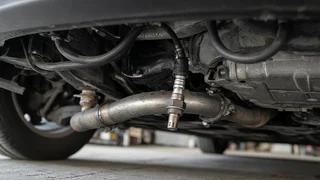
Oxygen sensor readiness monitor
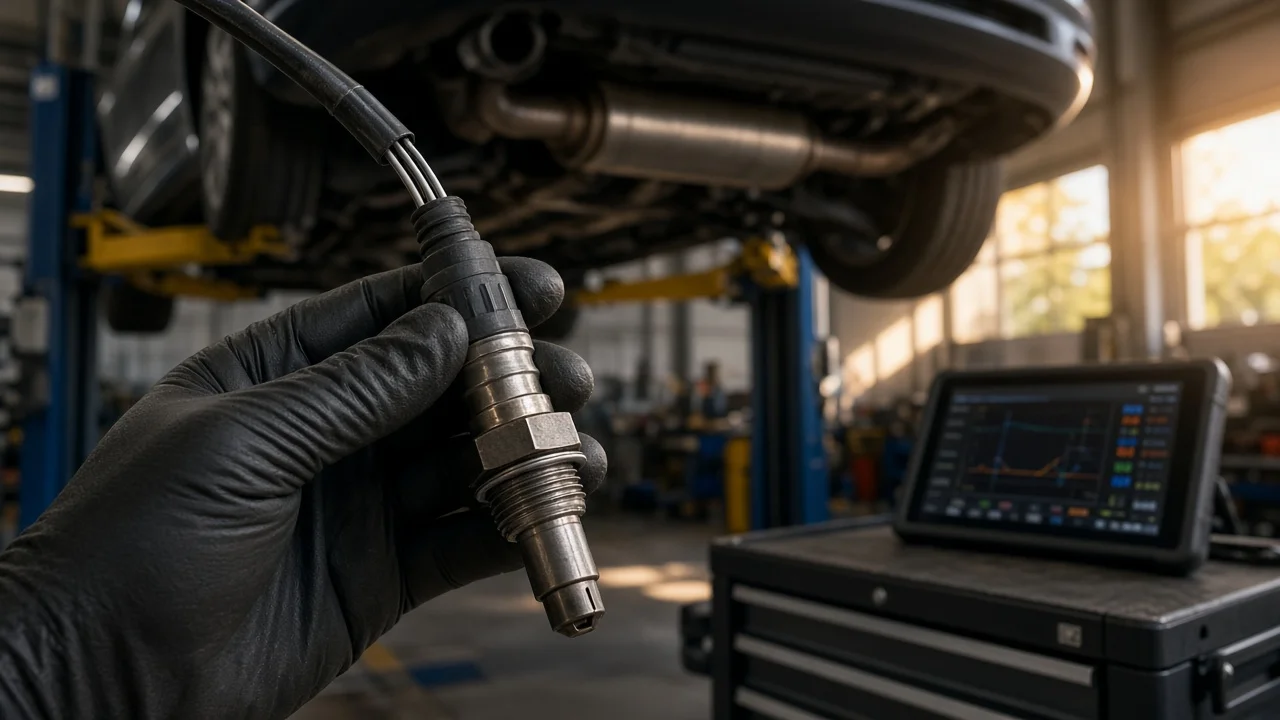
An oxygen sensor readiness monitor is the self-test strategy a vehicle's powertrain control module uses to confirm that the oxygen sensors are responding quickly and accurately enough for emissions control. The monitor checks sensor activity while the engine runs through specific speed, load, temperature, and deceleration conditions. Until the monitor completes, the onboard diagnostic system cannot report a pass or fail for the sensor circuit. For an oxygen sensor monitor car owners may notice this as an incomplete readiness flag after clearing codes or replacing a battery.
Essential answer
An oxygen sensor monitor is an OBD-II readiness test rather than a physical gauge or routine maintenance item. The powertrain control module watches the upstream and downstream sensors during closed-loop operation, looking for voltage transitions and response times that show the sensor is tracking the air-fuel mixture and remaining active after the catalytic converter. It does not prove a sensor is like new, but it establishes whether the circuit can support the vehicle's emissions compliance strategy under normal driving.
Readiness is often triggered after the battery is disconnected, diagnostic codes are erased, or the vehicle has not completed a drive cycle. The monitor may remain incomplete until the engine reaches operating temperature, holds a stable cruise, and then enters a deceleration fuel cut. Maintenance-related conditions also matter: an exhaust leak near the mounting boss can admit outside air and interfere with the sensor's reading, while a cold or weak sensor can fail to switch quickly. Until the monitor completes, the system cannot give a clean readiness result.