Outdoor car storage in Colorado Springs
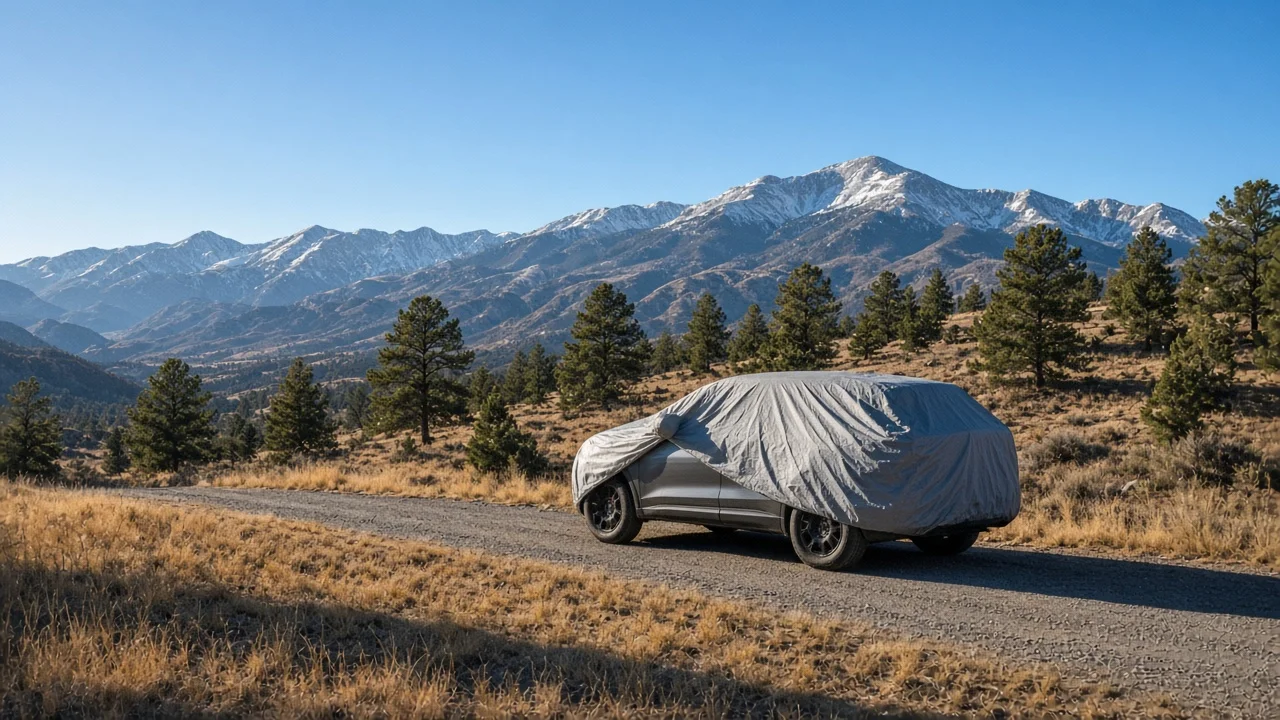
Choosing outdoor car storage in Colorado Springs means planning for high-altitude sun, snow, wind, and temperature swings rather than simply renting a parking space. Outdoor storage keeps a vehicle accessible but exposes it to intense UV radiation and grit, so the real decision often involves surface condition, drainage, security, and how the car will be prepared. A practical choice weighs convenience against weather exposure and maintenance needs. Because no single facility fits every vehicle, comparing storage conditions before committing helps protect paint, tires, battery life, and interior materials while keeping the vehicle ready for mountain driving.
The direct answer
Outdoor car storage in Colorado Springs is best matched to vehicles that need short- to medium-term parking with easy access, provided the facility has firm, well-drained paving and reasonable protection from blowing debris. The main condition that changes suitability is exposure: an open pad on the eastern plains or near Fountain will collect more dust and solar heat than a partially shaded lot along the Front Range tree line. If the car will sit for weeks, a breathable protective cover and basic preparation matter more than the difference between one gravel row and another.
Evaluate the surface before paying. Paved or compacted gravel storage should direct snowmelt away from the tires and underbody, because standing water increases corrosion risk and can soften ground under a parked vehicle. Security lighting, controlled access, and visible perimeter boundaries are practical markers of a facility that reduces tampering and door dings. For exposed storage, plan for sun damage to trim, battery drain from temperature cycles, and slow tire pressure loss. A well-drained outdoor space with realistic expectations is an acceptable compromise when indoor space is unavailable or unnecessary.