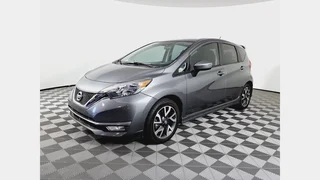
Nissan Versa compact car
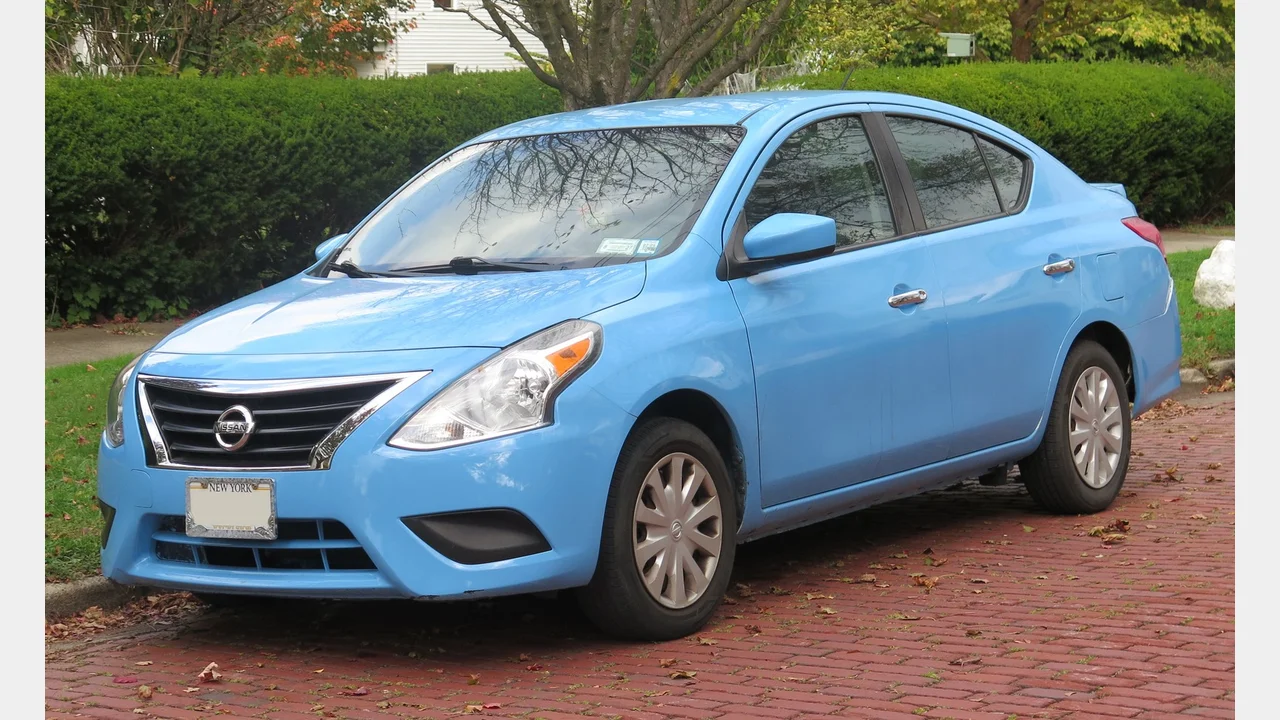
The Nissan Versa occupies a distinct place in the American market as an attainable small sedan, yet shoppers often ask whether it truly qualifies as a compact car. In practical terms, its footprint, seating layout, and market positioning sit at the boundary between the subcompact and compact vehicle classes. Understanding where the Versa fits requires looking at body configuration, powertrain layout, and how automakers define market segments. The answer affects interior room expectations, maneuverability, and how the model compares with larger compact sedans on real-world roads.
Essential answer
The Nissan Versa is generally classified as a subcompact car in the current North American lineup, even though its interior volume and trunk space can rival older compact sedans. Vehicle class labels are not fixed engineering categories; they reflect how a manufacturer positions a model within a market segment. The Versa uses a front-engine, front-wheel-drive layout with a conventional trunk, which makes it a traditional small sedan in body configuration. Buyers cross-shopping it against compact alternatives often notice that exterior dimensions are smaller, but the seating layout uses space efficiently.
Because classification depends partly on passenger and cargo volume formulas, a model generation can shift perception without a complete redesign. The current Versa has grown over earlier iterations, and some automotive data providers group it near the compact boundary based on interior measurements. Still, Nissan markets it below the Sentra, the brand's established compact car. For practical ownership, this means the Versa delivers similar daily usability to a compact sedan in a slightly narrower, lighter package that is easier to park and typically more efficient in urban driving.