Nissan Titan, Frontier, Rogue and Infiniti G37 Differential Fluid: Type, Capacity and Change
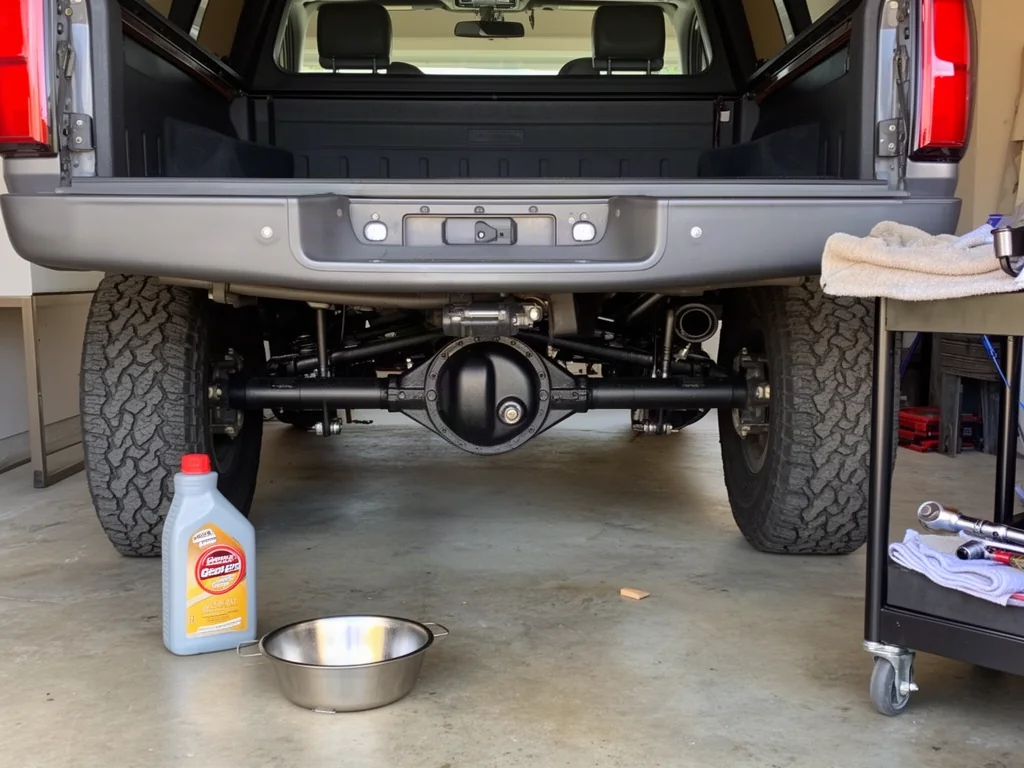
Choosing the right differential fluid for a Nissan Titan, Frontier, Rogue or Infiniti G37 requires more than picking a bottle off the shelf. Gear oil viscosity, API ratings, limited-slip additives and fill levels all vary by model year, drivetrain and axle type. This guide explains how to confirm the correct specification for each vehicle, what the fluid labels mean and when a change is worth doing.
How Nissan Differential Fluid Requirements Depend on Model, Drivetrain and Axle
No single Nissan differential fluid type or capacity covers every model. A 2WD Frontier rear axle, a 4WD Titan front differential and an AWD Rogue rear final drive all have different requirements, and these can change between generations. Always start with the owner's manual, the factory service information for the VIN, or a Nissan or Infiniti dealer parts department. Using an internet forum figure without checking the specific vehicle can lead to the wrong viscosity or a missing limited-slip additive.
The gear oil label carries two key pieces of information: the viscosity grade, such as 75W-90 or 80W-90, and the API service category, usually GL-5 for hypoid gears. Some limited-slip or electronic locking differentials also need a friction modifier that may or may not be pre-blended into the oil. Differential fluid is not the same as transmission, CVT or transfer case fluid; each component uses a lubricant designed for its own gearset and clutch demands. Severe service such as towing or off-road use may shorten the change interval listed in the maintenance schedule.
Nissan Titan Rear Differential Fluid: Type, Capacity and When to Change It
Titan rear axle specifications are not identical across all model years and cab configurations. A first-generation 2004 Nissan Titan rear differential fluid type may differ from a later truck, and the fill quantity can vary with the axle installed. Rather than relying on newer-model data, owners should check the original manual or dealer records for their specific VIN. For an axle with a removable cover, the old fluid is drained, the cover is cleaned and reinstalled with fresh sealant or a gasket before refilling.
The standard fill method is to add gear oil through the fill plug until it just reaches the bottom edge of the hole with the truck sitting level. A listed capacity is only a guide because some old fluid remains in the housing after draining. Consider a change after heavy towing, a water crossing that may have submerged the axle, a high-mileage purchase with no service records, or new noise from the rear end. Shop service cost depends on fluid quantity and grade, any friction modifier, gasket or sealant, and local labor rates.
Nissan Titan Front Differential Fluid on 4WD Trucks
Only 4WD Titans have a front differential, and its fluid specification and capacity are listed separately from the rear axle. The front unit is smaller and often uses a different fill quantity, so never assume it matches the rear. Check the service information for the exact 4WD model year. On a part-time 4WD system, the front differential may see far less use than the rear, but the fluid still ages and can absorb moisture from temperature changes, so it belongs in the long-term service plan.
Front differential service is often performed together with the rear axle and transfer case on 4WD trucks, but each unit takes its own fluid. Do not pour transfer case fluid into the differential or vice versa. Watch for seepage around the front axle seals or fill plug, milky fluid after water exposure, or new noises that appear only when 4WD is engaged. These signs call for a professional inspection, because the cause may be a seal, bearing or gear wear rather than simply old fluid.
Nissan Frontier Rear Differential Fluid Type and Capacity
Frontier rear axle specifications can change between model years and axle options. Trucks with an electronic locking rear differential may require a specific fluid and possibly a friction modifier that open axles do not. For a 2019 Nissan Frontier rear differential fluid, go to that model year's owner's manual or a dealer parts lookup by VIN. General forum figures may be close, but a locked axle or a different gear ratio can change the requirement enough to matter over time.
When reading a gear oil label, match the viscosity grade and API category to the manual. Some synthetics and conventional oils meet the same GL-5 rating but have different additive packages; the manual usually states the preferred grade such as 75W-90 or 80W-90. The listed capacity is approximate. The reliable confirmation is to fill until the fluid reaches the bottom of the fill plug hole with the vehicle level. That method accounts for fluid left in the housing and any aftermarket cover or skid plate.
Changing Frontier Differential Fluid: Process Overview, Warning Signs and Cost Factors
A Frontier differential fluid change starts with the truck level and safely supported on jack stands. Before draining, loosen the fill plug to confirm it will come out and to allow air into the housing. Drain the old fluid into a pan, inspect it, then replace the drain plug and refill through the fill hole until the fluid just reaches the bottom edge. The exact steps depend on whether the axle has a removable cover or only a drain and fill plug, but both require the same level check.
What the old fluid shows is limited. A fine metallic paste on a magnetic drain plug is often normal wear, especially at the first change. Chunks of metal, a strong burnt smell, or milky fluid after water intrusion call for professional diagnosis before simply refilling. Whining, howling or clunking from the rear axle can be caused by bearings, gear wear, low fluid or a failing limited-slip unit, so noise alone does not prove the fluid is the problem. A DIY job requires proper lifting equipment and safe disposal of used gear oil; if plugs are seized or tools are lacking, a shop is the sensible choice. Shop cost depends on the number of axles serviced, the fluid grade, any additives, gaskets and local labor.
Nissan Rogue AWD Rear Differential Fluid and Service
Only all-wheel-drive Rogue models have a rear differential, often called a rear final drive. Front-wheel-drive Rogues have no rear unit to service. The AWD system may also include a transfer unit at the front, and that component takes its own fluid and has its own service interval. Because AWD components have changed across Rogue generations, owners should confirm the rear differential fluid specification and fill level by model year and VIN rather than assuming a newer or older Rogue uses the same product.
Symptoms that justify a professional check include noise from the rear when turning or accelerating, visible leaks at the differential seals, or an AWD warning message on the dash. These can be caused by low or contaminated fluid, but they may also point to a failing coupling, sensor or electronic control issue. A dealer or shop change cost depends on the fluid type, whether other AWD fluids are serviced at the same visit, and local labor rates. Following the maintenance schedule for severe service, such as frequent towing or gravel roads, may call for earlier fluid changes.
Infiniti G37 and Q50 Rear Differential Fluid Basics
G37 and Q50 rear differential fluid needs depend on whether the car is rear-wheel drive or AWD and whether it has a limited-slip differential. A limited-slip unit may require a friction modifier, while an open differential does not. The Infiniti owner's manual or a dealer VIN lookup is the best way to confirm the correct fluid grade, any additive requirement and the fill level. Using the wrong fluid can cause chatter, poor limited-slip behavior, or accelerated wear in the hypoid gearset.
Owners who drive hard or spend time on track may choose to check fluid condition more often than the standard interval. Look at the severe-service guidance in the maintenance schedule rather than adopting a fixed number from a forum. Signs that call for professional inspection include chatter in tight turns on limited-slip cars, a whine at constant highway speed, or seepage at the axle seals. Those symptoms can come from low fluid, worn clutch plates, bearing issues or seal failure, so the fluid change alone may not cure them.