Nissan small cars
A Nissan small car offers a practical way to handle tight city streets while keeping everyday running costs manageable. When you shop this market segment, the useful choice often comes down to body configuration, powertrain options, and the equipment level that matches how you actually drive. Buyers comparing a Nissan little car with other compact models usually want a clear view of what the lineup includes and which characteristics make these vehicles easy to live with. Regional availability and model year changes can shift the answer, so the scope of the current US range matters.
Essential answer
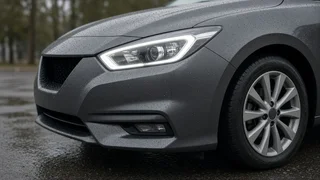
Nissan small cars are the brand’s compact and subcompact passenger models designed around maneuverability, efficiency, and urban usability. A Nissan small car typically favors a tidy footprint, upright seating, and a body configuration that prioritizes passenger access over excessive length. Depending on the model year, the US catalog has included hatchback and sedan shapes, allowing a buyer to balance cargo flexibility against a traditional trunk. These vehicles sit below midsize sedans and crossovers in the lineup, which changes how they feel in parking garages and narrow lanes.
When you look at a Nissan little car, you are generally comparing an entry-level or compact choice rather than a performance model. The market segment influences suspension tuning, engine choices, and cabin materials, so the experience leans toward predictable commuting and low-effort operation. Powertrain options in this class usually favor modest output and fuel economy over outright acceleration. Equipment level matters here because base trims keep pricing accessible, while higher trims add conveniences such as upgraded infotainment or driver aids. Regional availability can vary, so a specific body style or trim shown nationally may not be stocked at every local dealer.