Nissan S13 windshield molding

A cracked, shrunken, or missing windshield molding on a Nissan S13 does more than age the car visually. That perimeter trim channels water away from the glass aperture and changes how the glazing sits in its opening, especially on a chassis where available replacements vary between coupe, hatchback, and Silvia variants. Owners researching the s13 windshield molding often find that the trim is part of the weatherseal system, not merely decorative. Understanding its function helps you judge seal condition, spot water ingress risk, and avoid replacing the wrong style.
Essential answer
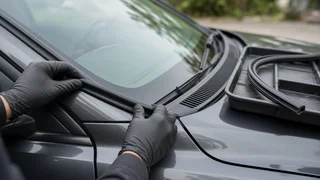
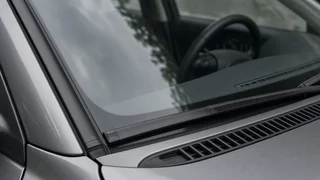
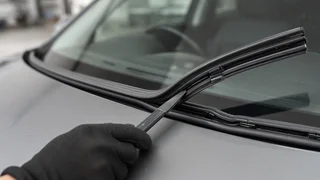
The windshield molding on an S13 is the formed strip that covers the gap between the outer glass edge and the steel windshield frame. On many examples the factory glass was installed with a surrounding rubber gasket, while later replacement glass may use adhesive bond-in glazing with a separate cosmetic or sealing trim. This difference matters because a molding that looks correct may still not suit the glass fitment method used on your car. Checking whether the edge is a lock-strip in a gasket or a bonded cover helps you identify the correct service part before disturbing the seal.
A degraded molding typically appears as hardened rubber, cracked corners, lifted edges, or gaps that expose the metal flange and retain moisture. Because the S13 uses a tilted glass with a sharp lower cowl profile, water can sit against the lower trim long enough to cause wiper contact problems or accelerate corrosion under the panel. If the molding no longer sits flush, the seal condition should be inspected, but a poor-fitting trim does not by itself prove the windshield is leaking. Matching the trim to the original vehicle specification and glazing style is the practical starting point.