Nissan Rogue CVT Problems by Year: Symptoms, Recalls and Coverage
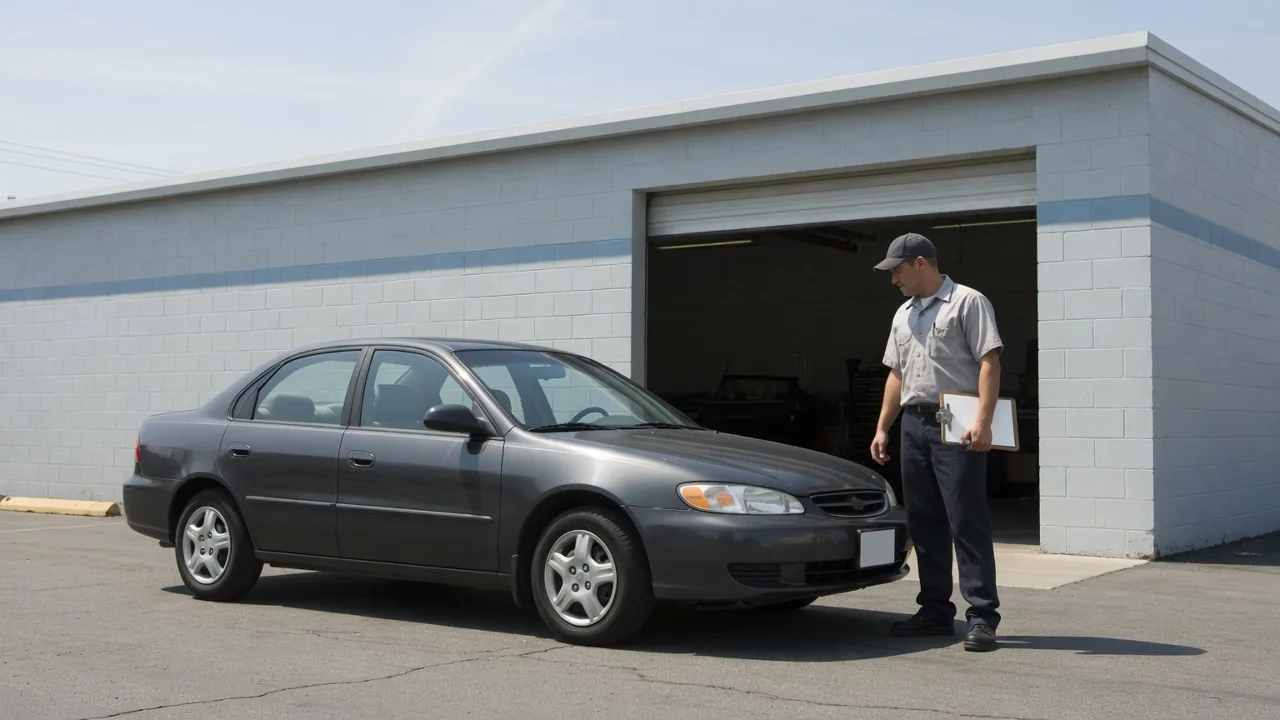
US-market Nissan Rogue models from 2008 onward use a continuously variable transmission rather than a conventional stepped automatic. That includes current production, so the 2026 Nissan Rogue also has a CVT. Year-by-year issue searches, recalls, and coverage questions are common, but a model year is not a diagnosis. Identify the exact vehicle, then weigh symptoms, service records, and inspection results before buying, keeping, or repairing it.
Does the Nissan Rogue Have a CVT?
Yes. From the 2008 US launch through later generations, including 2026, the Rogue uses a CVT transmission. A continuously variable transmission changes its operating ratio smoothly instead of shifting through fixed gears, so engine speed can stay relatively steady while road speed rises. Confirm the vehicle by model year, VIN, and the exact designation on the door label and title. Rogue, Rogue Select, and Rogue Sport paperwork is not interchangeable.
Having a Nissan Rogue transmission CVT does not mean that vehicle has a fault. Questions about whether the Nissan Rogue has a CVT, or whether a Nissan Rogue has a CVT transmission, are configuration checks, not diagnoses. The layout only describes how the driveline changes ratio. Health depends on behavior, inspection findings, stored codes, and service history, not on the fact that a CVT is fitted.
2008–2011 Rogue CVT Concerns and Service History
The 2008 Nissan Rogue CVT transmission launched with the first US Rogue and is now typically high in age and mileage. Judge a 2009 Nissan Rogue CVT transmission the same way: by records, not the door-jamb year. The 2010 Nissan Rogue CVT transmission and 2011 Nissan Rogue CVT transmission share that first-generation window, which does not prove identical internals, software, or coverage. Age, mileage, fluid-service notes, and prior transmission work outweigh treating these years as one problem class.
Useful invoices show the original complaint, the recorded diagnosis, the work performed, and whether the concern returned. Fluid service, software updates, cooler repairs, and complete unit replacements are not equivalent later. Owner complaints and search demand around early Rogue CVT issues cannot establish failure rates or a defensible worst-year ranking. Two 2010 vehicles with different mileage and maintenance can behave nothing alike, so assess the individual car.
2012–2013 Rogue CVT Questions and Problem Reports
A 2012 Nissan Rogue CVT transmission and a 2013 Nissan Rogue CVT transmission sit near the end of the first-generation run, which is why problem reports cluster there. Verified public information still does not quantify how often those years develop CVT trouble. Reports may mention shudder, hesitation, unusual noise, or reduced acceleration, but those descriptions are not failure rates. Treat a 2012 or 2013 complaint as an individual case until inspection findings on that VIN support a diagnosis.
If a prior transmission replacement is on file, request the diagnosis that justified it, the identity of the installed unit, and the remaining repair warranty. Assuming the new unit will last, or that the old complaint will return, is guesswork. For a recurring 2012 or 2013 concern, a technician needs the VIN, mileage, model designation, original complaint wording, any stored diagnostic trouble codes, and invoices showing prior attempts. Without those records, a second shop repeats the first visit.
2014–2017 Rogue CVT Questions and Later Model Years
The 2014 Nissan Rogue CVT transmission belongs to the second-generation body and should not be treated as 2013 hardware without proof. A 2015 Nissan Rogue CVT transmission and a 2016 Nissan Rogue CVT transmission share that later platform window, yet model-year boundaries still do not establish shared internals, repair procedures, or coverage eligibility. Software, coolers, and control modules can differ even when the badge looks similar. Confirm those details on the VIN and parts invoice.
2017 Nissan Rogue CVT transmission questions, including reported 2017 problems, deserve dedicated attention because that year is heavily searched, not because a published failure rate has been established. Keep symptoms such as shudder or delayed engagement separate from a confirmed diagnosis. For 2018 onward, including 2026, keep guidance tied to the exact vehicle and its records. Do not extend earlier Nissan Rogue CVT transmission issues to later models unless that VIN's documentation supports the same concern.
CVT Symptoms, Safe Observations and Professional Diagnosis
Drivers may notice transmission shudder or shaking under acceleration, delayed engagement into Drive or Reverse, or a loss of acceleration while engine speed climbs. Unusual sounds, a transmission warning light, or a display message also belong on the complaint. During ordinary use, record temperature, speed, driving duration, and whether the concern appears cold or warm. Do not try to reproduce a fault, and do not keep driving in a way that chases the symptom.
Engine, mount, tire, and driveline faults can produce overlapping sensations, so symptoms alone do not establish CVT failure. Professional scanning and inspection come next. Diagnostic trouble codes are evidence to interpret, not proof that a pulley, belt, valve body, or module has failed. Manufacturer-dependent codes need vehicle-specific confirmation before anyone assigns meaning. If you lose propulsion, feel severe shaking, see smoke, or smell a strong burning odor, stop safely and arrange assistance.
Checking Rogue CVT Recalls and Warranty Coverage
A Nissan Rogue CVT transmission recall is a safety campaign with defined eligibility, not a general admission that every CVT is defective. Safety recalls, service campaigns, technical service bulletins, warranty extensions, and settlement benefits follow different rules. A bulletin can describe a repair without obligating free work. An extension can cover a named condition for limited time and mileage. A settlement applies only if the vehicle and owner meet the written terms. A transmission complaint alone does not create eligibility.
A VIN recall check shows whether a specific Rogue has an applicable open recall. Use the manufacturer or NHTSA inquiry for that VIN, then ask the dealer to confirm what remains open. Warranty eligibility can depend on model year, mileage, original in-service date, contract language, and prior repairs. Historical coverage that once applied to earlier Rogue CVTs should not be treated as still active. Request written confirmation of applicable coverage, completed campaigns, and any diagnostic charges before authorizing work.
Buying and Owning a Rogue With a CVT
A prepurchase inspection should cover service records, previous transmission diagnoses, repair invoices, and an independent check for leaks, mounts, cooler lines, and stored codes. A normal, safe test drive is enough: confirm smooth engagement from Park and predictable acceleration without new noises or warning lights. Avoid aggressive launches or any attempt to overheat the unit. Missing maintenance documentation is a risk factor, not proof of hidden damage.
Follow the vehicle-specific maintenance schedule and the fluid specification in the owner's manual or a dealer parts lookup; do not assume a universal CVT fluid or a shared interval. A written repair estimate should state diagnostic findings, proposed work, parts identification, and warranty terms. Nissan Rogue CVT transmission problems on a candidate car still come down to that inspected vehicle. Buy or keep it based on condition and documented history, not on an unsupported worst-year ranking.