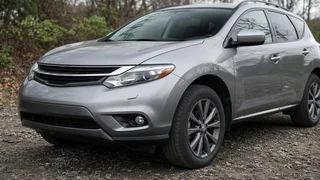
Nissan Murano Car and Driver Review: What It Covers and How to Use It
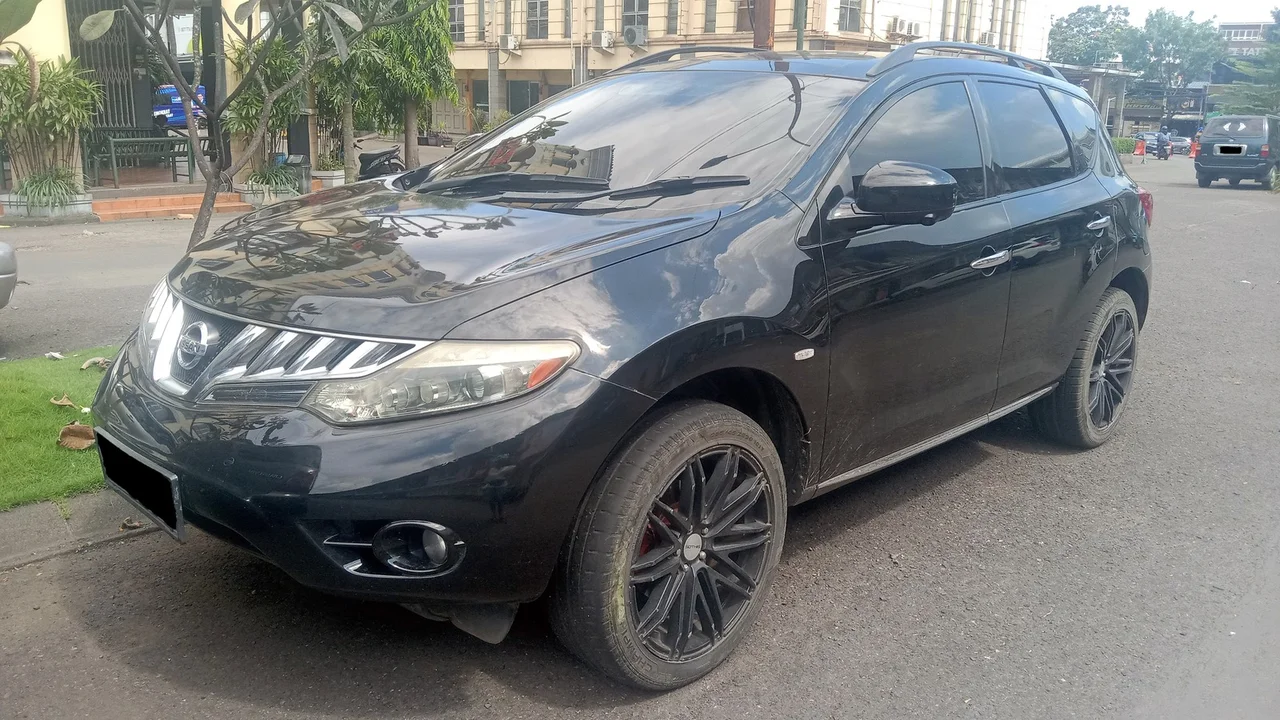
If you are searching for Car and Driver's take on the Nissan Murano, the key point is that there is no single verdict. The magazine has evaluated the Murano across several generations, and its conclusions depend on the model year, powertrain and trim being tested. A review of a recent model says little about an older used example, and the reverse is also true. This guide explains what such a review typically contains, how the Murano has changed over time, and how to apply the findings to the vehicle you are actually considering. It does not reproduce specific scores or test figures, so check the review for the exact year you care about.
The Short Answer
The Nissan Murano is a two-row midsize crossover that Nissan positions as a style- and comfort-focused alternative to more utilitarian SUVs. A Car and Driver review weighs it against rivals in that segment. The review combines three kinds of information: documented specifications from the manufacturer, results from the magazine's own instrumented testing when a vehicle has been tested, and the editors' subjective judgments about driving feel, interior quality and value. To use the review well, keep these three apart and make sure the edition you read matches the generation and model year you are shopping for.
What a Car and Driver Review Usually Includes
Car and Driver's model reviews follow a consistent format, which makes it easier to compare the Murano with competitors. Depending on the edition and whether the editors tested the vehicle, a review may include:
An overall editorial rating and a short summary of strengths and weaknesses; An overview of what is new for the model year; Pricing guidance and a recommended trim, which reflects the editors' opinion rather than a fixed rule; Sections on engine, transmission and performance, fuel economy, interior and cargo, infotainment, and safety and driver-assistance features; Instrumented test results, such as acceleration, braking and real-world highway fuel economy, when the magazine has tested a specific vehicle; Notes on warranty coverage
Instrumented results apply to the exact vehicle tested: its trim, drivetrain, tires and options. A different configuration can perform differently, so treat any test figure as a data point for that vehicle rather than a guarantee for every Murano.
Why the Model Year Matters So Much
The Murano has been redesigned several times. Each generation changed the styling, the cabin and, in the most recent redesign, the powertrain. A reviewer's comments about drivetrain character, refinement or technology are tied closely to the generation being discussed.
Generation (US model years) | Powertrain in broad terms | What to keep in mind when reading a review; First generation (2003–2007) | V6 with a continuously variable transmission (CVT) | Mainly relevant to older used purchases; expect dated technology and safety features by current standards; Second generation (2009–2014) | V6 with CVT | Included the unusual Murano CrossCabriolet convertible variant in some years, which was reviewed separately from the regular crossover; Third generation (2015–2024) | V6 with CVT | Known for its distinctive styling; reviews over this long run reflect mid-cycle updates and changing feature content; Fourth generation (2025 onward) | Turbocharged four-cylinder with a conventional multi-speed automatic | A substantial powertrain change, so earlier comments about the V6 and CVT do not carry over
A CVT, or continuously variable transmission, uses a belt-and-pulley system instead of fixed gears. It can keep the engine at efficient speeds, but some drivers find its response less natural than a traditional geared automatic. Reviewers often comment on how smoothly a particular CVT behaves. The switch to a geared automatic in the latest generation is one reason older verdicts should not be applied to newer Muranos.
How to Read the Review for Your Situation
Shopping New
Read the edition for the current model year and check the What's New section for changes in equipment, trims or pricing. Pay attention to the recommended trim and the reasons given, then compare those reasons with your priorities. Editors may favor a mid-level trim for value, while you might care more about a particular safety or comfort feature found only on higher trims.
Shopping Used
Find the review written for the specific model year you are considering, not the current one. Judgments about ride comfort, cabin design and infotainment are most useful when they describe the version you would actually drive. For used vehicles, a road review is only part of the picture. Maintenance history, recall status and a pre-purchase inspection matter more for an individual car than any magazine verdict, especially for transmission condition on CVT-equipped models.
Comparing Rivals
Car and Driver usually frames the Murano against other two-row midsize crossovers. Depending on the year, these may include models such as the Ford Edge, Chevrolet Blazer and Honda Passport. Because the competitor set changes as models are redesigned or discontinued, compare reviews from the same model year so you are weighing current versions against each other.
Separating Facts From Opinions
Reviews are most useful when you know which kind of claim you are reading.
Specifications such as engine type, drivetrain, transmission and EPA fuel-economy estimates come from the manufacturer or government ratings and can be checked against the window sticker or official listings; Test results are measurements of one vehicle under the magazine's procedures and are comparable mainly with other vehicles tested the same way; Editorial judgments about styling, steering feel, cabin ambiance or value are informed opinions; they help you decide what to look for, but a test drive should settle them for you
Questions to Answer Before Relying on Any Verdict
Does the review match the model year and generation I am considering? Was the tested vehicle the same drivetrain and a similar trim to the one I would buy? Are the criticisms about things I care about, such as cargo space or transmission feel, or about things I do not? Have I driven the vehicle myself on roads I normally use? For a used Murano, have I checked recalls, service records and the overall condition of the specific vehicle?
Bottom Line
A Car and Driver review of the Nissan Murano is a useful, structured starting point. It is only accurate for the generation and model year it covers. Match the review to your vehicle, keep specifications, test data and opinions separate, and confirm the editors' impressions with your own test drive and, for used examples, an inspection. That approach turns a general verdict into a decision that fits the specific Murano you are considering.