Nissan mobility car
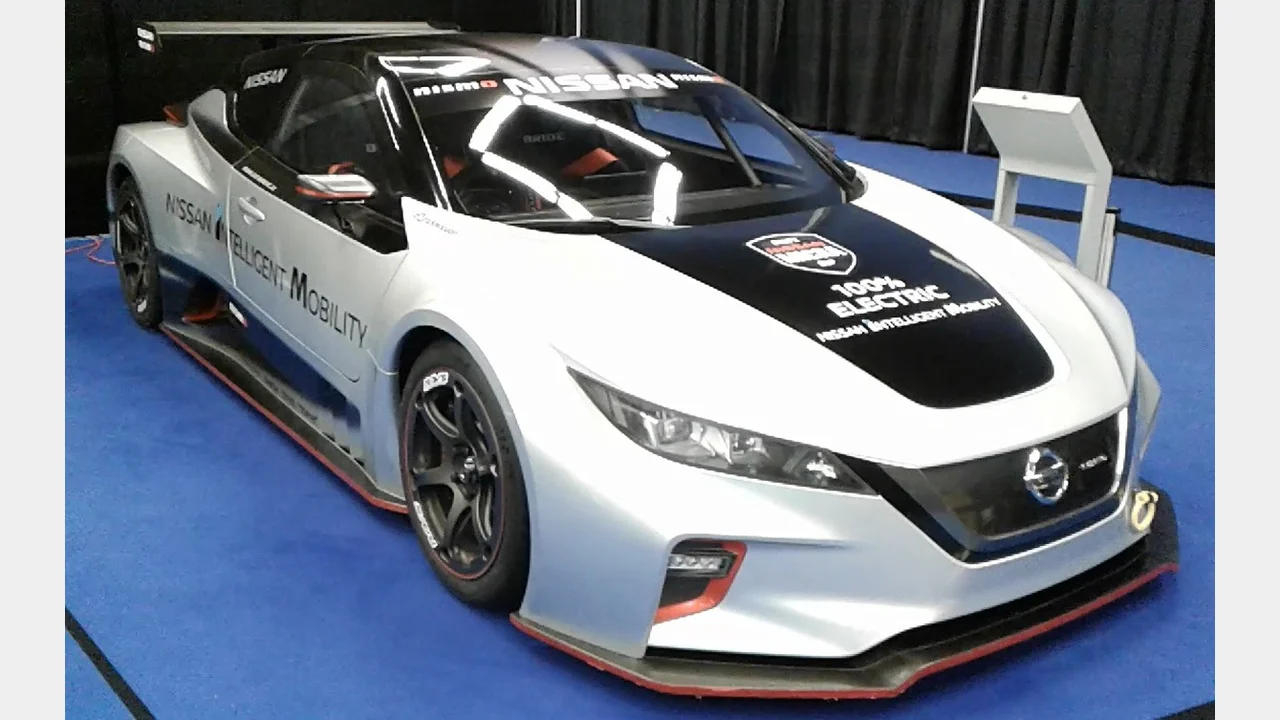
A Nissan mobility car search usually points to two related but distinct topics that a shopper should separate before choosing. One direction involves Nissan vehicles fitted with wheelchair access, lowered floors, swivel seats, hand controls, or other adaptive equipment. The other direction involves Nissan's newer mobility support programs, subscription-style access, or accessible concept vehicles that appear under similar naming. The model year, trim level, and market specification matter because availability changes by region and generation. Without a specific body style or conversion name, the phrase remains broad. The practical answer is therefore not one vehicle but a category of accessible Nissans and mobility services that share the goal of easier entry, driving, or passenger transport.
Essential answer
The essential answer is that a Nissan mobility car is best understood as a Nissan vehicle adapted for wheelchair users, drivers with limited mobility, or caregivers, rather than a single factory model with fixed equipment. Common conversions include minivans such as the NV200-based taxi replacement and larger vans with ramp or lift access. Reduced-effort steering, pedal extensions, transfer seats, and wheelchair lockdowns may also be fitted to sedans or crossovers depending on the chosen platform and converter.
A separate interpretation covers Nissan's mobility program or accessible concept vehicles aimed at people who need short-term access or assisted-use designs. Because available powertrain configurations and trim levels differ by model generation and market, a buyer should first identify whether the need is permanent wheelchair transport, easier personal driving, or occasional accessible travel. The body style and conversion type materially change safety, seating capacity, and usability, so the broad term alone does not indicate one standardized package.