Nissan kei cars
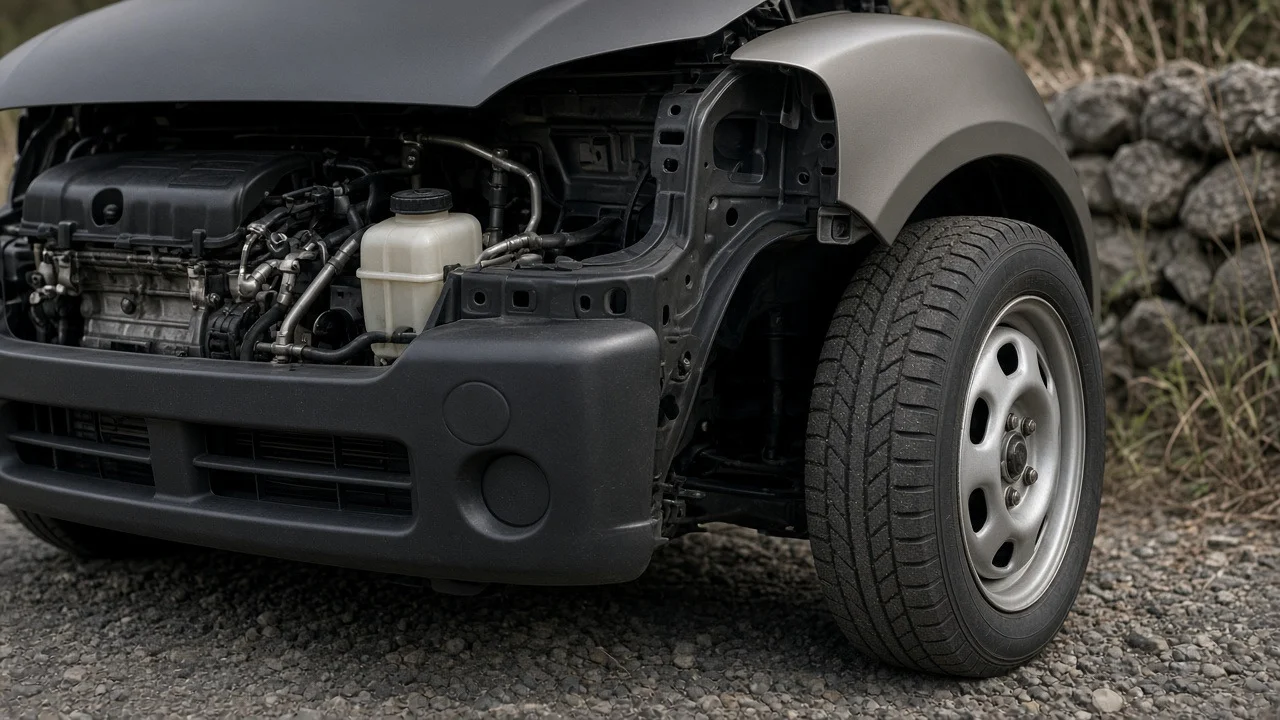
Nissan kei cars are Japan’s smallest street-legal passenger vehicles, shaped by a regulatory class that rewards compact dimensions and modest displacement. A kei car is not simply a tiny hatchback; it is a distinct vehicle class with a specific body configuration, seating layout, and powertrain layout engineered around urban efficiency. American readers researching the Nissan kei car usually encounter used JDM models, import eligibility questions, or curiosity about how these machines differ from conventional subcompacts sold in the US.
Essential answer
A Nissan kei car is a passenger or commercial microcar built to meet Japan’s keijidosha standards for maximum exterior size, engine capacity, and power. Nissan has offered several model generations in this segment, often through badge-engineered collaborations with other Japanese manufacturers. The result is a narrow, tall body configuration that maximizes cabin room within the legal footprint while using a small powertrain layout, typically a transversely mounted three-cylinder engine driving the front or all four wheels.
For a US reader, the essential distinction is market segment rather than simple size. These vehicles were developed for Japanese tax categories, dense cities, and tight parking, so their seating layout usually accommodates four occupants in an upright position. Import examples may be legal once they clear age-based exemptions, but the vehicle class still differs from US-market subcompacts in width, safety hardware, and intended operating environment. Understanding that scope prevents misreading a kei car as merely a cheaper economy car.