Nissan Juke What Car review
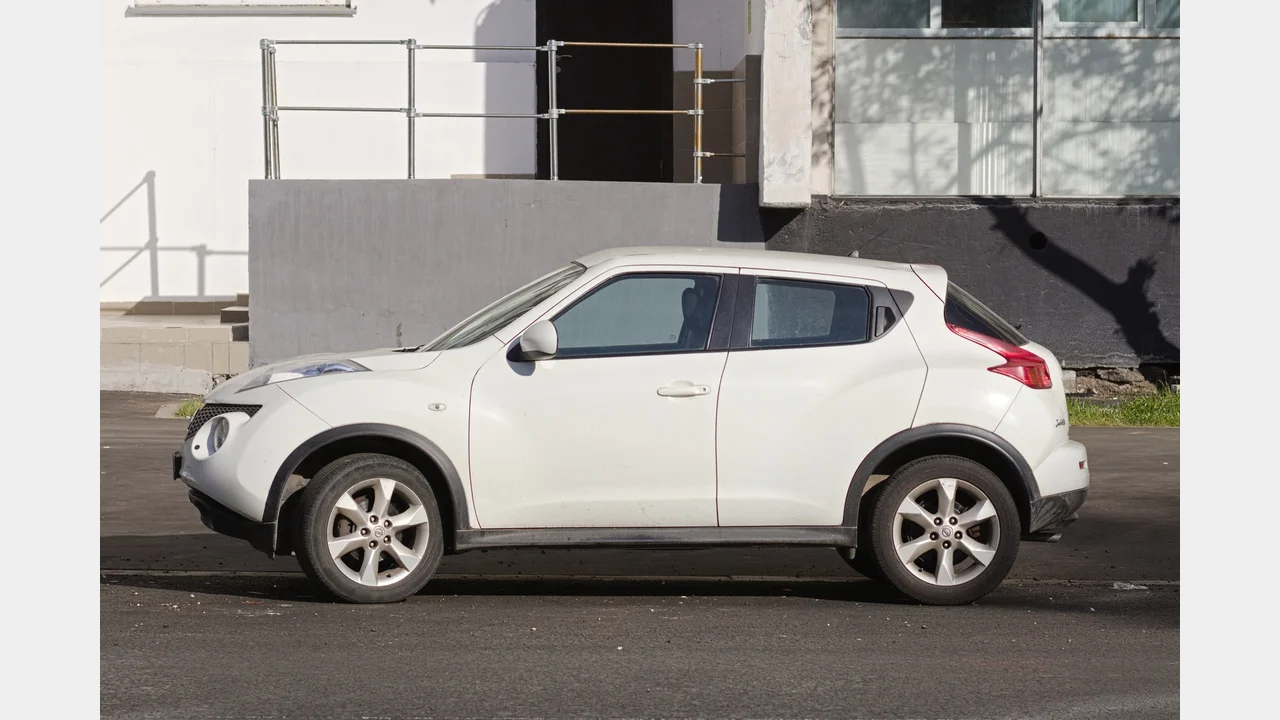
The Nissan Juke has always divided opinion, and a “what car review” search usually reflects a buyer trying to separate bold styling from everyday usefulness. In the US market, this model is best understood as a compact crossover with an unusually expressive body, a raised driving position, and city-friendly dimensions. The review question ultimately asks whether the Juke’s character, visibility, cargo behavior, and available powertrain fit a particular owner’s commute, parking situation, and passenger needs rather than simply matching a class average.
Essential answer
A what car review of the Nissan Juke is an assessment that weighs this small crossover against daily usability and alternatives in the same segment. Because the Juke changed across model generations and trim levels, a review must be tied to the market specification and body style being considered. Early examples emphasized turbocharged performance and coupe-like styling, while later revisions softened some details and adjusted equipment packaging. The essential answer is that the Juke suits buyers who value distinctive design and maneuverability more than maximum rear-seat space or conventional cargo shape.
Within the US context, the Juke competed as an entry-level urban crossover rather than a family hauler. Reviewers typically focused on its nimble footprint, distinctive front-end treatment, and driver-oriented cabin. A buyer researching this vehicle should understand that model year and powertrain configuration change the experience enough that a single verdict cannot cover every version. The review question therefore points toward a qualified conclusion: the Juke is a style-led, city-oriented choice whose compromises appear most clearly when rear passenger room and flat load-floor versatility are high priorities.
How it works
The Juke’s operating character comes from combining a short wheelbase with a relatively tall body and, on many versions, a small-displacement turbocharged engine. That layout delivers quick responses in traffic and easy placement on narrow streets because the driver sits higher than in a conventional hatchback without giving up a compact turning circle. The raised suspension also helps absorb broken pavement, though the same geometry can produce noticeable body lean during quick direction changes. Understanding this balance explains why the vehicle feels playful at moderate speeds yet less settled when pushed hard.
The available all-wheel-drive arrangement on some Juke configurations adds traction by sending torque rearward when the front wheels lose grip. This is useful in rain or light snow but does not turn the crossover into a rugged off-roader. Inside, the high center console and motorcycle-inspired design elements create a cockpit-like feel that some owners enjoy and others find confining. The practical effect is that the Juke rewards drivers who want visual drama and agile urban behavior, while occupants seeking a hushed, spacious cabin may notice the trade-offs immediately.
Strengths, limitations and suitability
The strongest case for the Juke rests on its distinctive styling and city-sized footprint. It is easy to park, visually memorable, and often available with a livelier powertrain than many small crossovers offer at a similar price point. The raised seating position gives a better forward view in stop-and-go traffic, and the compact body makes lane changes less stressful on crowded streets. For a single commuter or a couple without tall rear passengers, the front-seat experience can feel more engaging than the conservative cabins of many competitors.
The main limitations involve rear-seat room, cargo shape, and refinement. The sloping roof reduces headroom for adults in back, while the high beltline can make the rear quarters feel dark. The cargo area is usable for groceries or weekend bags but less flexible than boxier rivals when carrying bulky objects. Ride quality and road noise also vary by model year and wheel size. The Juke therefore suits style-focused urban drivers more than growing families or anyone who regularly needs maximum passenger and luggage flexibility.
Procedure
Before a test drive, a buyer should confirm which model generation and trim level are being viewed because equipment and powertrain choices differ by market specification. On the lot, the practical inspection begins with front-seat fit, outward visibility, and whether the cargo opening accepts the items the owner carries most often. The rear seat should be checked with actual passengers rather than judged from photographs, since the tapered roof affects headroom. A short urban loop with rough pavement and a highway section gives the clearest sense of ride comfort and noise.
After driving, the buyer should compare the observed acceleration, steering effort, and seat comfort with the priorities that led them to the Juke. If all-wheel drive or specific driver assistance features are important, those should be confirmed on the exact vehicle because not every trim includes them. The completion check is whether the owner can live with the rear space and cargo shape every day, not just on the test route. A prepurchase inspection remains useful on older examples, but no single setting or fluid choice changes the fundamental size and design compromises.
Diagnosing a problem
When a used Juke exhibits uneven tire wear, a pull to one side, or a dull knocking over bumps, the suspension and alignment should be checked before assuming a major fault. Worn strut mounts, bushings, or tie-rod ends can produce similar symptoms, and the short wheelbase makes the vehicle sensitive to small geometry changes. Tire condition and inflation should be inspected first because an underinflated or mismatched tire can imitate alignment trouble. A fault code is only a starting point; live data or a visual inspection is needed to identify the actual failing component.
A high-pitched whine that changes with road speed rather than engine speed often points to a wheel bearing, while a rumble during tight turns may indicate a CV joint. If a warning light appears alongside reduced power or rough shifting, the vehicle should be driven gently to a safe stop and evaluated by a qualified technician. Because some manufacturer-dependent codes require vehicle-specific confirmation, a stored code alone should not be used to condemn a turbocharger, transmission, or electronic module. The most useful next step is to match the symptom to a repeatable driving condition before authorizing repairs.