Nissan Juke Service Engine Soon Light: What It Means and What to Do
The short answer
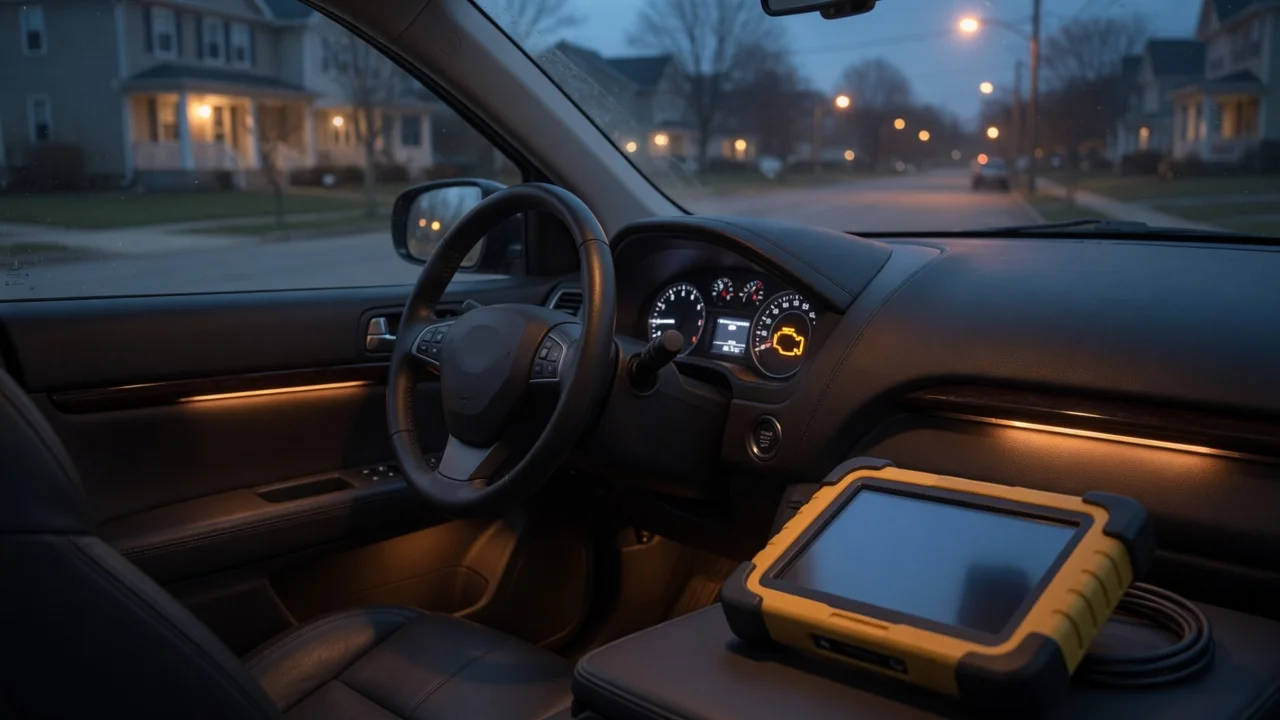
On a Nissan Juke, the Service Engine Soon light is the malfunction indicator lamp, commonly called the check engine light. It means the engine control module has detected a fault in the engine, fuel, ignition or emissions systems and has stored a diagnostic trouble code (DTC). It is not an oil-change or scheduled-maintenance reminder, which is a separate message. The light alone does not tell you what is wrong. The stored code has to be read to narrow down the cause.
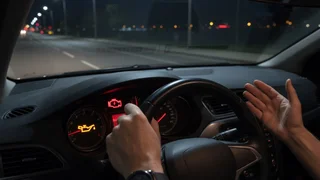
The most important qualification is how the light behaves. A steady light usually means you can keep driving carefully and have the code read soon. A flashing light means you should reduce load and stop driving as soon as it is safe.
Steady versus flashing
Light behaviour | What it generally indicates | Recommended response; Steady (stays on) | A fault has been detected and a code stored; severity varies widely | Check for obvious issues, then have the code read soon; Flashing | An active engine misfire severe enough to risk damaging the catalytic converter | Ease off the throttle, avoid hard acceleration and stop driving when safe; arrange diagnosis before further use; On with other warnings, overheating, low oil pressure or obvious loss of power | A fault that may affect engine safety or drivability | Stop when safe and do not continue driving until the cause is known
This steady-versus-flashing distinction comes from the standard OBD-II (on-board diagnostics) behaviour used on vehicles sold in the US and on comparable European systems. It is not a Juke-specific rule.
Which Juke this applies to
The general meaning of the light is the same across Juke generations and markets. The details differ, however. The lamp's exact symbol or wording, the engines fitted and the faults likely behind a given code all depend on model year, generation, engine and market. The first-generation Juke sold in North America used a 1.6-litre turbocharged petrol engine. European versions offered other petrol and diesel engines, and the second generation, sold outside North America, introduced different powertrains, including a hybrid. For exact lamp behaviour and warnings on a particular car, use that vehicle's owner's manual, because this guide cannot confirm the details for every variant.
What to do when the light comes on
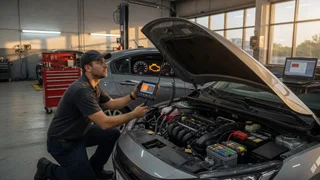
Note whether the light is steady or flashing, and whether the car feels different: rough running, hesitation, reduced power, unusual noises or smells. Check the fuel cap. If it was recently refuelled, make sure the cap is fully tightened. A loose or faulty cap can set an evaporative emissions code. Even after the cap is fixed, the light may take several drive cycles to go out. Check the other warning lights and gauges, especially the temperature gauge and the oil pressure warning. Have the stored code read. An OBD-II scan tool plugs into the diagnostic port, which on OBD-II vehicles is located under the dashboard within reach of the driver's seat. Many repair shops, and in some markets parts retailers, will read codes. Treat the code as a starting point. A code identifies the system or condition that failed a check, not necessarily the exact part to replace.
Should you just clear the code?
Clearing the code with a scan tool turns the light off but does not fix the fault. If the problem persists, the light will return. Clearing codes also resets the emissions readiness monitors, which can cause a car to fail an emissions inspection until enough driving has been done for the monitors to complete. Record the code and any freeze-frame data before clearing anything, so a technician can use that information.
What this guide does not cover
No Juke-specific fault data, repair statistics, technical service bulletins or recall information were available for this article. It therefore does not rank which codes or failures are most common on the Juke or estimate repair costs. If your car shows a specific code, look up that code against the exact model year and engine. A Nissan dealer can also check whether any recall or service campaign applies to the vehicle identification number (VIN).