Nissan gtr car
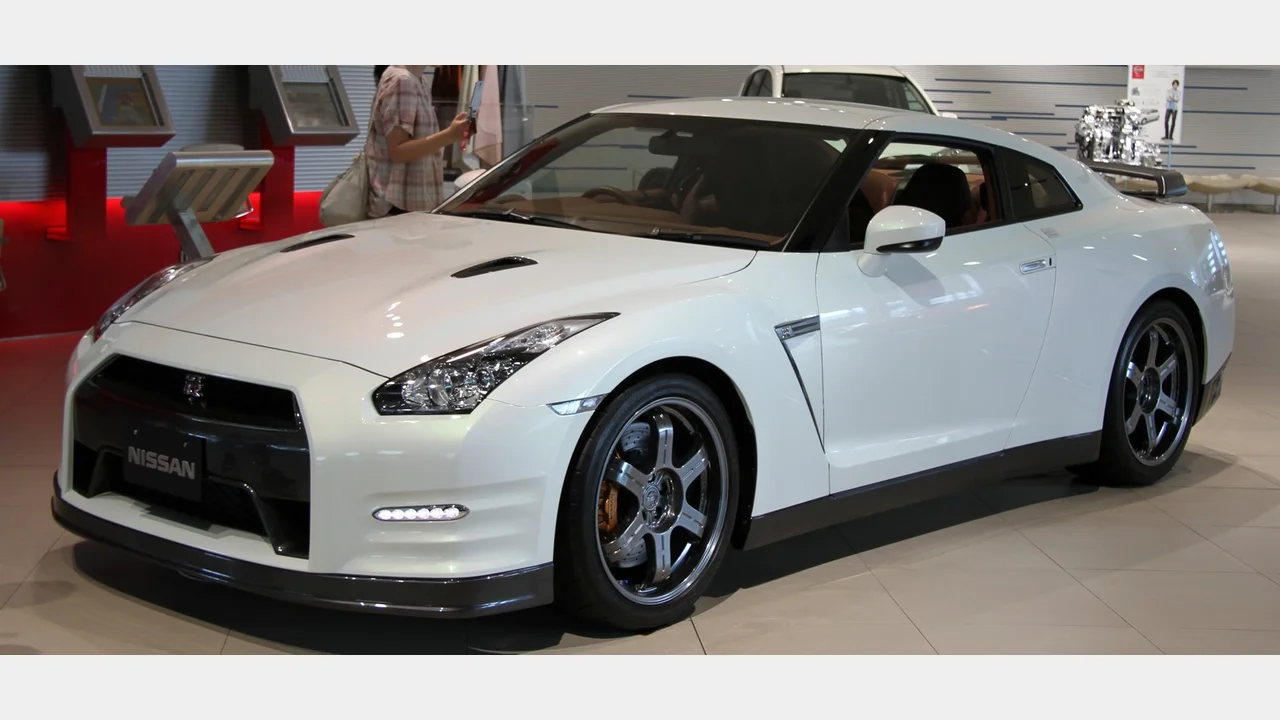
The Nissan GT-R is often judged through drag-strip numbers, yet living with it as a possible used purchase introduces different questions about model generation, trim level, and market specification. A single badge spans several model years with meaningful changes to suspension behavior, transmission tuning, and interior quality. Understanding what the GT-R car actually offers requires looking beyond peak power. This overview identifies the essential character of the platform, explains how powertrain configuration and body style shape the experience, and separates the aspects that remain consistent from those that vary by year and specification.
Essential answer
The Nissan GT-R is a front-engine, all-wheel-drive performance coupe built around a twin-turbocharged V6 and a rear-mounted transaxle. That layout is the core answer to what the car is: a heavy, highly networked machine that converts boost and traction into rapid forward progress regardless of driver experience. The body style stays a two-door coupe across the modern generations, while the powertrain configuration gives it a distinctive weight distribution and a characteristic shove out of corners rather than the delicate balance of some rear-drive rivals.
Different model generations change the GT-R’s usability and behavior more than any interior update does. Early model years feel rawer and more mechanical, while later versions add refinement, revised dampers, and updated transmission logic. Trim level affects wheel finish, seat material, and brake hardware, but the fundamental engineering identity remains the same. Because the vehicle was sold under different market specifications, options, emissions calibrations, and even display language can vary; a used buyer should confirm what specification a particular car represents before assuming it matches a local brochure.