Nissan Cube
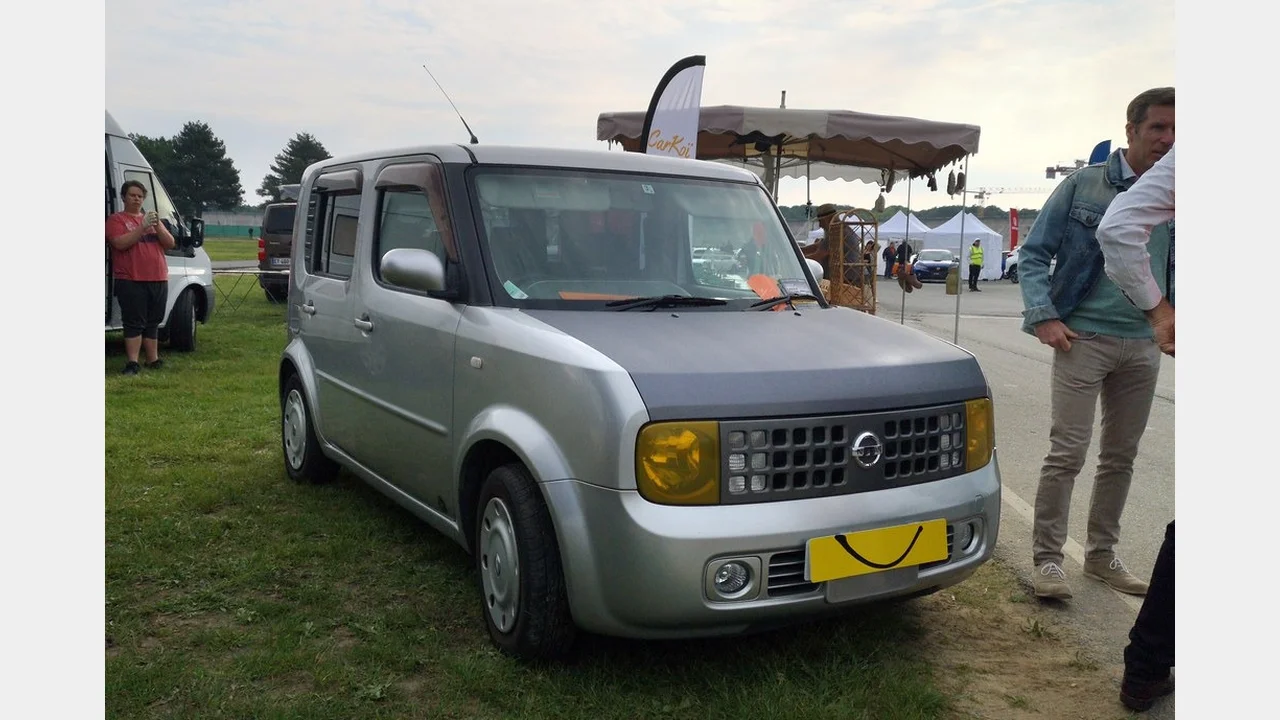
The Nissan Cube is one of the most distinctive small cars sold in the United States, known for its asymmetric boxy shape and lounge-like cabin. Shoppers searching for a nissan box car often begin with the same question: what makes the interior useful, comfortable, and easy to live with day to day. The nissan cube car interior combines a tall roof, deep glass area, and flexible seating in a footprint that remains easy to park. Understanding the cabin layout helps buyers evaluate headroom, visibility, cargo access, and the wear points that matter on older examples.
Essential answer
The essential answer is that the Nissan Cube is a compact front-wheel-drive hatchback designed around interior space rather than conventional styling. Its tall, squared-off body and short overhangs create an unusually airy passenger compartment for the car’s exterior size. The cabin is the vehicle’s defining feature: buyers typically find generous headroom, upright seating, and a dashboard shaped more like a living space than a traditional cockpit. This approach makes the Cube practical for urban driving, carrying passengers, and occasional cargo while standing apart from rounded subcompact competitors.
When evaluating a used Cube, the interior should be treated as the main reason to choose the model. Tall doors and a high roof ease entry and exit, especially for rear passengers, while the side-hinged rear door opens wide for loading bulky items. These advantages come with a trade-off: the upright glass and large interior panels can transmit more road and wind noise than a sleeker cabin. Buyers should focus on seat condition, headliner cleanliness, cargo-area trim, and whether the rear seat folds and latches correctly, since those areas reflect how the vehicle was used.