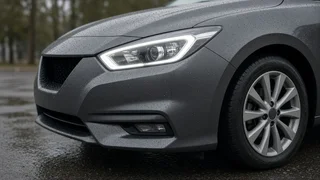
Nissan car sizes
Choosing the right Nissan often starts with understanding how its passenger and cargo space compare across the lineup. A compact hatchback will fit a city parking space differently than a three-row family crossover, and the same model generation can feel roomier after a redesign. Practical questions about legroom, cargo volume, and overall maneuverability are really questions about body style, wheelbase, and interior packaging. Looking at these dimensions together helps narrow the field before a test drive.
Essential answer
Nissan car sizes span a broad range because the lineup includes subcompact sedans, compact crossovers, mid-size SUVs, full-size trucks, and electric vehicles. The physical footprint of a Versa is much smaller than that of an Armada, and even vehicles with similar names can change meaningfully between model generations. A redesign may lengthen the wheelbase or widen the track, altering how the vehicle feels in traffic and how much shoulder room passengers get.
The practical takeaway is that no single Nissan size fits every need. A shorter overall length improves parking ease, while a longer wheelbase often aids highway stability and rear-seat legroom. Body style also matters: a Rogue and an Altima may occupy similar ground, but the crossover’s taller roof creates a different cargo and seating environment. Comparing dimensions within one class usually tells you more than comparing model names alone.