Nissan Car Price in India: What Sets the Final Figure and What to Check Before You Buy

There is no single Nissan car price in India. The figure you pay depends on the model, the trim level, the engine and gearbox, the model year, and above all the state and city where the car is registered. The same variant can cost noticeably different amounts in two Indian cities because registration charges and road tax are set at state level. The most useful first step is to separate the ex-showroom price, which manufacturers and dealers advertise, from the on-road price, which is what you actually pay to drive the car away.
The short answer
To get a reliable price, choose the exact model, trim and powertrain, then ask a dealer in the city of registration for a written on-road quotation with each charge listed separately. Advertised prices are usually ex-showroom and often refer to the cheapest variant, so treat them as a starting point rather than a final cost. Manufacturers revise Indian prices periodically, and tax changes can move them, so any figure you see in an article or listing should be checked against a current quote. That includes any figure you see quoted in passing.
What Nissan sells in India
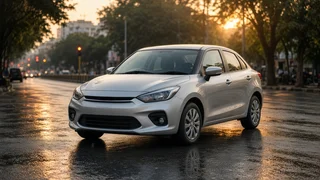
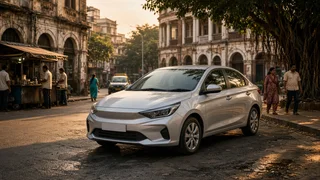
In recent years Nissan's Indian range has been small, and the Magnite compact SUV has been its main volume model. A larger, imported SUV has sat at the upper end of the range at times. Several models sold earlier, such as the Micra, Sunny, Terrano and Kicks, have been discontinued. The Datsun brand, which Nissan used for budget cars, has also been wound down. Nissan has announced plans for additional models, so the lineup can change. Confirm which models and variants are currently on sale before comparing prices, because an outdated list leads to quotes for cars dealers no longer stock.
Ex-showroom price vs on-road price
The ex-showroom price is what the car costs at the dealership before registration. It normally includes the manufacturer's price, dealer margin and goods and services tax (GST), plus any applicable cess. The on-road price adds everything needed to register, insure and legally drive the car. The difference between the two is often large enough to change which variant fits a budget.
Charge | What it is | How it varies; Ex-showroom price | Vehicle price including GST and any cess | Set by manufacturer; changes with price revisions and tax rules; Road tax | One-time state tax collected at registration | Differs by state; often linked to price band, fuel type or engine size; Registration (RTO) fees | Number plate, registration certificate and processing | State-specific; extra for a chosen registration number; Insurance | Mandatory third-party cover plus optional own-damage cover | Depends on insurer, add-ons and the chosen insured value; TCS | Tax collected at source on cars above a set price threshold | Applies only above the threshold; can be adjusted against your income tax; FASTag | Electronic toll tag | Small fixed cost; Extended warranty and service packages | Optional cover beyond the standard warranty | Optional; priced per plan and duration; Accessories | Mats, protection film, infotainment upgrades and similar items | Optional; often bundled into dealer quotes; Handling or logistics charges | Dealer-added fees for delivery preparation | Question these; ask what they cover and whether they are negotiable
When comparing quotes, check which included charges are mandatory and which the dealer has bundled in. Accessory packs, extended warranties and insurance bought through the dealer are common places where two on-road quotes for the same car differ. You can usually get insurance quotes from other insurers and compare them before accepting the dealer's policy.
How trim level and powertrain change the price
A trim level is a pre-set equipment grade within a model. Base trims cover essentials, and higher trims add features such as alloy wheels, a larger touchscreen, connected-car functions, extra airbags, automatic climate control or a reversing camera. The price gap between the lowest and highest trims of the same model can be substantial.
The powertrain is the engine and gearbox combination, and it often matters as much as trim. Nissan's compact SUV has typically been offered with a naturally aspirated petrol engine and a turbocharged petrol engine, with manual and automatic options. Automatics, including AMT (automated manual) and CVT (continuously variable transmission) types, usually cost more than the equivalent manual. Not every engine is available with every trim or gearbox, so confirm that the exact combination you want exists before comparing prices.
Decide which features you actually need, then find the lowest trim that includes them. Check whether the feature you want is available only with a specific engine or gearbox. Compare the price step between adjacent trims with the cost of adding equivalent accessories yourself. Look out for special or limited editions, which are often cosmetic packages with a price premium.
Model year and timing
The model year affects both the purchase price and future resale value. Dealers sometimes offer discounts on unsold stock from the previous model year or manufacturing year, especially near the end of the calendar year or before a facelift arrives. These offers can be genuine savings. A car built in an earlier year may, however, be valued lower when you sell it, because buyers and valuers often look at the manufacturing or registration year.
Check the manufacturing month and year on the vehicle identification number (VIN) plate or in the documents before delivery. If a facelift or updated version is due soon, weigh the discount on outgoing stock against features or equipment the newer version may add.
Why the regional market matters
India is not one uniform pricing market. Road tax and registration fees are set by each state, so the on-road price for the same variant varies between states and sometimes within a state, depending on the registering authority. Some states also apply different rates depending on price band, fuel type or whether the owner is an individual or a company. A price quoted for one city is therefore not a reliable estimate for another.
Buying in a lower-tax state and registering elsewhere is generally not a simple way to save money. A vehicle that is kept long term in another state may need re-registration and additional tax there. Price the car in the state where it will actually be used and registered.
Buying for someone in India from abroad
Many people searching for Nissan prices in India from the US are helping relatives or planning a purchase on their return. Indian car prices are set and quoted in rupees, so any dollar figure is a conversion at a particular exchange rate. Avoid relying on a converted number from an older article. The registered owner normally needs Indian identity and address documents, and insurance and registration are tied to that owner. Decide early whose name the car will be registered in, how payment will be made, and who will inspect the car at delivery.
Used Nissan prices: condition and market valuation
For a used Nissan, there is no list price. The market valuation depends on the model, variant, model year, kilometres driven, number of previous owners, accident history and overall vehicle condition. Online valuation tools and listings on used-car platforms give a rough range. The final price comes from inspecting the specific car.
Check the registration certificate, insurance history and any outstanding loan (hypothecation) noted on the papers. Review service records and confirm that scheduled maintenance was done. Have a mechanic inspect the engine, gearbox, suspension and underbody, and look for repainted or misaligned panels. For automatics, test how smoothly the gearbox shifts from cold and in stop-start traffic. For discontinued models, ask a service centre how easy it is to get common parts before you buy. Confirm whether any remaining manufacturer or extended warranty transfers to the new owner.
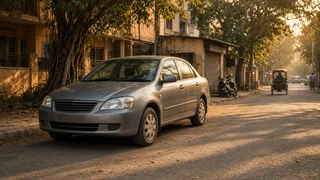
Discontinued models can be cheaper to buy second-hand, but resale demand and parts availability may be weaker than for a current model. Factor that into what you are willing to pay.
Costs beyond the purchase price
The on-road price is only part of the cost of ownership. Annual insurance renewal, scheduled servicing, tyres, fuel and eventual resale value all affect what the car really costs you. Turbocharged engines and automatic gearboxes can have different maintenance needs from simpler versions. The density of the service network near where you live also matters, because Nissan's dealer and service footprint in India is smaller than that of the largest brands in the market. Ask the dealer for the scheduled service intervals and indicative service costs for the exact variant you are considering.
Checklist before you pay
Confirm the exact model, trim, engine, gearbox and colour in writing. Get an itemised on-road quotation for your city of registration. Separate mandatory charges from optional accessories, warranties and insurance add-ons. Compare dealer insurance with at least one independent quote. Ask about current offers: cash discounts, exchange bonuses, corporate discounts and loyalty benefits. Check the manufacturing date of the specific car being allotted. If financing, compare the interest rate, processing fees and total repayment with outside lenders. Inspect the car before delivery for damage, missing accessories and correct documentation.
Next step
Shortlist one or two variants based on the features and powertrain you need. Then request written on-road quotations from more than one dealer in the city where the car will be registered. With itemised quotes in hand, you can compare like for like, remove charges you don't want, and judge whether a model-year discount or a used example offers better value than a new car.