Nissan as a car brand
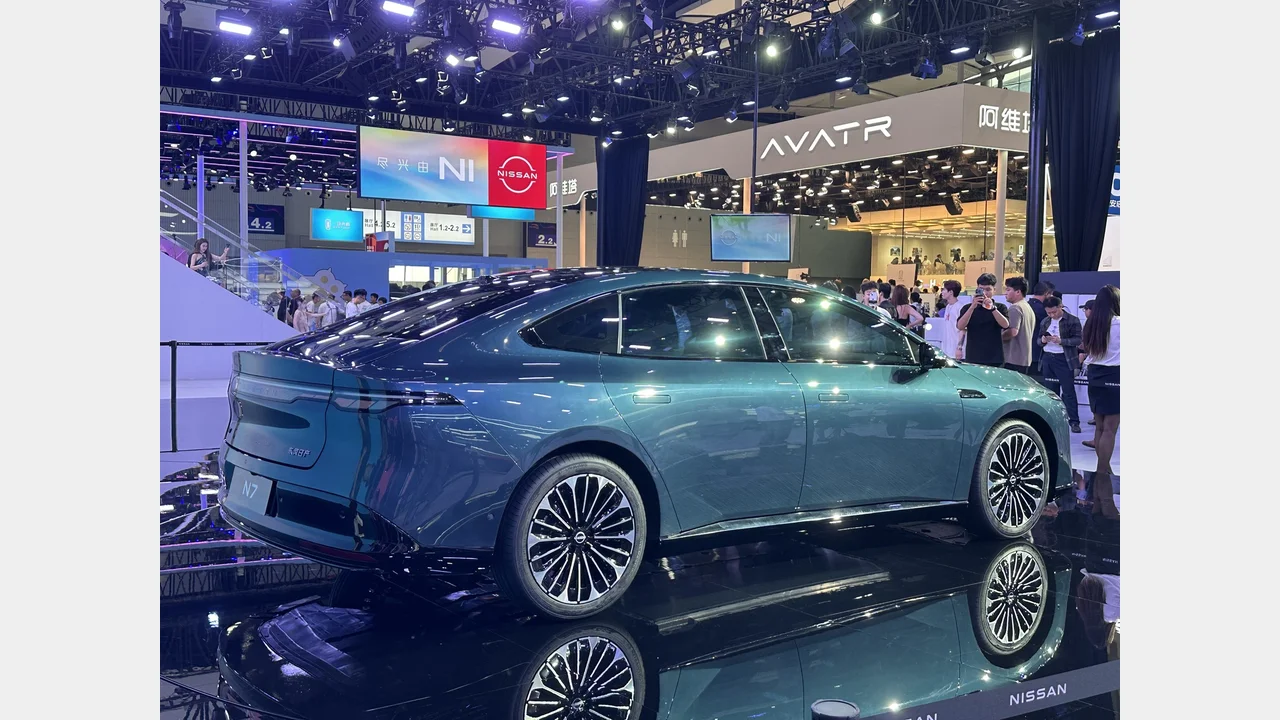
Nissan occupies a distinctive place among global car brands because it pairs mass-market practicality with genuine performance credibility. Shoppers comparing car brands often encounter Nissan through its wide range of body configurations, from compact crossovers to full-size trucks and electric vehicles. Understanding the brand means looking beyond a badge and considering how market segment, powertrain options, and equipment level shape each model. The Nissan lineup changes by model year and regional availability, so the same nameplate can serve different buyers in different places.
Essential answer
Nissan is a full-line Japanese automobile manufacturer whose identity spans affordable commuter cars, family SUVs, trucks, and a recognized line of electric vehicles. Within the automotive landscape, the brand competes across several market segments rather than focusing on one narrow specialty. A shopper researching car brands will find Nissan positioned as a high-volume mainstream option, yet one that also carries enthusiast-oriented models. This breadth means the essential answer is not a single vehicle but a portfolio approach.
The brand’s character is shaped by how it structures its catalog. Different body configurations and powertrain options allow the same core engineering to appear in a small hatchback, a three-row crossover, or a work-oriented pickup. Equipment level further separates a basic commuter trim from a near-luxury interior. Because regional availability changes what appears in showrooms, a Nissan model sold in one US state may differ in standard features or drivetrain layout from the same nameplate offered elsewhere.