Is Nissan a Reliable Brand to Buy? What Actually Determines the Answer
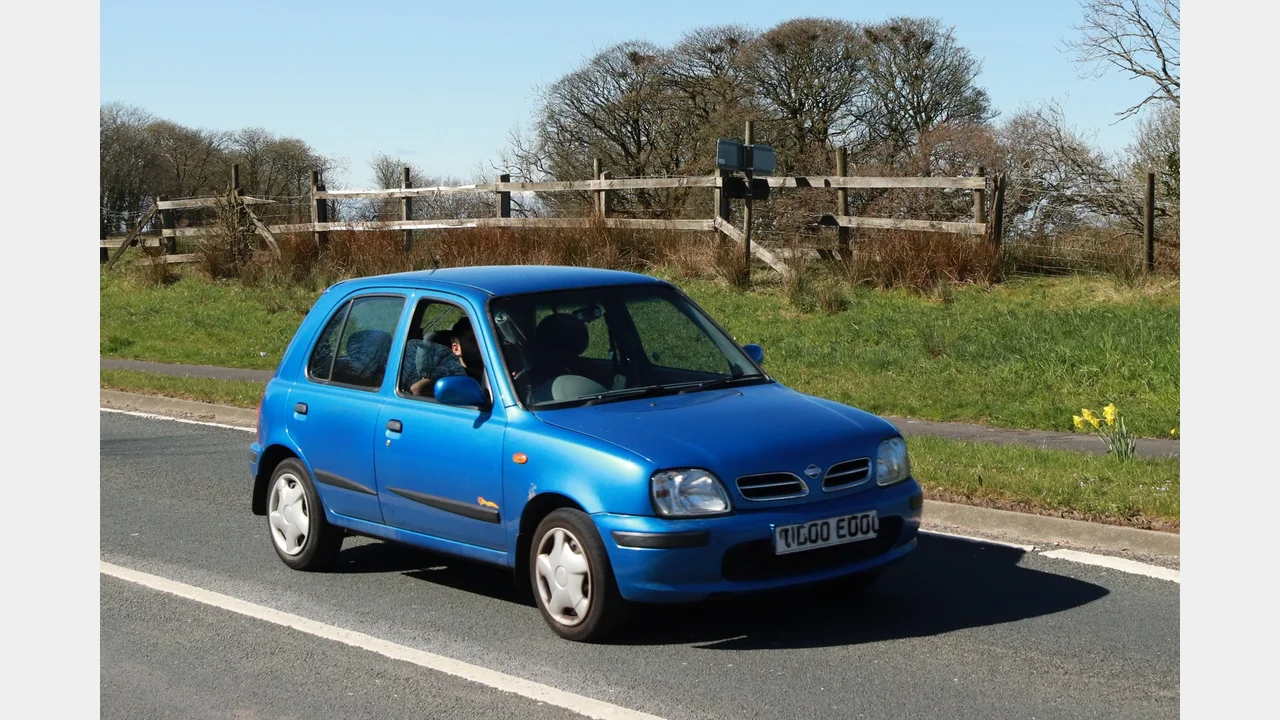
Nissan is a mainstream Japanese brand whose reliability record is mixed rather than uniformly good or bad. Many Nissans give long, uneventful service, but the brand's reputation has been weighed down by transmission problems in certain model years, especially vehicles with continuously variable transmissions (CVTs). Whether Nissan is a good car brand to buy depends less on the badge and more on which model, which model year and which powertrain you are considering, and on how the specific vehicle has been maintained.
The short answer
Yes, a Nissan can be a reliable purchase, with conditions. Nissan is generally seen as less consistent than Toyota and Honda. Its strongest examples tend to be models with proven, conventional powertrains. Its weakest reputation comes from CVT-equipped cars and crossovers from roughly the previous decade. If you are buying used, the model year and service history matter more for Nissan than for brands with a more even track record. If you are buying new, the warranty and any extended powertrain coverage reduce your risk, but long-term durability of newer engine and transmission designs is still being established.
Why Nissan's reliability reputation is mixed
Most of the negative attention in Nissan car reviews and owner forums traces back to a few recurring themes, not to the brand as a whole. Understanding them helps you separate a risky purchase from a sensible one.
CVT transmissions
A CVT is an automatic transmission that uses a belt or chain running between variable-width pulleys instead of fixed gears. It can improve fuel economy and smoothness, but it is sensitive to heat, fluid condition and driving load. Nissan adopted CVTs, branded Xtronic, across much of its car and crossover lineup earlier and more widely than many rivals. Owners of some models from the 2010s reported problems such as shuddering, hesitation, whining noises, overheating protection modes and early transmission replacement. Nissan responded on some vehicles with software updates and extended transmission warranty coverage.
Later CVT generations were revised, and owner complaints about newer versions are generally less prominent, but a CVT still benefits from fluid changes on schedule and is a costly component to replace out of warranty. For any CVT-equipped Nissan, the transmission is the single most important thing to investigate.
Newer engine technology
Some recent Nissans use newer designs such as small-displacement turbocharged engines, including the variable-compression turbo engine offered in certain Altima and Rogue model years. These engines are engineered for efficiency, but they have a shorter real-world history than Nissan's older naturally aspirated four-cylinder and V6 engines. That is not evidence of a problem; it simply means there is less long-term ownership data to judge them by.
Variation between models
Nissan sells vehicles across several market segments, from small sedans to full-size SUVs and pickups, and they do not share the same components. A body-on-frame truck with a conventional automatic transmission has little in common mechanically with a compact crossover using a CVT. Treating the whole brand as one reliability score hides those differences.
What to check by segment
The table below summarizes the general areas buyers tend to focus on in each part of Nissan's US lineup. It is a starting point for research, not a rating, and details vary by model year, equipment level and powertrain.
Segment | Example models | Main points to check; Small and midsize sedans | Versa, Sentra, Altima | CVT behavior and service history; whether any extended transmission coverage applies; engine type on Altima model years that offered a turbo option; Small and compact crossovers | Kicks, Rogue | CVT condition; engine generation on recent Rogue model years; recall completion; Midsize and large SUVs | Murano, Pathfinder, Armada | Transmission type, which differs by generation (some Pathfinder years use a CVT, newer ones a conventional automatic); towing history; four-wheel-drive system condition; Pickups | Frontier, Titan | Conventional automatic transmissions; check for towing and off-road wear, frame corrosion in salt-belt regions; Electric | Leaf, Ariya | Battery health and remaining capacity; older Leaf batteries lack active liquid cooling and can degrade faster in hot climates
How to read Nissan car reviews
Reliability surveys, professional road tests and owner reviews answer different questions, and mixing them up leads to confused conclusions.
Professional road tests describe how a vehicle drives when new. They rarely say much about how it will hold up after many years. Owner surveys and predicted-reliability ratings are built from reported problems across many vehicles. Check which model years a rating covers, because a redesign can reset the picture. Owner forums and complaint databases highlight problems, so they overrepresent unhappy owners. Use them to identify patterns, such as repeated reports of the same transmission symptom, rather than to judge how common a problem is. Brand-level rankings average every model together. A brand-wide score tells you less than the record of the exact model, model year and powertrain you are considering.
Buying a used Nissan: practical checklist
Identify the exact model year, trim and powertrain from the VIN, since the same model name can cover different engines and transmissions. Run the VIN through the federal recall lookup and confirm that open recalls have been completed by a dealer. Ask a Nissan dealer whether the vehicle received transmission software updates or falls under any extended warranty program. Request service records, especially CVT fluid changes. Missing transmission maintenance on a high-mileage CVT car is a reason for caution or a lower offer. On the test drive, accelerate gently and firmly from a stop and at highway speed. Note shuddering, surging, whining, delayed response or a sudden loss of power. Have an independent mechanic perform a pre-purchase inspection, including a scan for stored transmission and engine codes. For a Leaf or Ariya, have the battery state of health checked rather than relying on the range display alone. Consider a certified pre-owned Nissan if the price difference is reasonable, since it adds manufacturer-backed coverage.
Buying a new Nissan
With a new vehicle, the factory warranty covers early defects, so the main question is what happens after it ends. Read the current powertrain warranty terms for the model you want, and decide whether an extended service contract makes sense if you plan to keep the vehicle long term, especially with a CVT or a newer engine design. Compare equipment levels carefully as well: higher trims add features such as advanced driver assistance and larger screens, which are convenient but add electronics that can be expensive to repair out of warranty. Regional availability can also affect which powertrain options and drivetrains a dealer actually has in stock.
How Nissan compares with rivals
Against other Japanese and Korean mainstream brands, Nissan often competes on price, incentives and comfort, while Toyota and Honda typically lead on reputation for long-term reliability and resale value. Hyundai and Kia compete strongly on warranty length. Used Nissans frequently sell for less than comparable Toyotas and Hondas, partly because of the CVT reputation. That discount can be a genuine opportunity if you choose a well-documented example of a model with a solid record, and a false economy if it hides an expensive transmission repair.
Bottom line
Nissan is a reasonable brand to buy if you judge the specific vehicle rather than the badge. Favor model years and powertrains with good owner records, verify recalls and transmission history, budget for maintenance, and get an independent inspection before buying used. If you want the lowest possible risk with the least research, brands with a more consistent reliability record may suit you better; if you value price and are willing to check the details, a well-chosen Nissan can serve you well.