Most Reliable Car Brands: How to Read the Rankings Before You Buy

The short answer
This article does not name a top 10 because no current, confirmed reliability data was available for it, and a ranking without sources would be guesswork. What it can give you is the more useful part: a brand ranking is only a starting point. The reliability of the car you actually buy depends on its model, model year, engine, transmission and history more than on the badge.
If you are looking at published top 10 lists, use them to build a shortlist, then check the specific vehicle before you buy.
What reliability rankings measure
Reliability means how often a vehicle has problems and how serious those problems are. Brand rankings usually come from owner surveys or problem reports, averaged across the models a brand sells. Before relying on any list, check three things:
Survey method: whether results come from large owner surveys, repair records or expert judgment, and how many vehicles were counted. Vehicle age: some studies cover new cars in their first months, others cover cars several years old. Early problems and long-term durability are different questions. Problem weighting: whether a glitchy infotainment screen counts the same as a transmission failure. A brand can score poorly because of annoying electronics while its engines and transmissions hold up well, or the other way around.
Why a brand average can mislead you
A highly ranked brand can still sell a weak model, and a lower-ranked brand can sell a dependable one. Several conditions can change the answer for a specific car:
Model year: the first year of a redesign often has more problems than later years of the same design, after the manufacturer has fixed early issues. Powertrain: the powertrain is the engine, transmission and, for electrified cars, the battery and motors. The same model can be offered with powertrains that have very different track records. Trim and equipment: higher trims add features such as complex electronics, air suspension or panoramic roofs, which add more parts that can fail. Market: a model sold in the US may differ in engine, equipment or factory from the same name sold elsewhere, so rankings from other regions may not apply. Sample size: brands that sell only a few models, or low volumes, can move up or down sharply from year to year.
What to check before buying
Once you have a shortlist, move from the brand to the exact vehicle:
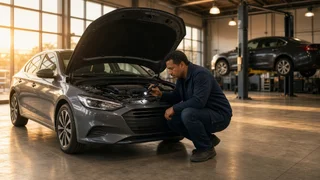
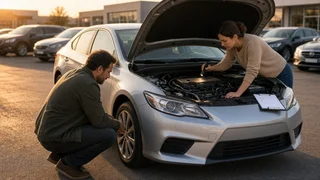
Look up reliability for the specific model, model year and powertrain, not only the brand. Check open recalls by the vehicle identification number (VIN) using the federal recall lookup or a franchised dealer. Recalls show known defects and whether they have been fixed on that car. For a used car, ask for maintenance records. A well-maintained car from an average brand can be a better buy than a neglected car from a top-ranked one. Have an independent mechanic do a pre-purchase inspection before you pay. Read the warranty terms, including which components the powertrain warranty covers, for how long, and whether coverage transfers to a second owner. Consider repair cost and parts availability. Reliability is about how often things break; ownership cost also depends on what repairs cost when they do.
What this article could not confirm
No current ranking, survey score, failure rate or price data was available for this article, so it does not list or order specific brands. Check the publication date and method of any reliability ranking you consult, and confirm that it covers US-market vehicles and the model years you are considering.