Nissan Altima 2007–2012 Sunroof Drain Tubes Location
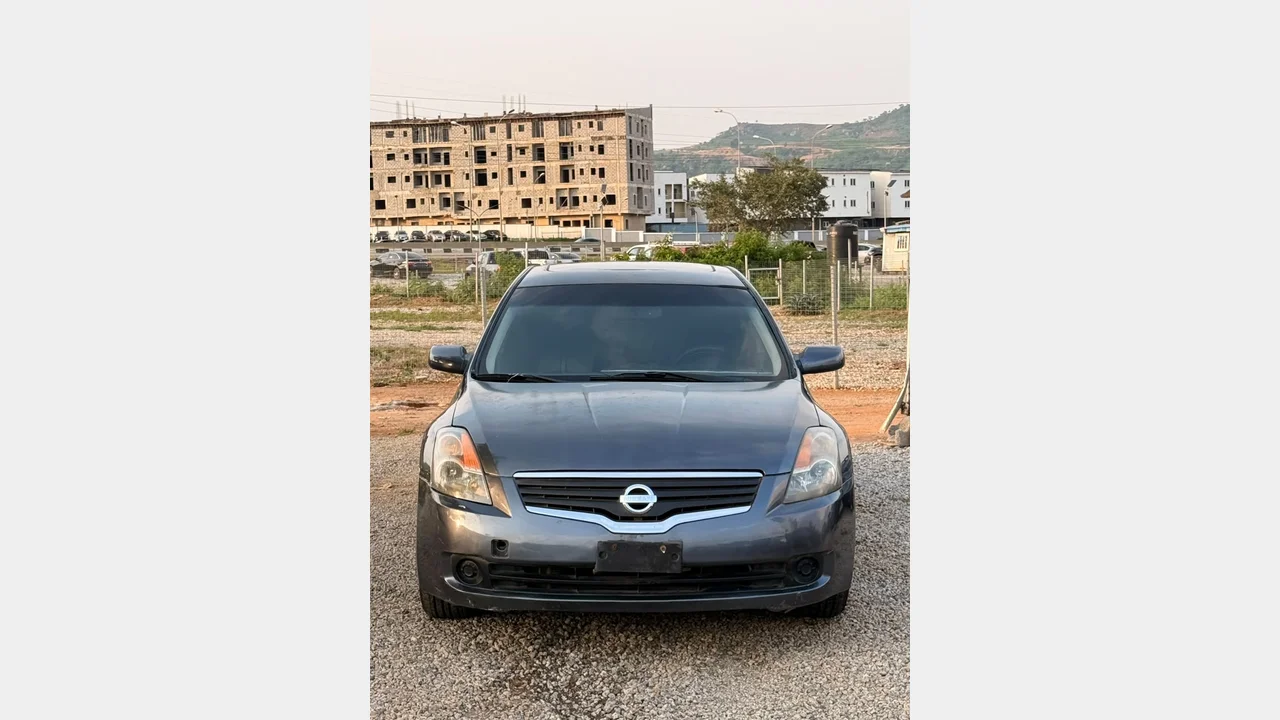
Water inside a 2007–2012 Nissan Altima often points to the sunroof drainage system rather than a failed seal. These Altimas route rainwater through narrow channels and flexible tubes that carry it away from the roof opening and release it near the body. When the path becomes blocked or disconnected, water backs up and soaks the headliner, carpet, or front footwells. Knowing where the drain tubes run helps you interpret the first signs of a leak and decide whether a simple cleaning or closer inspection of the tube connections is the right next step.
Essential answer
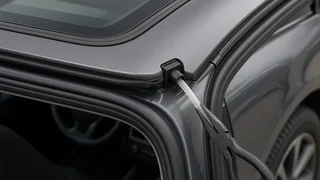
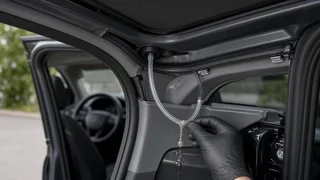
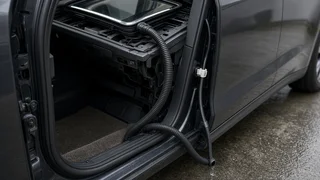
On these Altimas, the essential answer is that the sunroof drain tubes typically begin at the front and rear corners of the sunroof frame, then run inside the roof pillars and down toward the lower body openings. The front tubes usually follow paths near the windshield pillars, while the rear tubes route toward areas behind the rear side glass or near the rear wheel openings. Their exact routing can vary with the body style and the way the headliner is assembled, so a wet area gives you a clue about which drain may be involved.
A sunroof does not form a fully watertight hatch; it depends on a perimeter gutter that collects water and sends it down the drains. When a front drain is closed or disconnected, water often appears near the base of the A-pillar, the kick panel, or the front carpet. A rear restriction tends to show up as dampness along the back of the cabin or in the rear footwell. Interpreting the wet area as part of the drainage path is more useful than assuming the glass seal alone has failed.
Identification and location
To identify the drain outlets, look closely at the door openings and lower body edges with the doors open. The front tube ends are generally concealed behind the front wheel area or near the hinge pillar, and their position may be hidden by a splash shield or plastic inner fender liner. If you can safely inspect the sunroof tray with the glass open or tilted, you may see small holes in the front corners where water enters the vertical tubes. Debris here is a common reason the route becomes slow.
Because the hardware can be hidden behind trim, headliner material, and weather seals, vehicle-specific confirmation for the applicable configuration is important. A soft nylon line or controlled low-pressure air is sometimes used to test the path, but avoid forcing objects into the rubber or plastic line without knowing its condition. A stained headliner border, damp seat belt webbing, or water tracks inside a door aperture can help distinguish a blocked front tube from a rear drain problem before removing interior panels.