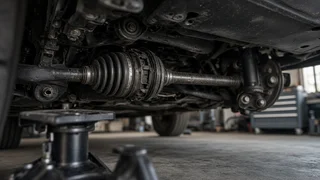
Nissan Almera Inner CV Joint
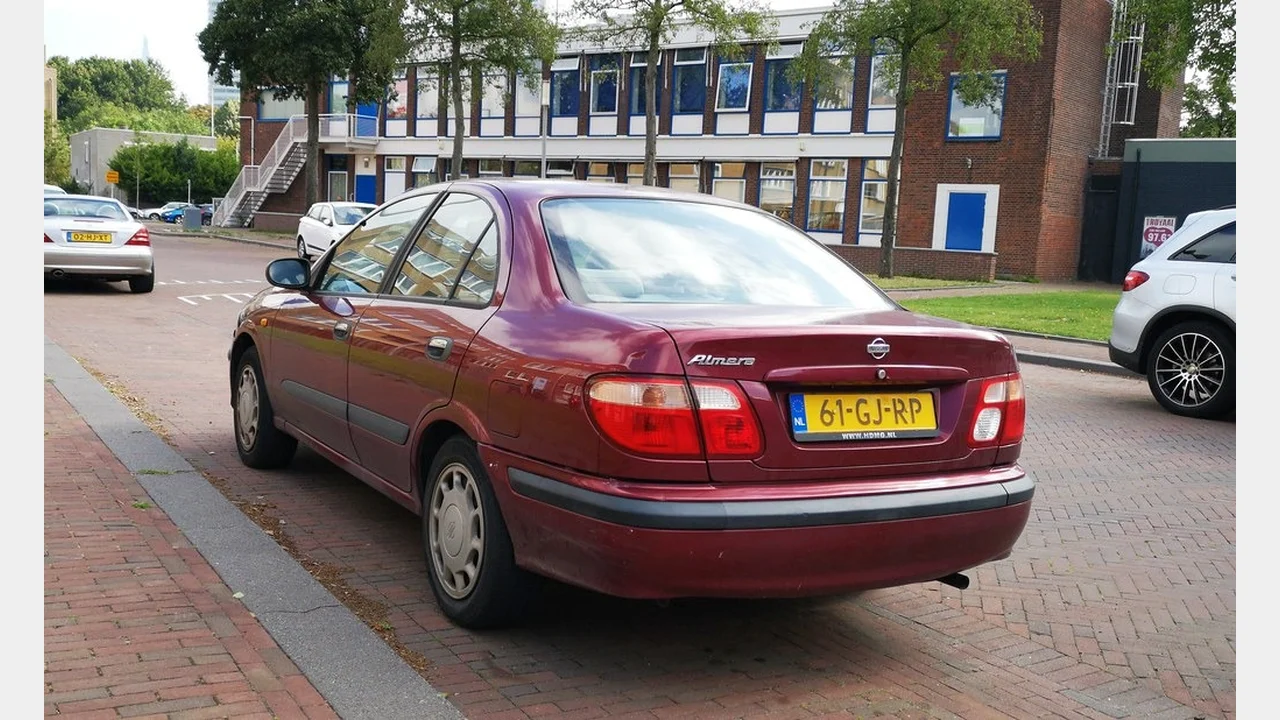
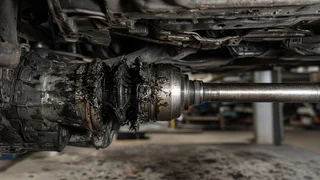
A worn Nissan Almera inner CV joint usually reveals itself through vibration under acceleration, clicking during tight turns, or grease slung near the inner boot. Pinpointing the correct replacement means checking the model year, model generation, trim level, powertrain configuration, body style, and market specification, because axle dimensions and flange fitment vary across production ranges. A replacement joint should match the original shaft, transmission interface, and boot hardware. The following guidance explains what to inspect before buying and why a fault code alone does not prove which component has failed.
The direct answer
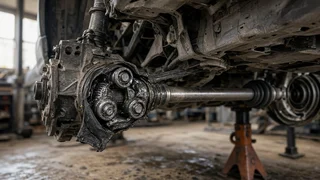
The immediate choice is to match an inner CV joint to your specific Almera series, engine, transmission, and which side is worn. Inner joints handle plunge and angular movement where the axle meets the differential or intermediate shaft, so spline count, housing diameter, and retaining method matter. Before ordering, identify whether the car uses a tripod or ball-type inner joint and compare the old unit’s overall length and boot groove profile. A joint listed for the wrong market specification or body style may look similar but can bind or leak after installation.
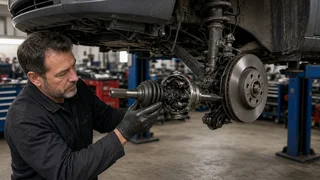
A fault code indicating a speed sensor or ABS issue can sometimes appear when damaged tone rings or excessive inner joint play disturb the signal, but the code is not proof that the joint is the direct cause. Check for torn boots, contaminated grease, and movement at the inner housing before suspecting the shaft assembly. If the joint feels notchy or shows visible rust from water entry, replacement is usually appropriate. Confirm the replacement part’s transmission-side fitment with the model generation and powertrain configuration rather than relying on a front-wheel-drive Almera label alone.