NIO Chinese cars
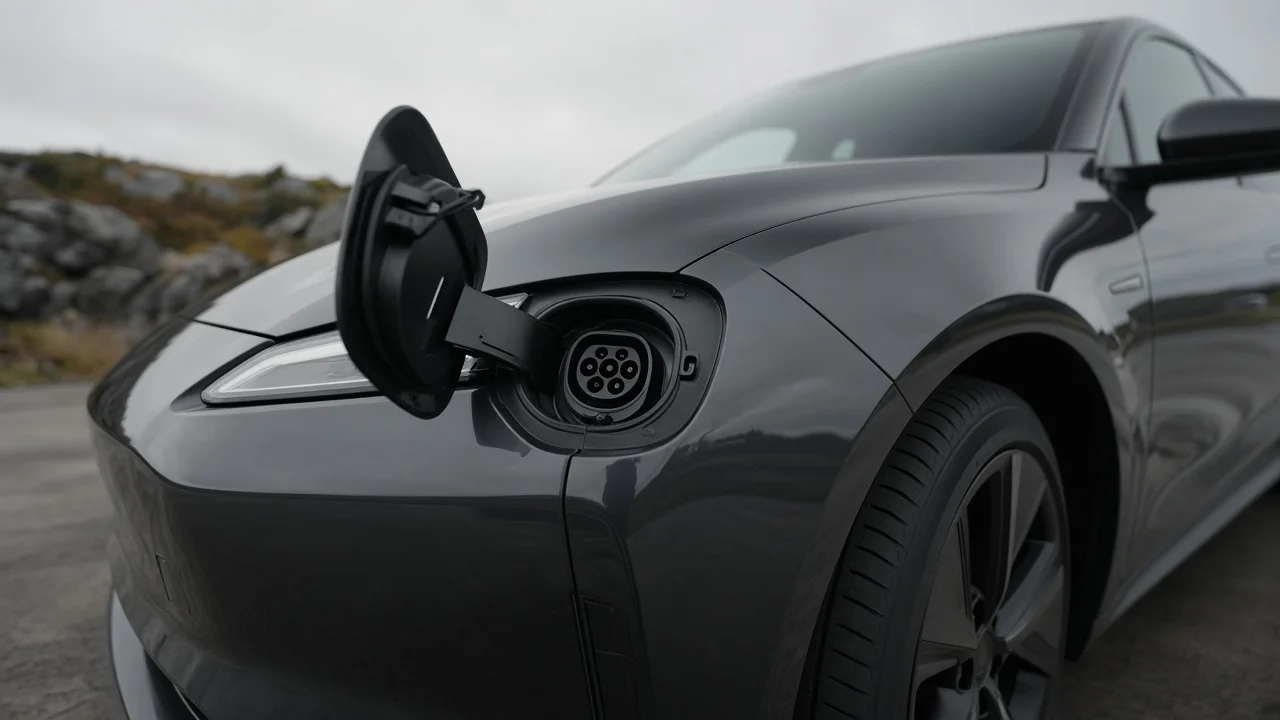
For many American drivers, NIO represents a new approach to premium electric mobility emerging from China. The company pairs distinctive battery-swapping technology with connected vehicle software and a design language aimed at global markets. Understanding what this car brand offers requires separating its actual positioning from broader assumptions about Chinese vehicles. The question is not simply where the car is built, but how its ownership model, powertrain flexibility, and market presence differ from familiar electric vehicles sold in the United States.
Essential answer
NIO is a Chinese automotive manufacturer focused on premium electric vehicles, and the phrase “nio chinese car” captures its origin rather than a single model or body configuration. Its lineup has centered on SUVs and sedans positioned in a market segment comparable to upscale electric offerings from established luxury brands. Unlike a conventional import strategy, the company emphasizes direct customer experience through branded spaces, digital services, and a battery ecosystem. Because regional availability varies, a shopper encountering NIO in international media should understand that the vehicle’s equipment level and support structure depend heavily on the specific market where it is sold.
The most accurate essential answer is that NIO is a technology-driven Chinese electric vehicle brand, not one fixed product. Powertrain options have included standard chargeable batteries as well as a subscription-based battery-as-a-service arrangement, while model year revisions alter design and hardware features. This means two vehicles carrying the NIO badge can differ in purchase logic and daily recharging behavior. For readers researching prices or availability in the United States, market access is not guaranteed by the brand’s existence elsewhere, so any ownership decision requires checking the actual regional launch status and service footprint before assuming a direct comparison with domestic electric cars.