Nevada Salvage Title Application: What It Is and How the Process Works
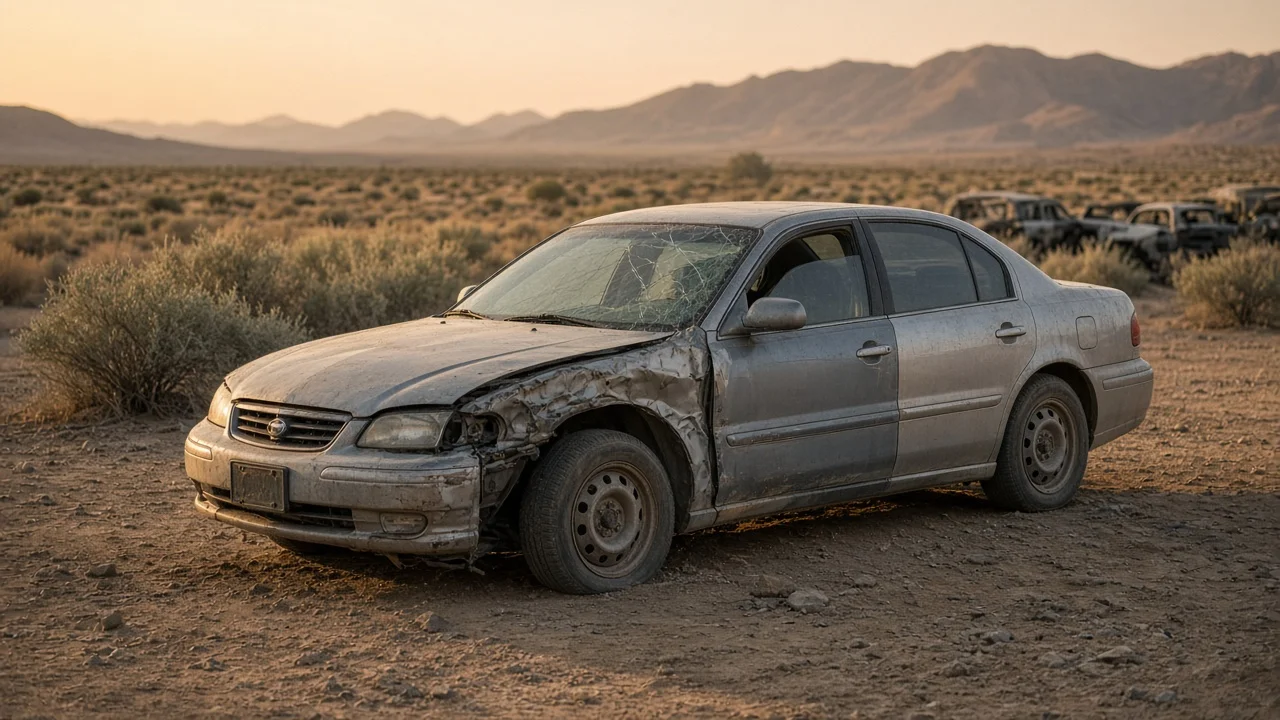
A Nevada salvage title is a branded certificate of title for a vehicle that has been declared a total loss or damaged badly enough that it no longer qualifies for a clean title. The salvage title application is how that change is recorded with the Nevada Department of Motor Vehicles (DMV). The application is usually filed by an insurance company after a total-loss settlement, but a registered owner who keeps a damaged vehicle may also need to file one. The salvage brand stays on the vehicle's ownership record. A salvage-titled vehicle generally cannot be registered for road use until it has been repaired, inspected and retitled under the state's rebuilt process.
What a salvage title means in Nevada
A title brand is a permanent notation on a vehicle's title that describes its history. Common brands include salvage, rebuilt, flood and nonrepairable. In Nevada, as in most states, a salvage brand tells future buyers, lenders and insurers that the vehicle was once considered uneconomical to repair. Usually the reason is that repair costs approached or exceeded a set share of the vehicle's value, or an insurer paid out a total-loss claim.
The exact damage threshold and the legal definitions are set by Nevada statute and DMV regulation, and they can change. If your situation depends on whether a vehicle crosses that threshold, check the current definition with the Nevada DMV rather than relying on figures quoted in general articles or other states' rules.
Who files the salvage title application
Insurance companies: when an insurer declares a vehicle a total loss and takes ownership, it typically handles the salvage title application as part of the settlement. Owners who retain a totaled vehicle: if you accept a settlement but keep the vehicle, you may be responsible for applying for the salvage title yourself, or the insurer may start the process and require your cooperation. Owners of uninsured damaged vehicles: if a vehicle meets the state's salvage criteria without an insurance claim, the owner may still be required to obtain a salvage title before selling or rebuilding it. Dealers, dismantlers and salvage buyers: businesses that acquire damaged vehicles often handle the title conversion as part of their licensed operations.
Documents typically involved in the application
The specific form and supporting paperwork are set by the Nevada DMV and may be updated, so treat the following as a general outline of the documents involved rather than a definitive checklist.
The current certificate of title, or other proof of ownership if the title is held by a lienholder or was issued in another state. The vehicle identification number (VIN), the 17-character code that uniquely identifies the vehicle. It must match across all documents. Identification and details for the registered owner and any party taking ownership, such as the insurer. A lien release or lienholder authorization if the vehicle has an outstanding loan. Insurance settlement or total-loss documentation, where an insurer was involved. An odometer disclosure, where the vehicle's age and type make one required. The current registration certificate and license plates, which may need to be surrendered or cancelled because a salvage vehicle generally cannot remain registered for road use. Payment of the applicable title fee.
How liens affect a salvage title
A salvage brand does not erase a loan. If a lender holds a lien, it usually holds the title or has an electronic interest recorded on the ownership record. In a total-loss claim, the insurer typically pays the lienholder first, and the lienholder then releases its interest so the salvage title can be issued to the new owner. If you keep a totaled vehicle that still carries a loan, expect to coordinate with both the insurer and the lender. The salvage title cannot normally be issued free of the lien until the lender releases it.
Salvage, nonrepairable and rebuilt status compared
Status | What it generally indicates | Road use; Salvage | Vehicle was totaled or seriously damaged but may be repaired | Not registrable for road use until rebuilt and inspected; Nonrepairable | Vehicle is suitable only for parts or scrap | Generally cannot be retitled for road use; Rebuilt | A former salvage vehicle that was repaired and passed the required inspection | Can be registered, with the rebuilt brand kept on the title
The main difference is what can happen next. A salvage title leaves open a path back to the road through repair and inspection. A nonrepairable designation generally closes that path. A rebuilt title shows that the path was completed, while the vehicle's history remains part of its permanent record.
Moving from salvage to rebuilt
To return a salvage vehicle to the road in Nevada, the owner generally completes the repairs and then applies for a rebuilt title. This usually involves an inspection to confirm the vehicle's identity and roadworthiness. It also involves documenting the repairs, often with receipts or bills of sale for major replacement parts, so the state can confirm no stolen components were used. Once approved, the vehicle receives a rebuilt-branded title and can be registered. The exact inspection type and paperwork are set by the DMV, so confirm the current requirements before starting repairs.
Out-of-state salvage vehicles and jurisdiction
Title branding rules vary by jurisdiction, and a vehicle branded in one state usually keeps an equivalent brand when it is titled in another. If you bring an out-of-state salvage vehicle into Nevada, expect the Nevada title to carry a corresponding brand and expect a VIN inspection as part of the transfer. Because states define and label damage categories differently, the translation is not always one-to-one. Ask the Nevada DMV how a specific out-of-state brand will be recorded before buying.
What a salvage title means for buyers and owners
Value: branded vehicles typically sell for noticeably less than comparable clean-title vehicles, and the brand follows the vehicle through future sales. Insurance: some insurers limit coverage on salvage or rebuilt vehicles, for example by offering only liability coverage. Financing: many lenders are reluctant to finance branded-title vehicles. Disclosure: a salvage or rebuilt history should be disclosed when selling, and the brand appears on the title and in common vehicle history reports. Condition: a title brand describes history, not current condition. An independent mechanical and structural inspection is still worthwhile before buying a rebuilt vehicle.
Practical next steps
If your vehicle has just been declared a total loss, ask your insurer whether it will file the salvage title application or whether you must, especially if you plan to keep the vehicle. Gather the title or lien information, confirm that the VIN matches on every document, and check the Nevada DMV's current form, fee and inspection requirements before you submit. If you are considering buying a salvage vehicle, decide first whether you intend to rebuild it, and understand the rebuilt-title process and its costs before you commit.