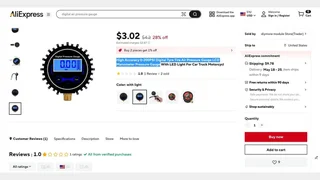
NASCAR Tire Pressure Gauge
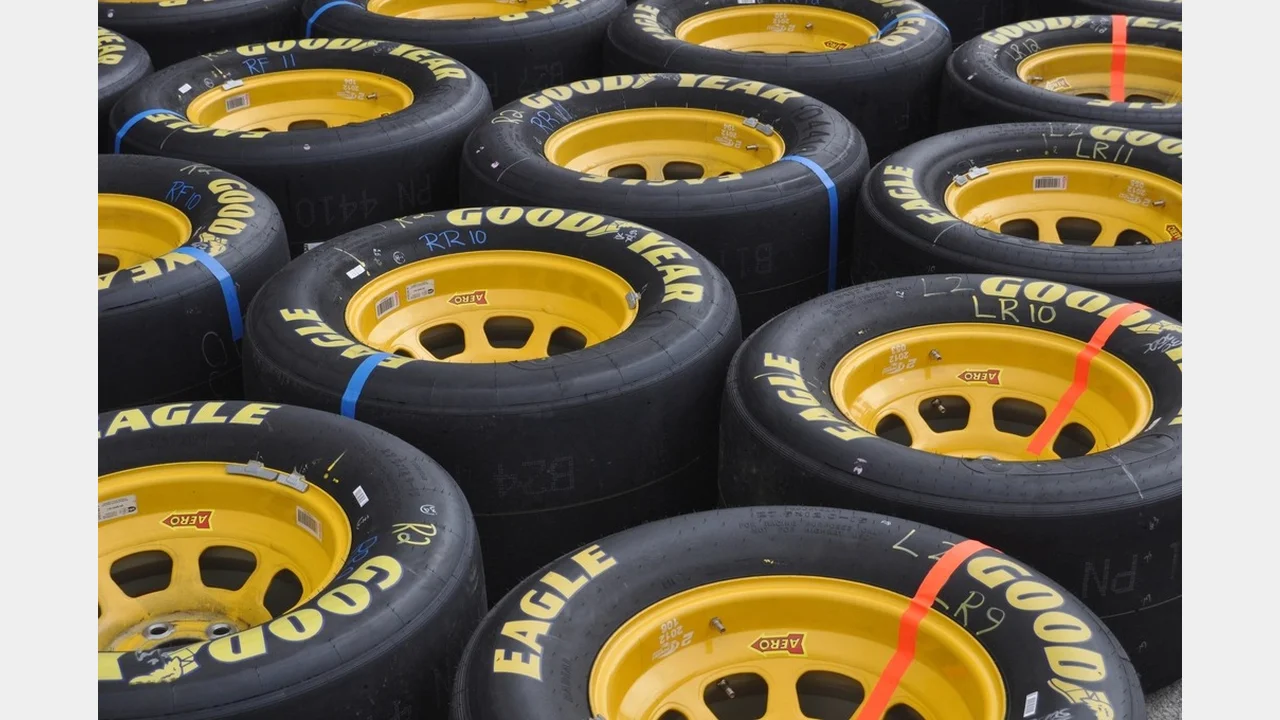
A NASCAR tire pressure gauge search usually means a buyer wants a low-pressure instrument that is quick to read, stable on the valve, and consistent across repeated checks. Because race-style setups and some tow or track vehicles run pressures well below typical street tires, the gauge must perform cleanly in a lower measurement range. Units, connection feel, accuracy, and calibration behavior all affect whether a reading is useful. Shopping decisions should focus on a clear scale, a secure chuck, and a range that fits the intended tires.
The direct answer
Choose a gauge with a measurement range that puts the expected tire pressure near the middle of its scale, not pinned at the bottom. Analog gauges with a full-scale reading appropriate for lower pressures are often easier to interpret at a glance. Digital gauges may offer clearer numbers, but accuracy still depends on sensor quality and stable contact. For most race-oriented checks, the immediate priority is repeatability, because two quick readings should match closely enough to guide an adjustment rather than create doubt.
The connection at the valve matters as much as the dial. A chuck that seals firmly without excessive leakage gives a more representative reading, especially when space around the wheel is tight. Calibration can drift on any gauge that is dropped or stored in a hot trailer, so occasional comparison against a second known gauge is sensible. Without a supplied vehicle specification, treat tire pressure targets as range-based guidance rather than a single fixed number.