Motorcycle Tire Tread Depth Gauge
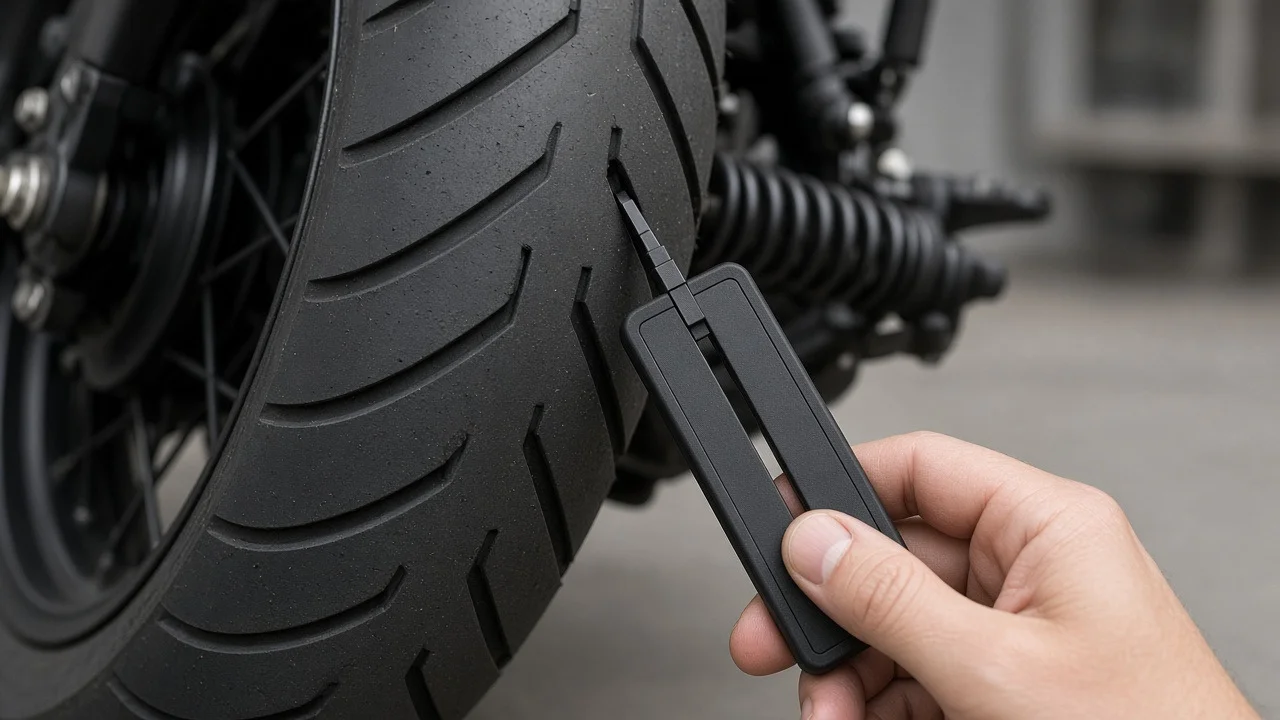
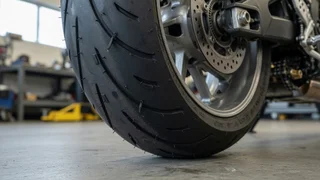
A motorcycle tire tread depth gauge turns a quick inspection into a measurable wear check, which is especially important when only a small contact patch keeps the bike stable. Riders researching this tool often need a gauge that reads shallow tread accurately, fits between tread blocks, and produces repeatable results before a tire reaches the wear indicator. Choosing the right design matters because tire size, inflation pressure, load index, and speed rating all influence how quickly tread disappears. The best gauge is simple to use on curved motorcycle tires and clear enough for garage lighting.
The direct answer
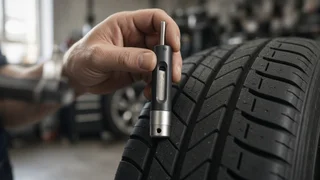
A motorcycle tire tread depth gauge is the most direct way to judge remaining rubber because the tread pattern is shallower than many car tires and visual checks can hide uneven wear. The tool presses a probe into the groove and shows the remaining depth on a dial, digital display, or marked slide. That reading should be compared with the tire's built-in wear bars and the minimum depth appropriate for riding conditions. Since motorcycle tires work hard even when tread looks present, measuring several points around the circumference gives a more accurate picture than checking one spot.
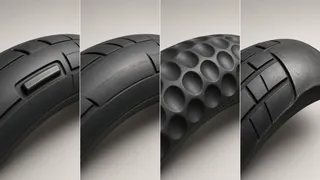
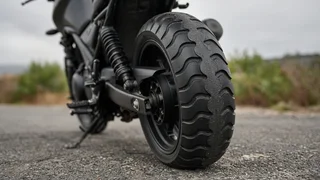
The condition that changes the answer is whether you need a gauge for typical road use or for tires with tight, curved tread grooves. A bulky probe may bridge across high spots or fail to reach the bottom of a narrow groove, producing an optimistic number. Similarly, a tire inflated below the pressure shown on the vehicle placard can flex more and wear in a way that makes center and shoulder measurements differ significantly. For a useful purchase, look for a gauge with a narrow probe, a readable scale, and a shape that sits squarely against the curved tread surface.