Mopar in-tank fuel pump
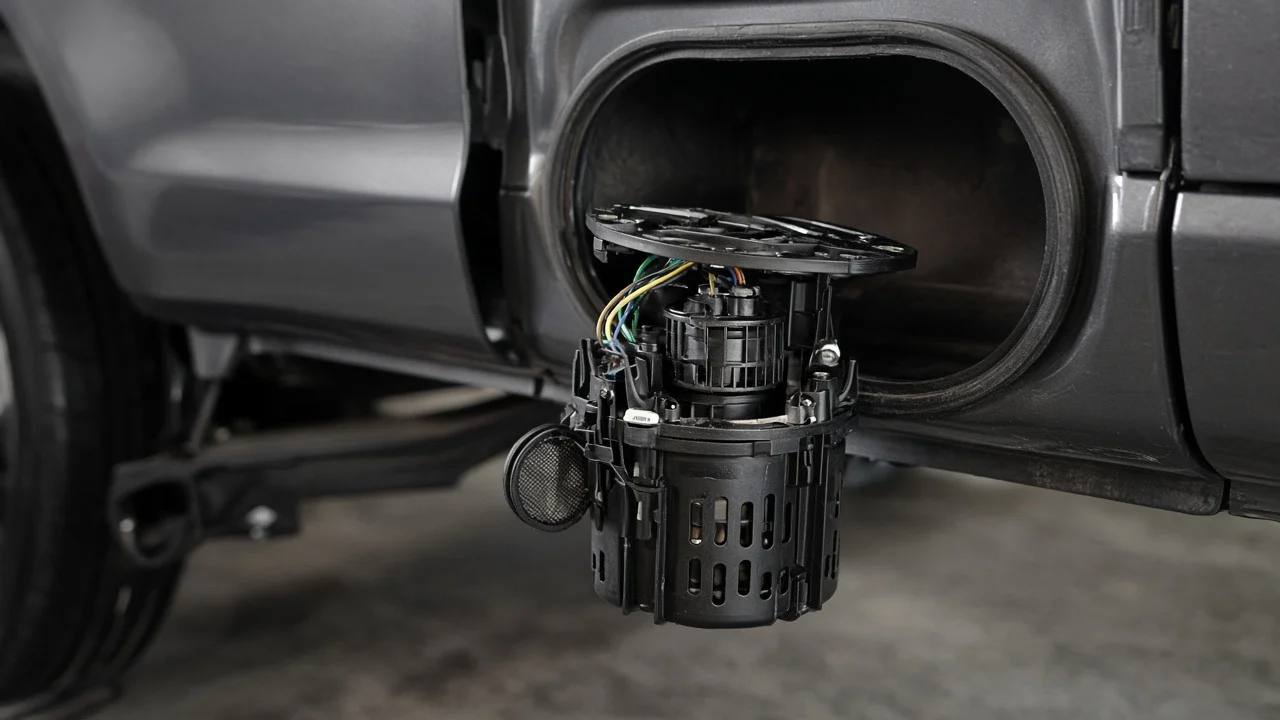
Choosing the right Mopar in-tank fuel pump matters when a vehicle cranks but hesitates or loses power under load, since these symptoms often point to insufficient fuel pressure rather than a failed injector or clogged fuel filter alone. The pump assembly sits submerged in the tank, where fuel cools and lubricates it while it delivers a steady stream through the lines. Before ordering a replacement, consider the engine configuration and whether a drop in fuel trim, a leak check result, or an aging pump better explains the observed behavior.
The direct answer
A Mopar in-tank fuel pump is generally the appropriate choice when you want an assembly engineered to fit the original fuel module and meet the pressure range expected by your engine management system. The direct answer is to match the pump to the vehicle's original equipment design and confirm the complete assembly type, because the in-tank unit works together with the sending unit, strainer, and often the pressure regulator. Swapping in a universal pump may save money initially, but it can create fitment trouble or deliver uneven flow that shows up as lean fuel trim readings.
The condition that materially changes this answer is the source of the fault. A pump should not be replaced merely because a fault code or drivability complaint appears. First verify that the fuel filter is not restricted, the electrical feed and ground are sound, and a leak check at the injector rail or line does not reveal a pressure loss elsewhere. If those tests point to a worn pump, the Mopar in-tank unit is a sensible purchase for restoring stable delivery under acceleration and hot-soak conditions.