Mitsubishi SUV models
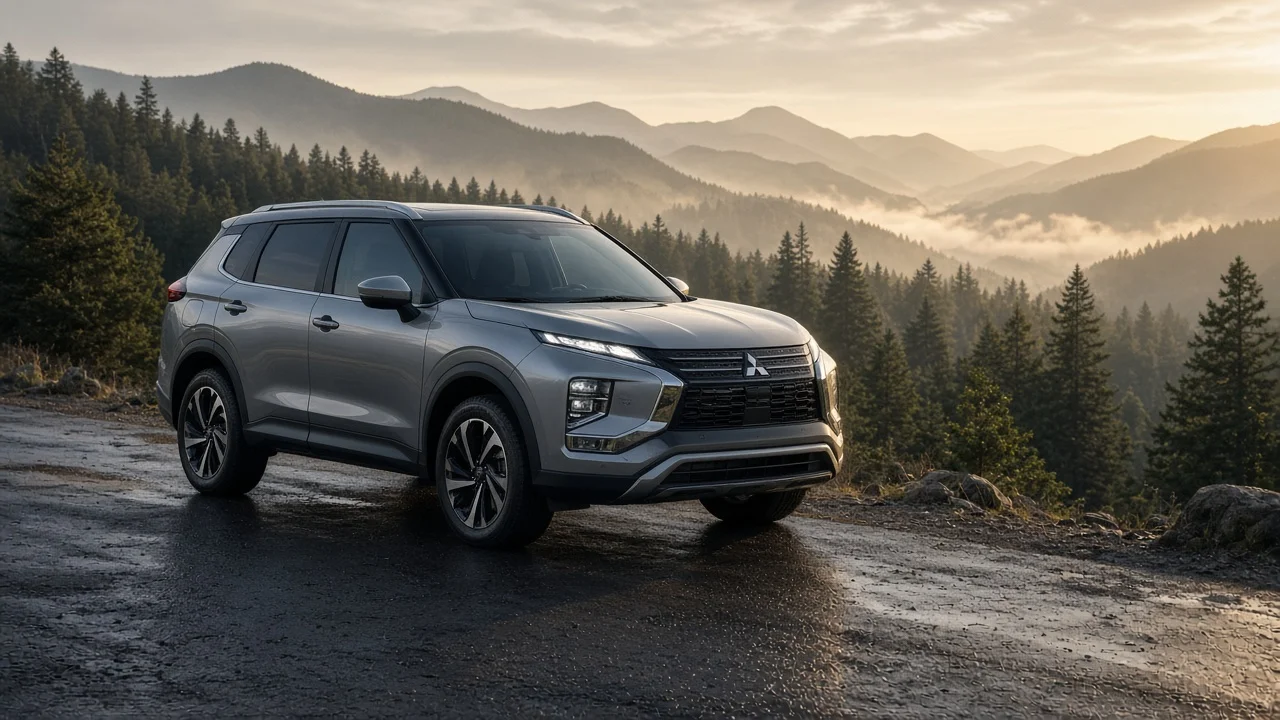
Choosing among Mitsubishi SUV models means looking beyond a shared badge to see how each body style and vehicle configuration serves different ownership needs. Shoppers often compare passenger space, cargo access, and expected operating conditions when narrowing a search. Mitsubishi has offered compact and three-row crossovers, with design choices that affect daily usability, traction behavior, and long-term comfort. The following overview explains the essential scope of the lineup and the practical differences that matter when evaluating a purchase in the United States.
Essential answer
The essential answer is that Mitsubishi markets a small range of SUV models rather than a sprawling lineup, and the useful distinction among them comes down to size, seating capacity, and intended use. A shopper researching Mitsubishi car models SUV generally encounters compact crossovers built for efficiency and easier maneuvering, as well as larger three-row options that prioritize passenger space. Because the brand has consolidated its offerings in the US market, the answer is not a long list but a focused comparison of two or three core nameplates with different vehicle configurations.
That compact versus three-row split matters because it changes daily ownership in concrete ways. A smaller crossover typically brings easier parking, lighter steering effort in urban settings, and simpler cargo access through a rear liftgate. A larger SUV adds a third row and more enclosed volume, which can be valuable for families, but it also changes operating conditions such as fuel consumption, turning radius, and garage fit. Understanding that scope helps a buyer avoid choosing a model based on styling alone and instead match the body style to real passenger space and cargo demands.