Mitsubishi Fuso car carrier
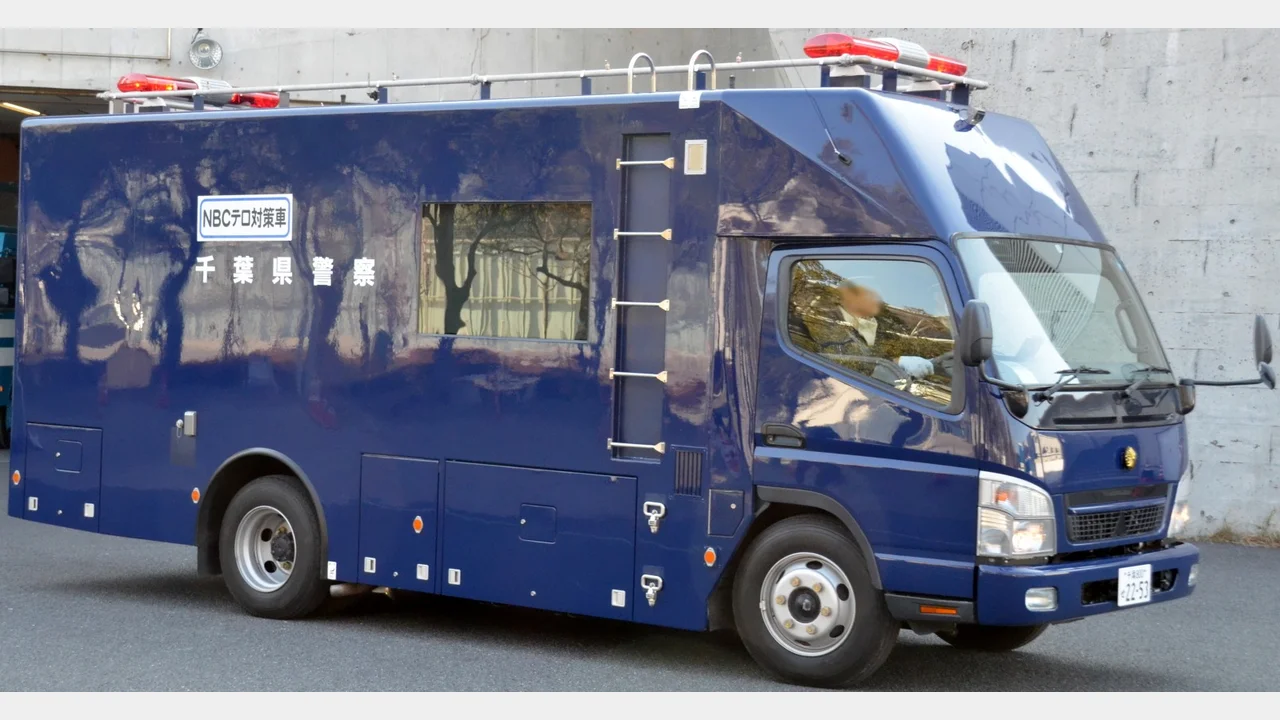
A Mitsubishi Fuso car carrier is not one factory-built passenger vehicle but a commercial truck chassis, usually from the Canter, Fighter, or Super Great model generation, fitted with a specialized transporter body. The term describes a body style used to move passenger cars and light trucks between auctions, dealerships, ports, and repair facilities. Because the final configuration depends on the upfitter and market specification, two carriers with the same Fuso cab can differ substantially in deck layout, winch placement, hydraulic controls, and load rating. The powertrain configuration also changes with model year and regional duty cycle, so the practical question is less about the badge and more about how the chassis, deck, and operating environment work together.
Essential answer
In direct terms, a Mitsubishi Fuso car carrier is a medium- or heavy-duty cab-chassis truck that has been converted into a multi-level vehicle transporter. The Fuso portion supplies the steering, braking, frame, engine, and transmission, while a body builder adds the tilting decks, ramps, tie-down points, and hydraulic lift system. This split is important because the trim level and body style of the original truck do not automatically define the finished carrier. A used example may carry a Fuso cab and a completely separate brand of deck equipment, so an inspection has to evaluate the truck and the upfit as two connected but independently built systems.
A practical distinction is the intended operating pattern. A local dealer trade hauler may use a lighter Fuso chassis with a fixed two-car deck and manual ramps, while a port or auction transporter often needs a longer wheelbase, hydraulic sliding axles, and a three-car wedge layout. The model generation and market specification influence axle ratings, cab configuration, and emissions equipment, but the body builder determines how many vehicles actually fit and how they are loaded. Anyone researching the term should therefore avoid comparing only cab badges and instead confirm the installed deck length, lift capacity, and loading height against the vehicles they actually plan to transport.