Mitsubishi Eclipse Cross
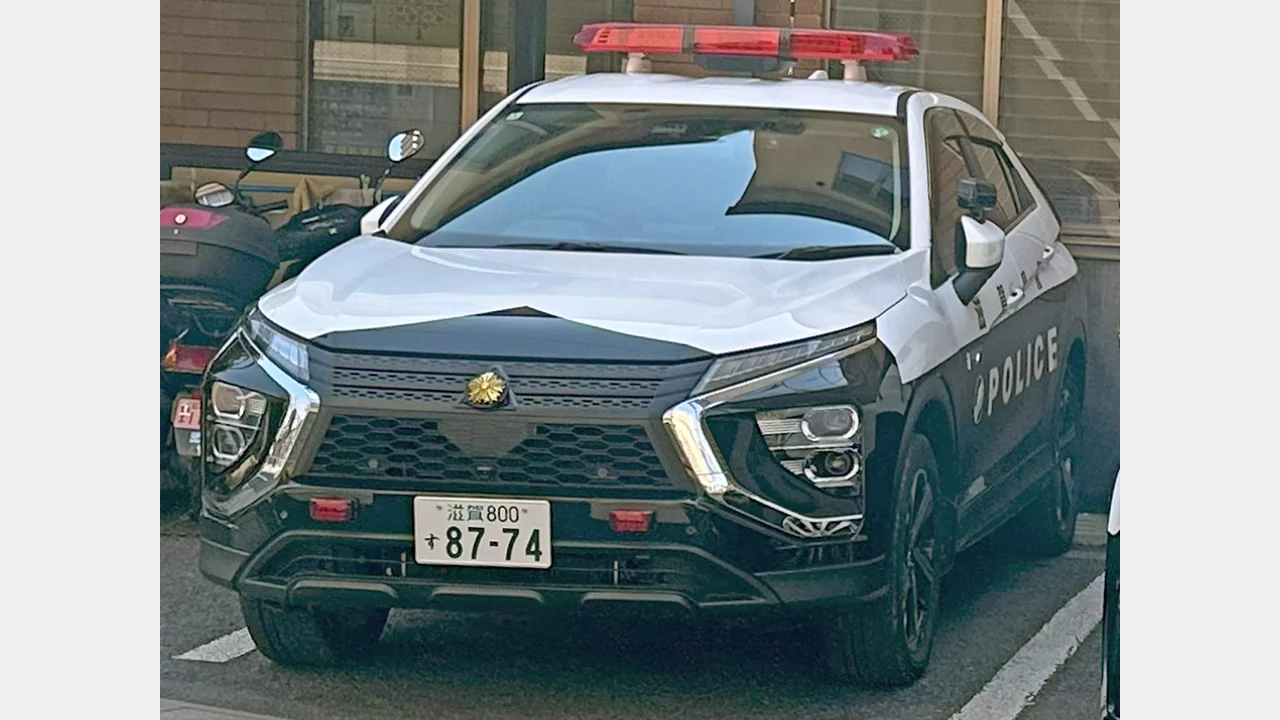
The Mitsubishi Eclipse Cross occupies an unusual space in the compact crossover segment, reviving a name once attached to a sport coupe and applying it to a tall, all-wheel-drive-capable utility vehicle. Shoppers asking what car the Mitsubishi Eclipse Cross is are usually comparing it with popular small SUVs and trying to understand where it fits by body style, powertrain configuration, trim level, and model generation. The answer is not a single fixed description, because the vehicle changed from its first model years to the updated version sold later. Its value depends on how much importance you place on styling, standard all-wheel drive, warranty coverage, and everyday usability rather than class-leading refinement.
Essential answer
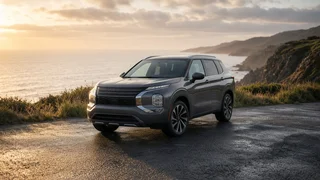
The Mitsubishi Eclipse Cross is a compact crossover SUV, not a revival of the former Eclipse coupe. It seats five passengers and uses a four-cylinder gasoline engine paired with a continuously variable automatic transmission. Depending on the model year and trim level, power reaches the front wheels only or through Mitsubishi’s Super All-Wheel Control system. A distinctive split rear window and a fast-sloping tailgate visually separate it from boxier competitors, but the platform and overall footprint place it between subcompact and compact utility models.
Its identity also changes across the model generation. Early examples introduced the nameplate with one front-end treatment and a simpler infotainment layout, while a significant refresh brought revised exterior lighting, a different touchscreen position, and updated driver assistance features. Because market specification can alter available equipment, a used example may have options that were standard in another region or absent in a different trim. For a buyer, the essential answer is that it is a practical compact crossover with a coupe-inspired roof line, not a sports car.
How it works
The Eclipse Cross works by combining a small-displacement turbocharged four-cylinder engine with a continuously variable transmission. The turbocharger helps produce useful midrange torque without relying on a large engine, which keeps the vehicle relatively light and compact. The CVT varies its drive ratio continuously instead of stepping through fixed gears, allowing the engine to stay near an efficient speed during normal acceleration. In all-wheel-drive models, the system can shift torque between the front and rear axles based on wheel slip and steering input.
The practical effect is that the powertrain feels smooth in gentle commuting and relaxed on highways, though hard acceleration can produce the sustained engine speed sound typical of a CVT. The raised body and available all-wheel drive provide the higher seating position and wet-road confidence that crossover buyers expect. The suspension is tuned more for control than plush isolation, meaning the ride communicates surface changes without being punishing. This operating character matches a vehicle intended for all-season versatility rather than aggressive driving.
Strengths, limitations and suitability
The Eclipse Cross suits buyers who want a compact footprint, a higher driving position, and the option of all-wheel drive without moving to a larger SUV. Its strongest case is usually value: Mitsubishi has often positioned the model with a long warranty and a lower base price than some mainstream rivals. The refreshed versions also added a more conventional touchscreen placement and improved cabin materials, making daily use easier. For snowbelt commuters, the availability of Super All-Wheel Control on lower trims can be a significant benefit compared with competitors that reserve all-wheel drive for expensive packages.
Limitations become clear when judged against the best-selling compact crossovers. The rear roofline reduces cargo height and rearward visibility, and the cargo area is smaller than some boxy alternatives. Road and wind noise can be more noticeable on coarse pavement, and the CVT is not as responsive as a traditional automatic under full throttle. It is best suited to buyers who prioritize price, warranty, and standard all-weather capability over maximum cargo volume, premium interior quietness, or the sporty image suggested by the Eclipse name.
Procedure
Before operating an Eclipse Cross, adjust the seat and steering wheel so you can see the instrument cluster and reach the pedals comfortably. Use the drive mode or all-wheel-drive selector, if equipped, according to the surface: a snow or gravel setting can improve traction, while a normal or eco mode favors smooth pavement and efficiency. When carrying tall cargo, fold the rear seatbacks using the releases in the cargo area or on the seat shoulders, then check that the load floor and liftover height suit the items you need to carry.
For routine care, verify the recommended fuel grade, oil specification, and tire pressures listed for your specific model year and trim on the driver’s door jamb or owner’s manual. Check the rear window and split glass before winter operation because the rear wiper path and defroster coverage may affect visibility. After filling the fuel tank, confirm the cap is tightened until it clicks so the evaporative emissions monitor can complete its self-check. A completion check is simple: start the engine, confirm no warning lights remain, and take a brief drive to verify that transmission operation and braking feel normal.
Diagnosing a problem
If an Eclipse Cross shows a check-engine light, a stored diagnostic trouble code is only the beginning of a diagnosis, not proof that a specific sensor or part has failed. The code points to a circuit or system where the engine control module detected an implausible value, but the cause can be a connector, wiring fault, vacuum leak, or contaminated fuel. Because manufacturer-dependent definitions can vary by model year and engine calibration, the exact code should be confirmed with a scan tool and repair information specific to the vehicle before replacing anything.
Observable symptoms help narrow the cause. For example, a rough idle with a fuel-trim or misfire code may suggest an intake leak or ignition problem, while a transmission-related complaint on a CVT model may require checking the transmission fluid level and condition at the specified temperature. If the vehicle enters a reduced-power mode, overheats, loses brake assist, or shows a flashing warning, continued driving can worsen the fault and create a safety risk. In those cases, slow down, pull over when safe, and arrange professional diagnosis rather than guessing at a repair.