Mitsubishi dealerships
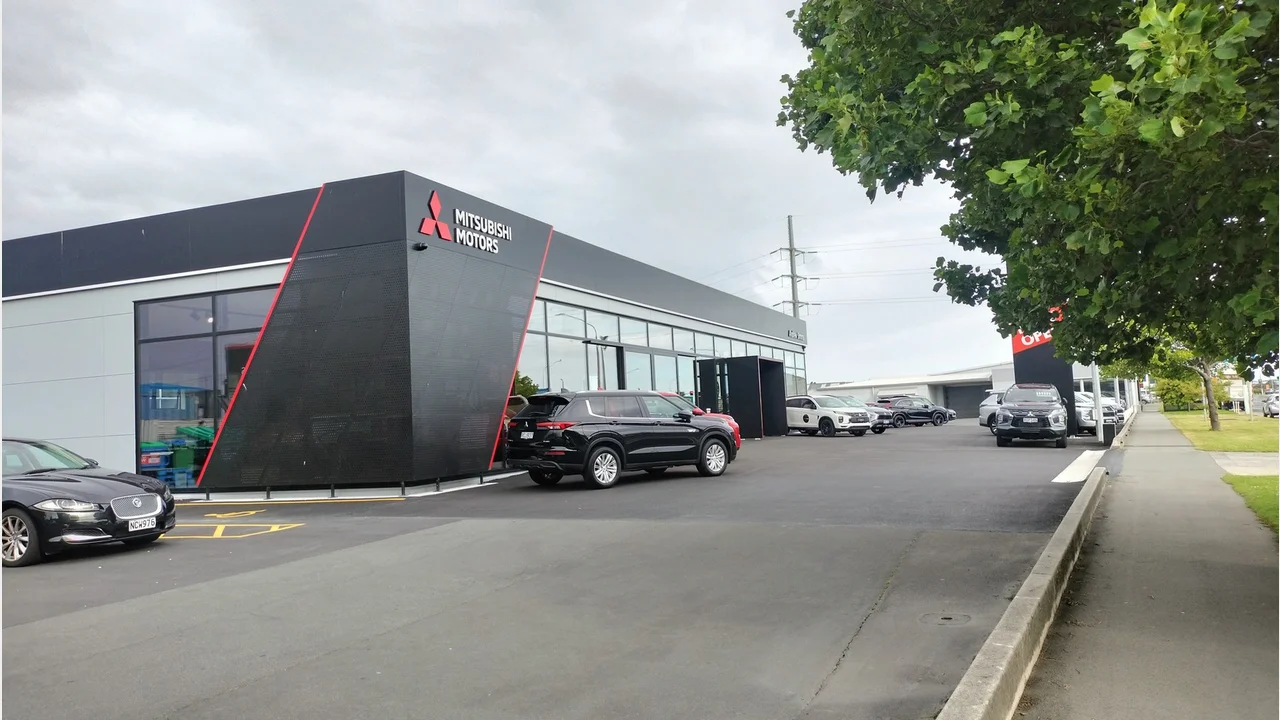
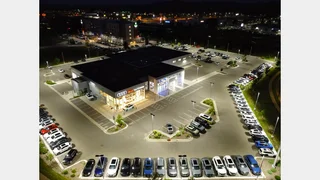
A Mitsubishi car dealer serves as the primary retail gateway to the brand's crossover, SUV, and electrified lineup, but the dealership choice shapes more than the sale price. Shoppers comparing a Mitsubishi car dealership with independent lots should weigh how franchise access affects available inventory, certified used programs, and post-purchase support. The term often implies a navigational search for a nearby authorized location, yet the practical outcome depends on matching a specific lot's used stock, service capacity, and willingness to negotiate against a buyer's particular needs.
Essential answer
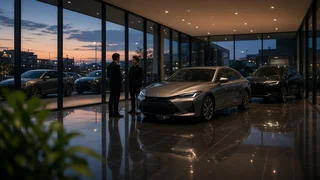
A Mitsubishi car dealer is an authorized retail business that sells new Mitsubishi models and typically maintains a parts and service department. The core value of using a branded dealership lies in access to factory-backed warranty administration, technician training, and model-specific diagnostic resources. Because dealerships operate under franchise agreements, they usually carry the newest trim levels and can often source a specific color or option combination through regional inventory. Independent used lots may offer the same badge at a lower listed price but generally cannot provide the same depth of brand-specific reconditioning or warranty claims handling.
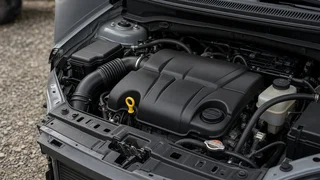
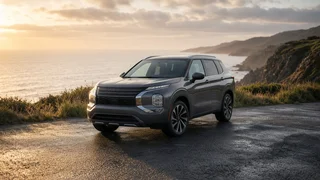
Evaluating a Mitsubishi car dealership should begin with the condition and mileage of the specific vehicle, not merely the showroom's appearance. A thorough inspection remains important even for certified pre-owned units, since wear items and prior repair quality vary. Comparable vehicles on other lots establish a realistic price range, while a careful look at trim level differences explains why two similar-looking SUVs are priced apart. Ownership costs such as fuel economy, insurance, and scheduled service are best estimated from the exact powertrain and equipment rather than from the dealership's general reputation.