Car dealerships in Japan
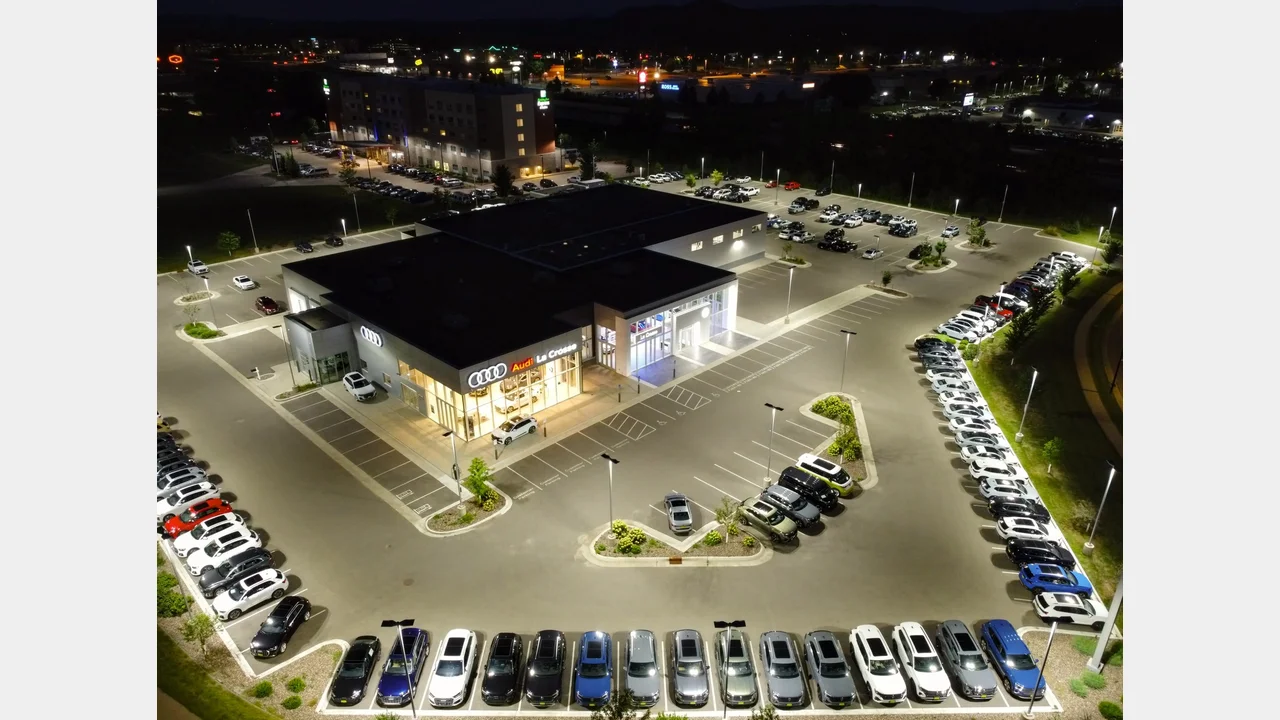
Visiting or moving to Japan often changes how buyers think about acquiring a vehicle. The dealership system there blends dense urban lots, detailed inspections, and a strong domestic used-car culture. For US readers, understanding this landscape helps set realistic expectations about vehicle history, mileage, condition, trim level, and ownership costs. The model differs from a typical American franchise store: paperless auctions, shaken roadworthiness checks, and compact kei cars shape inventory. This overview explains what a Japan car dealership is, how buying works, and how it relates to comparable vehicles sold for export or local registration.
Essential answer
Car dealerships in Japan are retail and auction-linked businesses selling new and used vehicles under a licensing and inspection system tied to roadworthiness, not proof that any specific car is flawless. A dealership primarily functions as a regulated storefront where buyers register ownership changes, pay road tax and weight tax, and arrange the compulsory liability insurance and optional coverage. For many used cars, the dealership also acts as the interface with auction houses, inspecting vehicles and grading their body condition, mechanical health, mileage, and optional equipment. Those grades help a buyer compare similar models without seeing the car in person, particularly when an overseas shopper is sourcing inventory.
The essential scope includes manufacturer-affiliated domestic dealers, independent used-car lots, and buying services that bid at dealer-only auctions. Each route affects how clearly condition is documented and how easily ownership costs can be predicted. A local dealer may offer a short warranty and arrange the shaken inspection for two-year registration, while an auction-purchased car often carries an inspection sheet that identifies panel repairs, interior wear, and recorded mileage but not every hidden fault. For a US buyer researching Japan car dealerships, the key is to treat the dealership as the purchase and export pathway, not as an automatic guarantee of mechanical perfection or a substitute for a local independent inspection before import.