Mitsubishi compact cars

Shopping in the small-car segment often means balancing city maneuverability with daily comfort, and Mitsubishi compact cars have long fit that practical middle ground. When buyers search for a Mitsubishi compact car, they usually want an efficient body configuration, easy parking, and a cabin that handles commute duty without feeling bare. The term covers several model generations and market segments, so a useful answer must explain how the vehicle class evolved, why the seating layout and powertrain layout matter, and what ownership look-fors help separate a sensible used purchase from a costly compromise.
Essential answer
A Mitsubishi compact car is best understood as a front-engine, front-wheel-drive passenger model positioned between subcompact runabouts and larger family sedans or crossovers. Historically, this vehicle class has included hatchback and sedan body configurations, with a four- or five-passenger seating layout intended for mixed urban and highway use. The compact footprint delivers tighter turning behavior and lighter curb weight than a midsize model, while retaining enough wheelbase for stable straight-line cruising. When evaluating any used example, the specific model generation matters more than the badge alone, because platform updates changed crash structure, engine tuning, and available convenience equipment over time.
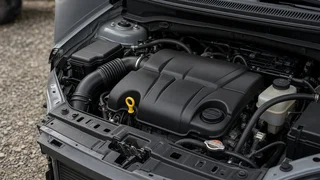
The market segment’s appeal comes from predictable operating costs and straightforward mechanical layout. A transverse engine placed over the driven front wheels shortens the drivetrain path, which reduces parasitic loss and helps package the cabin efficiently in a small footprint. This powertrain layout also places most routine service items within easy reach under the hood, simplifying inspection of belts, fluid reservoirs, and air-filter access. Because compact cars serve so many first and second owners, condition history and evidence of consistent upkeep should influence a purchase decision more than trim badges or a low odometer reading alone. A clean example with documented maintenance often represents the more sensible value in this segment.