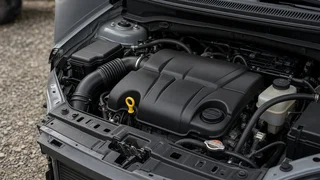
Mitsubishi CDI cars
The term "Mitsubishi CDI car" typically points to a Mitsubishi vehicle equipped with a common-rail diesel injection system rather than a standalone model line. Shoppers often encounter the abbreviation while comparing used imports, engine variants, or market specifications. Understanding CDI helps clarify how fuel delivery, combustion noise, and drivability differ from older indirect-injection diesels. This overview explains the technology, the likely Mitsubishi applications, and the practical questions to ask when identifying a specific vehicle by model year, trim level, body style, or powertrain configuration.
Essential answer
Mitsubishi CDI cars are generally models fitted with a common-rail direct-injection diesel engine. The CDI label describes the high-pressure fuel system shared across several manufacturers, not a unique Mitsubishi brand name. In practice, the term appears on used-car listings, import documents, or owner discussions where a diesel-powered Mitsubishi needs to be distinguished from gasoline versions. Because Mitsubishi has used different diesel families across model generations and regions, confirming the exact engine code and market specification matters more than relying on the CDI wording alone.
The subject scope also changes with geography. A Mitsubishi diesel sold in Europe, Asia, or Australia may never have been offered in the same trim level or body style in the United States. A Pajero, L200, Lancer, or Delica can carry different injection systems depending on year and emissions standards. Therefore, the essential answer is that the query identifies a diesel fuel-system technology across various Mitsubishi vehicles, and any specific car must be verified by its engine designation, model year, and original market.