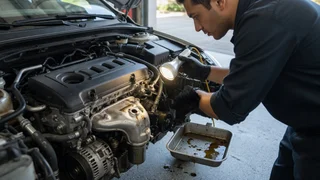
MINI R56 engine oil leak
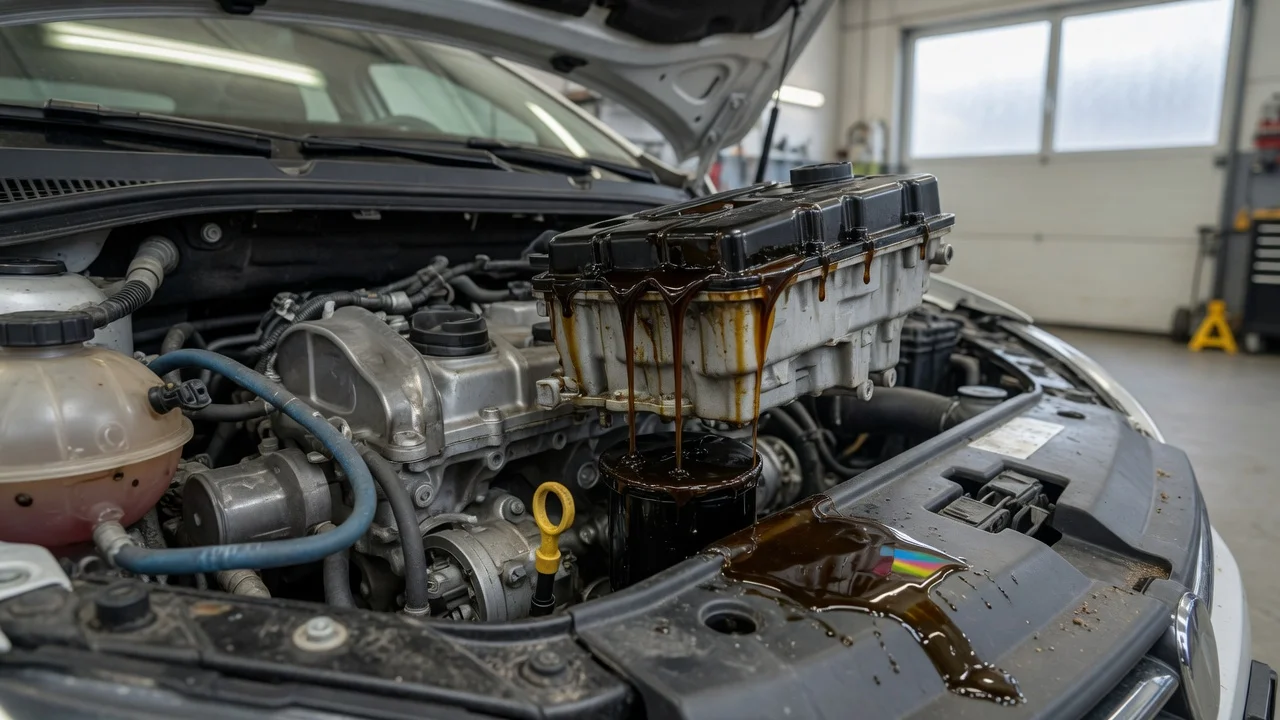
Direct answer
A MINI R56 oil leak is usually engine oil escaping from a gasket, seal, housing, or oil-feed connection rather than a cracked block. The R56 is the second-generation MINI Hatch. The same leak pattern is not universal: the likely source depends on engine family, turbo versus naturally aspirated layout, and how long the car has sat with oil on the undertray. Fresh oil at one joint is a stronger clue than a wet undertray, which often only shows where oil has dripped after it has already run along the engine.
What “R56 oil leak” actually covers
R56 refers to the Hatch body, not a single engine. Related MINI models of the same generation can share engines and leak points, but claims that apply to a turbo Cooper S do not automatically apply to a naturally aspirated Cooper or a diesel. Before treating any “common leak” list as the answer, identify the engine code from the under-bonnet label, service book, or a parts lookup for that vehicle identification number (VIN). Market and model year also change fittings such as the oil filter housing, valve cover, and crankcase ventilation parts.
Likely sources by area of the engine
Work from the wettest, highest point downward. Oil travels with gravity and airflow, so a stain on the sump, subframe, or plastic undertray is often runoff.
Valve cover (rocker cover) gasket: oil at the cam cover joint, around the cover bolts, or tracking down the back or side of the head. On many R56 petrol engines this is a frequent first leak as the cover gasket hardens or the cover distorts.
Oil filter housing and oil cooler: wetness around the housing where it meets the block or head, or around the oil-to-water heat exchanger if fitted. This is a common BMW-group leak pattern on the Prince-family petrol engines used in many R56 cars. Oil here can look like a lower-engine leak once it runs down.
Timing cover, chain tensioner, and related seals: oil at the front of the engine, often mixed with belt-drive or chain-area dirt. Front-end leaks are easy to misread because the crank pulley, ancillary belt, and undertray collect spray.
Sump (oil pan) gasket and drain plug: a wet sump flange or a drip from the drain plug after a service. A crushed washer or loose plug is a simple cause; a seeping gasket is slower and usually leaves a film around the pan joint.
Crankshaft seals: front seal oil appears at the timing or pulley end; a rear main seal appears at the gearbox bellhousing joint and may mix with clutch dust. Confirm the engine-to-gearbox split before assuming the sump is the source.
Turbocharger oil feed and return (turbo engines only): wetness on the turbo, downpipe heat shield, or the small metal or flexible oil lines. This is not a naturally aspirated-engine diagnosis.
Oil pressure switch or sender, camshaft (VANOS) solenoid seals, and vacuum-pump gasket on engines that use those parts: a local drip at the sender or solenoid, or a wet vacuum pump face, rather than a full cover or housing leak.
Crankcase ventilation: the R56 petrol engines use a crankcase ventilation system, often called the positive crankcase ventilation (PCV) or crankcase ventilation (CCV) system. A blocked or split separator, hose, or valve cover integrated vent can raise crankcase pressure and push oil out of otherwise serviceable gaskets. A leak that returns quickly after gaskets are replaced is a reason to inspect ventilation, not only the gasket that failed.
How to tell engine oil from other fluids
Engine oil is typically amber to dark brown, slick, and has a distinct oil smell. Coolant is usually brightly dyed and watery. Power-steering and automatic-transmission fluids, where fitted, are often red or amber and thinner than aged engine oil. Condensation from the air-conditioning drain is clear water. On an R56, the engine bay is compact and the undertray hides drips, so colour on a clean piece of cardboard left under the parked car, plus the dipstick level, is more reliable than a glance at a dirty tray. A falling oil level with a dry tray still needs investigation: oil can burn internally, leak onto a hot exhaust, or collect in the tray and burn off.
A practical identification sequence
Park on a clean surface after a short drive so the engine is warm but not freshly pressure-washed. Remove or lower the undertray if it is oil-soaked; a dirty tray conceals the origin. Clean the suspected area, then run the engine and recheck, or take a short drive and inspect again. Look at the valve cover joint, oil filter housing, front timing area, turbo lines if present, then the sump and bellhousing. Note whether the leak is only after shutdown (seals that weep when hot) or while running (pressure-side leaks). Photograph the wet path before wiping so the highest wet point is recorded.
Do not treat a parts-cannon replacement of every gasket as diagnosis. One wet joint plus a matching oil-level drop is enough to justify that gasket or housing; several wet joints plus misting from the cover or dipstick tube point toward crankcase pressure as well. Torque, sealant, and housing-warpage requirements are engine-specific; use the procedure for that engine code rather than a generic R56 list. Exact leak rates, gasket thicknesses, and torque figures are not given here because they vary by engine and year and should come from the workshop data for that car.
When the leak is urgent
Stop driving and check the level if the warning light is on, the dipstick is low, or oil is reaching the exhaust, belt, or clutch. Oil on a rubber accessory belt can cause slip or a thrown belt. Oil on a hot exhaust can smoke or burn. A rear main seal leak can contaminate a dry clutch. A slow seepage that does not drop the level between services is still worth tracing, because R56 engine bays hide volume until the undertray is full. If the engine, turbo, or year cannot be confirmed from the vehicle, treat the list above as a map of where to look, not as a confirmed fault for that car.
What remains vehicle-specific
Which gasket fails first, whether an oil cooler is fitted, whether the valve cover includes the ventilation assembly, and whether a turbo oil line is present all depend on engine and equipment. Diesel R56 engines have a different layout from the petrol Prince-family engines and should not be diagnosed from a Cooper S leak list. If a workshop quote names a part you cannot see from above, ask which engine code it is for and whether the quote is for the cover gasket, filter housing, cooler seals, or ventilation parts, because those jobs overlap in labour but are not the same repair.