Mini Cooper R53/R56 Wheel Offset
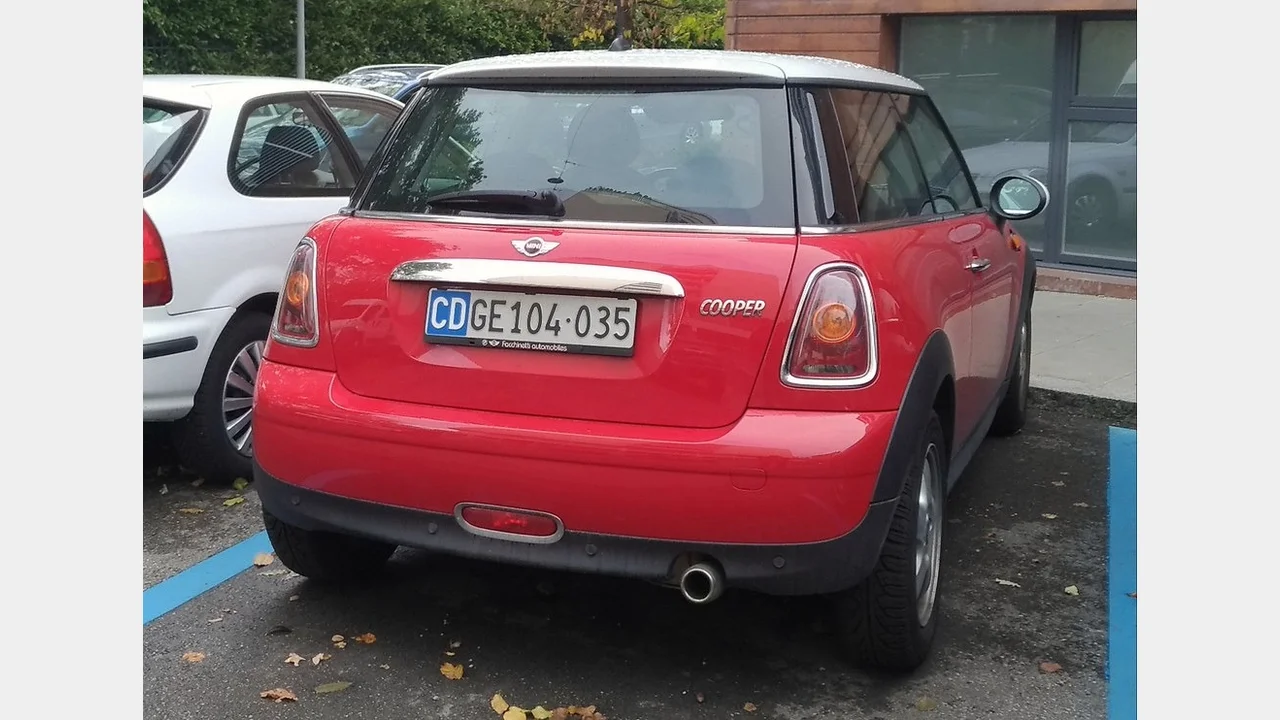
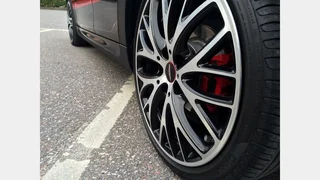
Wheel offset shapes how a Mini Cooper sits over its suspension and whether the tire package clears the arches, calipers, and inner structure. For R53 and R56 owners researching an r53 wheel offset or an r56 stock wheel offset, the measurement describes where the wheel mounting face sits relative to the rim centerline. Because these two generations use different suspension geometry and body packaging, the right number on paper does not guarantee clearance in practice. Understanding offset alongside rim width, rim diameter, bolt pattern, and tire compatibility helps prevent rub, altered steering feel, or interference before parts are ordered.
Essential answer
Offset is the distance between the wheel’s mounting surface and the true centerline of the rim barrel. When the mounting face sits toward the outside of that centerline, the wheel has positive offset; when it sits inward, the wheel has negative offset. Most front-drive Minis use positive offset because that places the tire mass closer to the suspension, reducing scrub radius and keeping the contact patch better centered under the strut. A wheel with less positive offset than stock moves the outer rim edge farther outboard, while more positive offset tucks the assembly inward.
The R53 and R56 are not interchangeable simply because both are Minis. They share close design language, but their hub faces, suspension uprights, and inner fender shapes differ enough that a wheel clearing an R53 can strike an R56 strut or liner. For someone comparing an r56 stock wheel offset to a proposed R53 fitment, the stock measurement is only one boundary. Rim width changes how far each side of the tire moves for a given offset, so a wider wheel with the same number may still contact the arch lip or inner body under compression.