Mini cooper convertible soft top

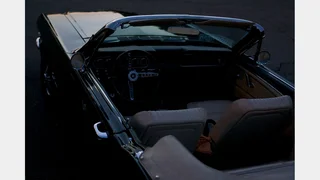
Choosing a Mini Cooper convertible soft top involves more than picking a color. The folding roof defines the car's body configuration, occupant experience, and everyday usability. Buyers and owners often ask how the top operates, what can degrade, and which items matter when comparing used or new examples. This selection organizes the relevant entries around the soft top itself, clarifying how the fabric roof, seals, frame, storage position, and surrounding trim contribute to open-air driving and long-term satisfaction without assuming every issue indicates a failed component.
Relevant entries
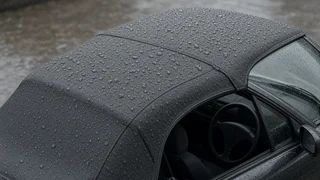
The first relevant entry is the folding fabric roof assembly. It is the central component of the convertible body configuration, distinguishing this two-door vehicle from its fixed-roof counterpart. The soft top consists of an outer textile layer, a supporting frame, tensioning elements, and a heated glass or plastic rear window depending on the generation. Its job is to maintain a taut, weather-resistant surface when raised and to fold cleanly into the storage area when lowered. A well-functioning roof should operate smoothly without binding at the hinges or excessive strain on the fabric along the side edges.
Closely related items include the rubber weather seals, drainage channels, and the rear window surround. These parts work together to keep water away from the seating layout and interior trim during rain or washing. Since a soft top is a dynamic assembly rather than a rigid panel, the seals compress, flex, and age with each cycle. Their relevance increases on higher-mileage cars, where shrinking, cracking, or misalignment can allow wind noise or moisture entry even if the fabric looks acceptable. Evaluating these supporting components is part of understanding the vehicle class and model generation rather than judging the roof in isolation.