Mercedes Sprinter EGR Valve: Symptoms and Replacement
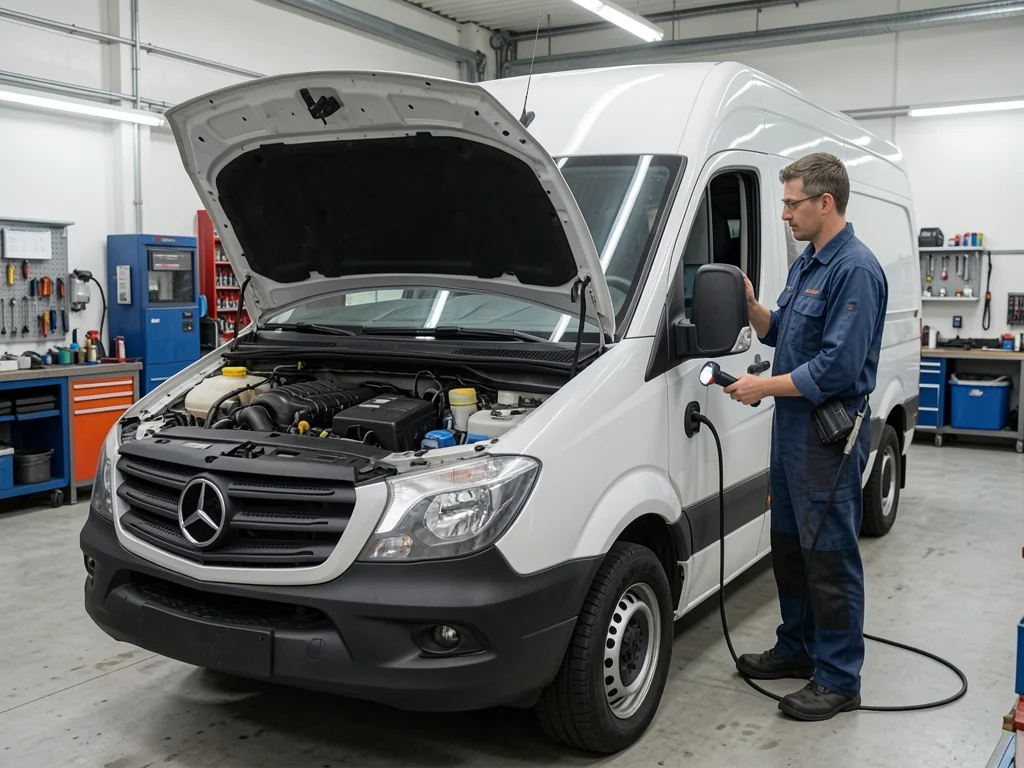
Diesel Mercedes vehicles and Sprinter vans use exhaust gas recirculation to lower combustion temperatures and reduce nitrogen oxide emissions. When this system clogs or an EGR valve for Mercedes falters, owners may notice rough idling, power loss, and a check-engine light. Understanding EGR symptoms and replacement steps helps Sprinter owners avoid unnecessary repairs and address real faults.
Identify the Mercedes Diesel Engine and Its EGR System
Exhaust gas recirculation routes a measured amount of exhaust back into the intake manifold, reducing oxygen concentration and peak combustion temperatures. This lowers formation of nitrogen oxides, which are regulated pollutants in diesel engines. When the EGR system works correctly, the engine still produces adequate power because the recirculated gases are precisely controlled by the engine control module. On a Sprinter, the EGR valve, cooler, and associated pipes must all function together; soot deposits can gradually restrict these passages, altering the commanded valve position and triggering diagnostic trouble codes.
Before locating or servicing any component, the owner or technician should confirm the van’s model year, engine type, and market, then use the VIN to verify the exact configuration. Mercedes and Sprinter diesel EGR layouts differ significantly across generations and emissions standards; a valve from one engine family will not necessarily fit or behave like another. Broad searches such as egr valve mercedes sprinter may return parts from unrelated passenger cars, so VIN-based parts identification remains essential. This prevents ordering incorrect hardware and ensures that diagnostic expectations match the actual emissions system design.
Symptoms That Can Prompt a Sprinter EGR Inspection
A faulty or restricted EGR system can produce several warning signs, but none of them alone proves valve failure. Drivers might see an illuminated check-engine light, uneven idle, hesitation during acceleration, or reduced engine power. These symptoms occur because abnormal exhaust gas recirculation affects air-fuel mixture and combustion stability. However, intake leaks, turbocharger issues, fuel delivery problems, and other emissions components can mimic the same behavior. Recording whether the concern appears only during cold starts, warm operation, or under load helps a technician reproduce the fault and narrow the diagnosis.
The exact symptom pattern matters. For instance, a valve that sticks open when cold may cause rough idle and stalling shortly after startup, while one that fails to open fully can increase NOx without a noticeable drivability change. If the Sprinter overheats, stalls repeatedly, or cannot maintain safe road speed, the driver should pull over safely and arrange professional assistance rather than continue driving. Continuing to operate with a severe EGR or related fault can damage other components or create a traffic hazard, so prompt inspection is warranted.
Confirm the Fault Before Authorizing EGR Work
Before any parts are replaced, the first step is preserving fault codes and freeze-frame data. Do not clear warnings or disconnect the battery, because that can erase valuable evidence needed for diagnosis. Each code’s definition must be checked for the specific Mercedes engine, as manufacturer-dependent codes vary in meaning. A code that references EGR flow or the EGR actuator does not automatically mean the valve itself has failed. It may point to a clogged cooler, damaged wiring, a faulty sensor, or a control module issue.
Professional confirmation involves observing commanded and actual EGR operation through a scan tool while comparing feedback and related airflow data. A technician may command the valve to open and close and watch for expected response, check wiring continuity and voltages, and inspect connecting passages for excessive soot deposits. No universal test values apply across all Sprinter engines, so the applicable service information must guide each step. This evidence-based approach separates a genuine EGR valve defect from a wiring or flow problem and prevents unnecessary replacement.
When EGR Cleaning May Be Appropriate
Soot and carbon deposits are common in diesel EGR systems, but their presence alone does not establish that cleaning will fix a fault. Deposits can restrict valve movement or reduce flow, yet the same visual buildup may be harmless if the valve still reaches its commanded position. Cleaning may be appropriate only when service information supports it and the component design allows accessible deposit removal without damage. Even then, cleaning cannot repair a failed actuator, damaged internal electronics, or physical wear in the valve mechanism.
Owners should avoid applying chemical cleaners or disassembling the EGR system without approved procedures. Inaccessible deposits inside the cooler or deep passages often require professional equipment and may not be fully removable. If a cleaned valve shows the same symptoms shortly afterward, the underlying cause, such as a control fault or a cracked cooler, remains unresolved. Recurring EGR codes after cleaning generally indicate the need for further diagnosis rather than repeated chemical treatments, so professional assessment becomes the most reliable next step.
What Confirmed EGR Valve Replacement Involves
Confirmed replacement should follow clear evidence of a valve defect or a service determination that cleaning is unsuitable. A workshop might identify a seized actuator, failed position sensor, or internal leakage that cannot be corrected by cleaning. Before ordering, the replacement part must be verified against the VIN and engine code, along with any required gaskets, seals, or mounting hardware. Using the wrong valve can create fitment problems and fail to resolve the original symptom, so this verification is not optional.
The replacement process typically begins with gaining access to the valve, which may require removing intake components or covers. The technician removes the confirmed faulty component, installs the new valve with new seals, restores all electrical and vacuum connections, and checks for leaks. Depending on the application, EGR system adaptation or electronic setup may be required using a compatible scan tool. If the valve is liquid-cooled, coolant handling and bleeding procedures must follow the service information to avoid air pockets or overheating.
Review the Estimate and Verify the Repair
A written estimate should separate the diagnostic fee, the valve itself, labor time, gaskets or seals, any required coolant, and setup or adaptation charges. Owners can ask the workshop to explain what evidence supports additional work on the EGR cooler, connecting passages, or wiring. If the estimate includes parts beyond the valve, the technician should be able to show how those items relate to the confirmed fault or are necessary for a reliable repair.
After replacement, repair verification should go beyond a simple test drive. The workshop should perform appropriate operating checks, rescan for fault codes, and confirm that the original symptoms no longer reproduce under similar conditions. Retaining the diagnostic findings and repair records is helpful for future service and for understanding the van’s history. While a new EGR valve often restores proper operation, no repair can promise that future soot or component wear will not occur.