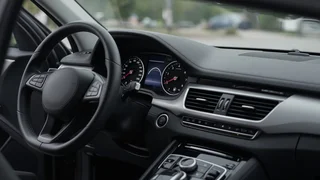
Mercedes small car models
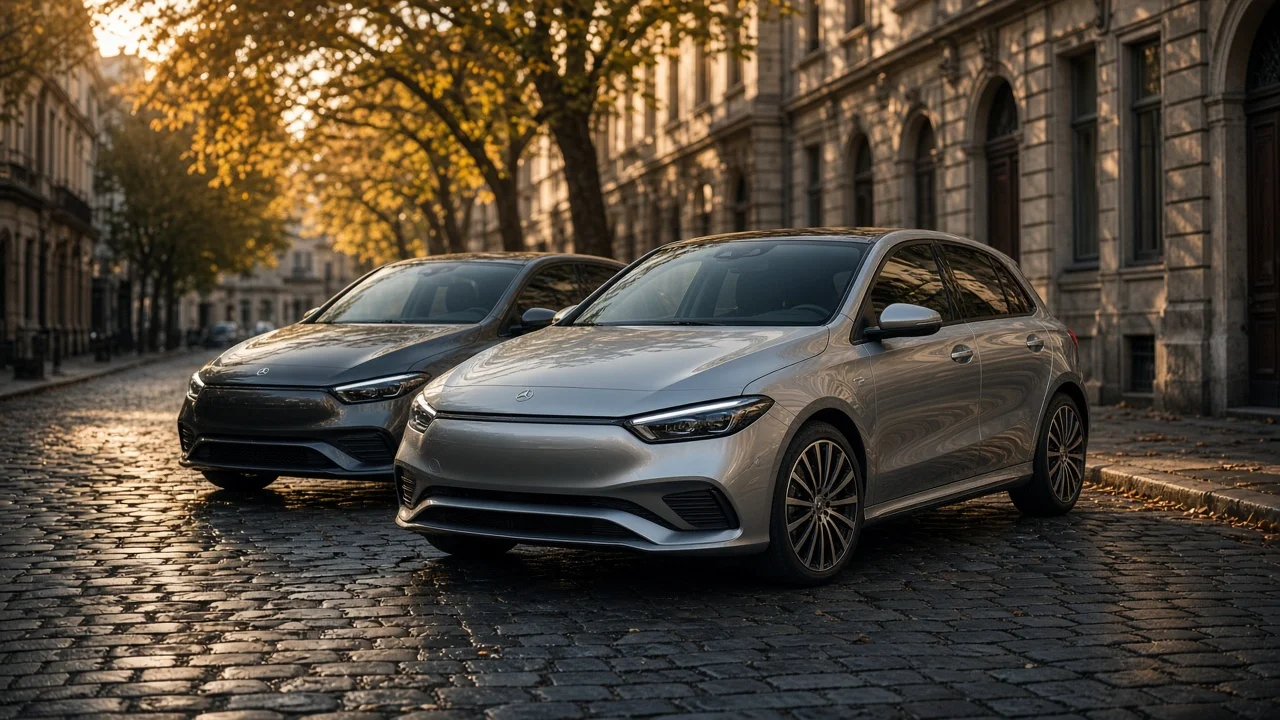
Finding the right Mercedes small car models means looking beyond overall length to see how a compact footprint, body style, and powertrain variant shape everyday usability. Shoppers often use the term to cover a range of entry-luxury vehicles that prioritize agile handling, easier urban parking, and efficient performance. Because naming and market specification can change across model generations, it helps to distinguish between hatchback, sedan, and crossover shapes when comparing a used car with a current showroom vehicle.
Essential answer
The essential answer is that Mercedes-Benz offers several compact models spanning different body styles rather than one fixed definition of a small car. Over recent model generations, the lineup has included the A-Class as a hatchback and later as a sedan, the B-Class as a taller multi-purpose vehicle in some markets, and the CLA as a coupe-like four-door. The GLA and GLB apply similar compact engineering to crossover shapes, giving buyers a choice between a lower seating position and elevated ground clearance.
A model year and trim level can shift the character of the same nameplate more than size alone would suggest. A front-wheel-drive A-Class with a base engine may feel like a nimble commuter, while an AMG-badged variant uses a more powerful powertrain and firmer suspension to create a performance-focused experience. Market specification also matters, because not every compact body style sold globally has appeared in US showrooms, so a used import may differ from the American-market model a buyer expects to see.