Mercedes OM651 timing chain
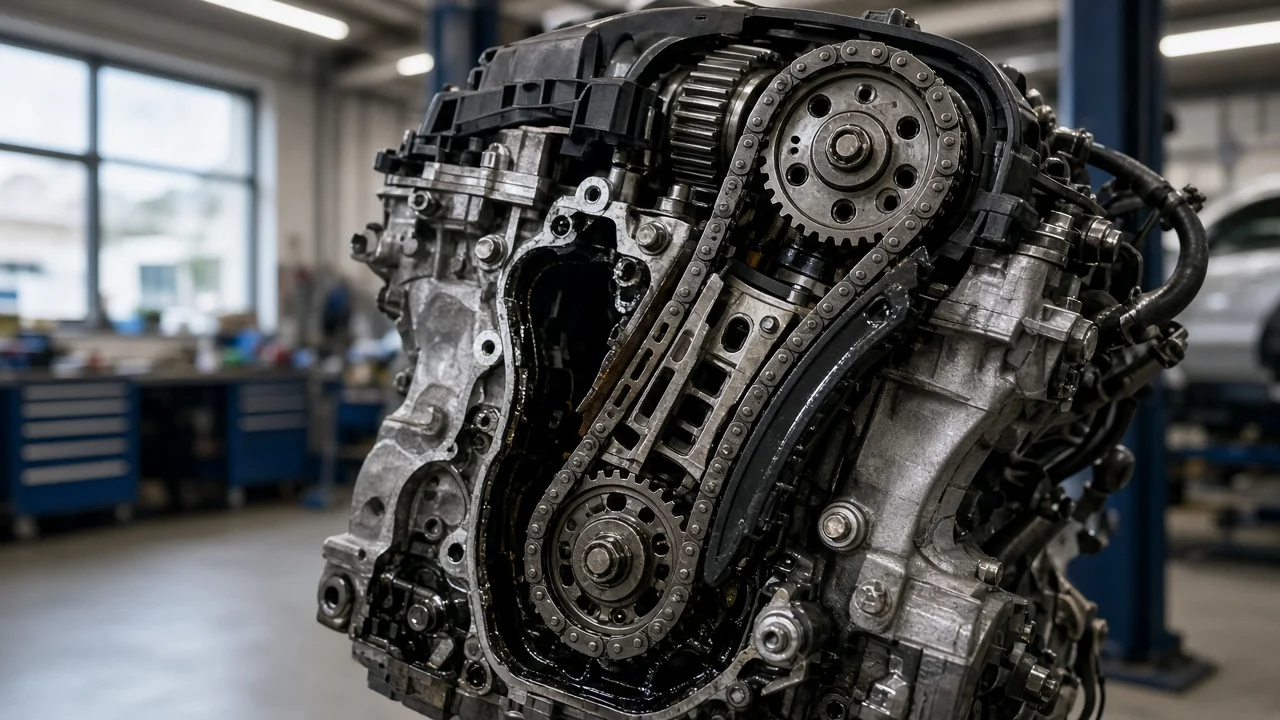
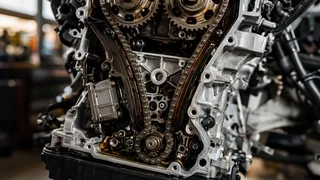
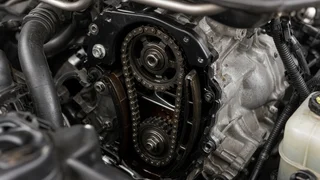
The Mercedes OM651 engine family places its timing chain at the back of the power unit, near the transmission, which changes how wear and rattle symptoms are noticed and diagnosed. Because the chain drives the camshafts and may also run the oil pump, stretch or guide wear can alter valve timing and oil delivery. Owners researching an om651 engine timing chain usually want to separate a faint cold-start tick from a serious metallic rattle that points to chain slack. Reading the problem means considering noise conditions, engine configuration, and service history before deciding whether an inspection is justified.
Essential answer
The essential answer is that an OM651 timing chain is a wear-sensitive component whose condition cannot be judged from a single noise alone. A cold-start rattle that fades quickly may be hydraulic tensioner bleed-down or brief chain slack during oil pressure build-up. A persistent rattle at hot idle, especially from the rear of the engine, is more concerning because it can indicate guide damage, a weakening tensioner, or a chain that has stretched beyond the manufacturer specifications. Symptom conditions matter more than the simple presence of noise.
Diagnostic codes rarely confirm chain wear directly. They often appear later as camshaft-to-crankshaft correlation faults, fuel trim complaints, or oil pressure warnings. A stored DTC is evidence to interpret, not proof that the chain has failed. Inspection through the available opening or removal of a cover may reveal guide debris, excessive slack, or a tensioner near the end of its travel. Service history also helps because missed oil changes and long drain intervals can accelerate pin and guide wear in this engine configuration.