McIntosh Car Audio Amplifiers

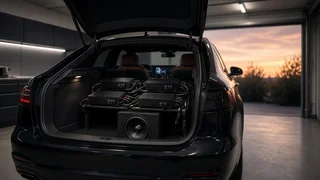
Choosing a McIntosh car audio amplifier means balancing the brand’s long-standing audio reputation against the practical realities of vehicle integration. A McIntosh car audio amplifier is typically considered a statement component, but that status alone does not guarantee the right result in every installation. The available signal from the head unit, the condition of the speaker wiring, and the quality of the audio source all shape what the amplifier can actually deliver. This guide explains what to evaluate before purchase so the component matches the vehicle’s electrical system, mounting space, and listening goals.
The direct answer
The direct answer is that a McIntosh car audio amplifier may be a worthwhile purchase when the rest of the audio chain can support it, but it is not a universal upgrade by itself. The amplifier can only amplify the signal it receives. If the head unit produces a weak or noisy output, or if the speaker wiring is damaged or undersized, the result may still be disappointing. The condition that materially changes the recommendation is installation quality: a well-matched source, clean signal path, and appropriate vehicle integration matter more than the badge alone.
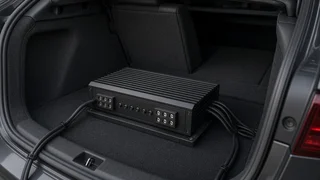
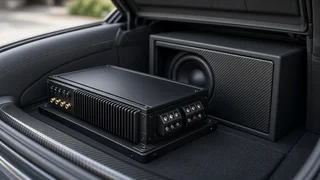
Before buying, confirm that the vehicle’s charging system and available mounting location can accommodate the component’s physical size and current draw. Also consider whether the existing audio source and speaker wiring are in good enough condition to preserve the amplifier’s potential. Without supplied model-specific specifications, treat any exact power rating, price, or compatibility claim as unverified. The sensible next step is to compare the amplifier’s general input requirements and dimensions against the vehicle, then have the installation evaluated by someone who can inspect the specific car.