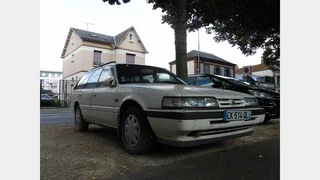
Mazda small car
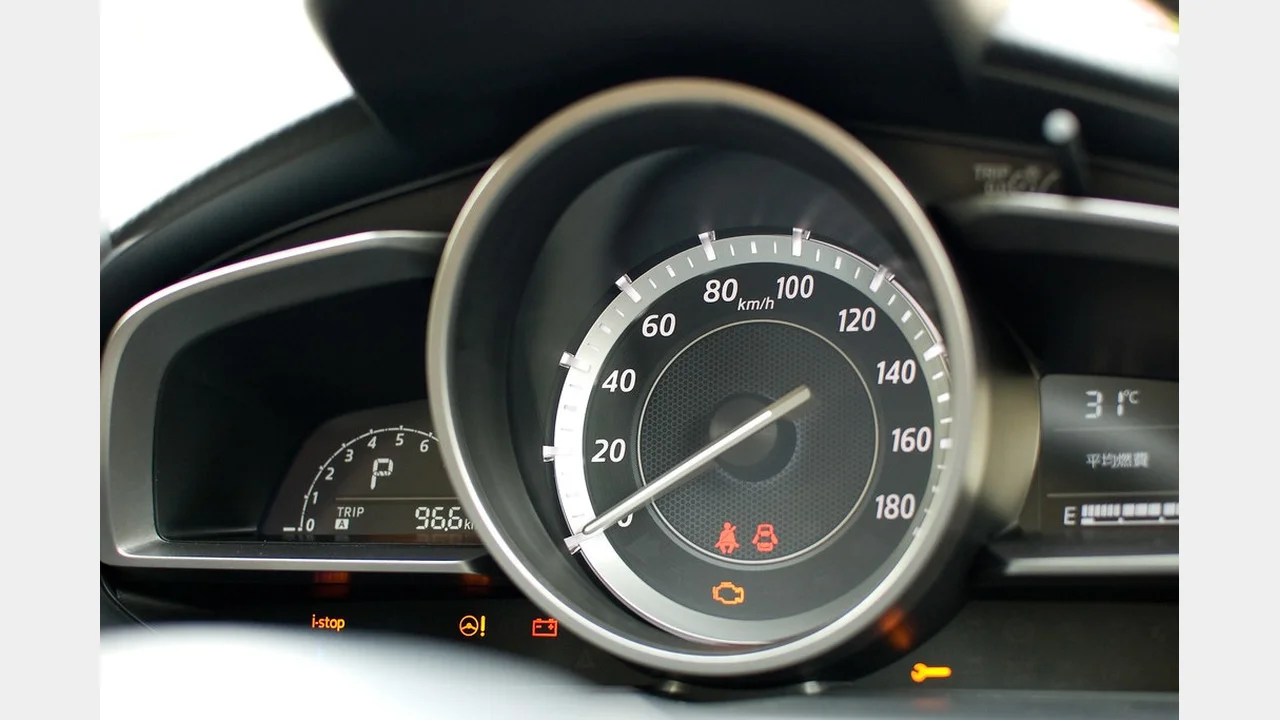
Shoppers evaluating the Mazda 2 are usually asking whether this compact hatchback succeeds as a small car with real driving character. The nameplate has appeared in different global forms, but its core identity is a lightweight, city-friendly package that prioritizes tidy handling and efficient operation. Because regional availability and specification have shifted over time, the answer depends partly on the market and model year being considered. A well-maintained example can feel nimble and easy to place on narrow streets, while a neglected one may trade that charm for noise and wear.
Essential answer
The Mazda 2 is a subcompact car that has generally been sold as a front-wheel-drive hatchback, though some markets have also received a sedan body configuration. In the United States, its availability has not been consistent across every model year, so buyers often encounter it as a used import or a prior-generation Toyota derivative depending on the period. The essential answer is that it exists as a small, economical platform rather than a family hauler or a performance machine. Its value comes from reducing mass and exterior footprint while keeping steering and suspension responses direct enough to feel engaging.
Whether the Mazda 2 qualifies as a good car depends on the intended use. For one or two occupants commuting in urban traffic, the tight turning circle, modest powertrain options, and predictable clutch or automatic behavior make it practical. The interior is usually simple rather than plush, with equipment levels shaping whether buyers get conveniences like automatic climate control or upgraded audio. It is not the quietest highway cruiser in its market segment, nor does it offer the cargo volume of a larger wagon. Still, its reputation rests on being a coherent small car that performs daily driving tasks without pretending to be something larger.